Table of Contents
Many houseplant problems come down to everyday care mistakes.
Too much water, too little light, the wrong potting mix, and even choosing a plant that doesn’t fit your home can all make it harder for your plants to thrive.
Here are eight common mistakes to avoid if you want healthier houseplants.
1. Overwatering Your Plants
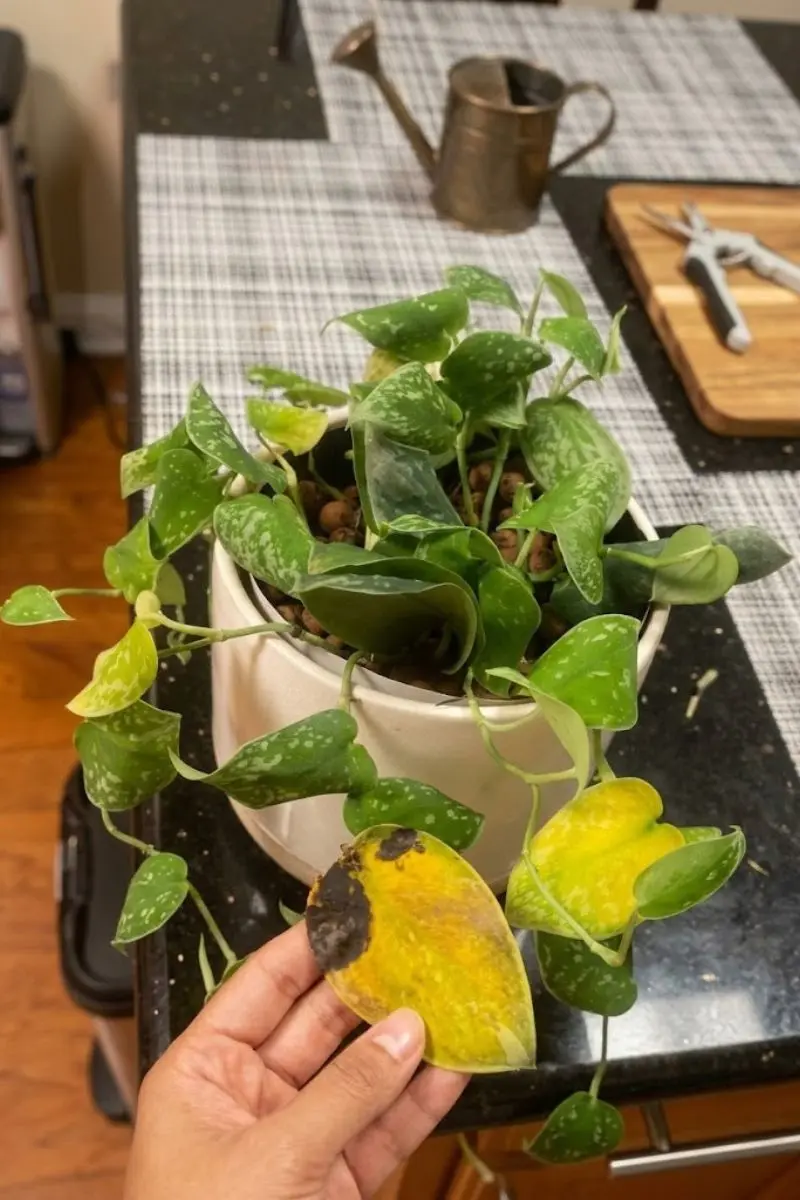
Overwatering is one of the most common houseplant care mistakes. It’s easy to give a plant extra water when you’re trying to help it, but many houseplants need less water than you might expect.
Keeping the potting mix too wet can create problems for the roots and contribute to plant decline.
Check the potting mix before watering instead of watering just because it’s watering day. The right amount of drying depends on the plant, and lower light levels can slow growth and increase the risk of overwatering if the soil stays wet longer than usual.
A watering schedule can still help, but use it as a reminder to check the soil, not as a rule to water no matter what.
2. Giving a Plant the Wrong Amount of Light
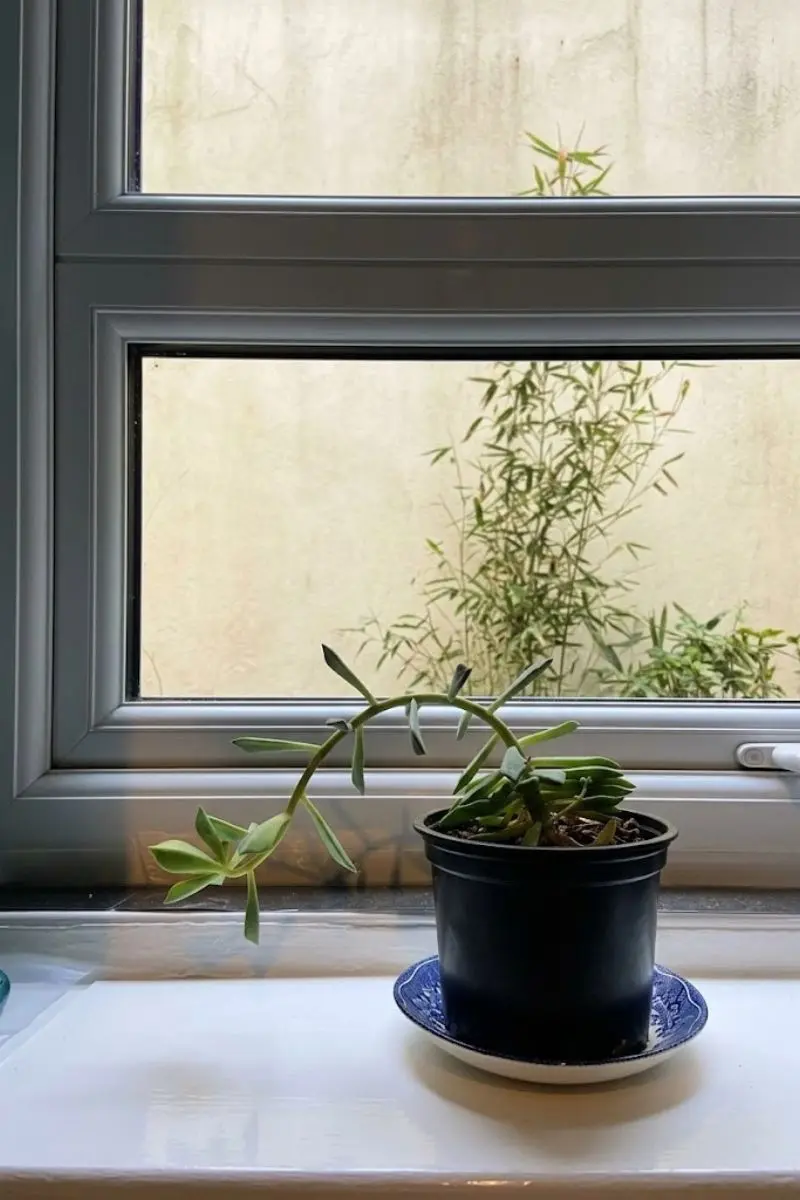
A plant can’t thrive if the light in its spot doesn’t match what it needs. Too little light can slow growth and cause plants to become leggy, while too much direct sunlight can be unsuitable for plants that prefer lower-light conditions.
Think about the light available in a particular spot before choosing a plant for it. Window direction can help you understand the conditions, but distance from the window and anything blocking the light also matter.
If a plant isn’t getting enough light, try moving it to a brighter spot that suits its needs. In particularly dim spaces, supplemental lighting may also provide the extra light some plants need.
3. Fertilizing Too Much
More fertilizer doesn’t necessarily mean more growth. Many fertilizers contain salts that can damage roots when applied excessively, and plants growing slowly indoors generally don’t need as many nutrients as actively growing plants.
It’s easy to overlook this when growth slows during darker months. Plants growing in low light generally need less fertilizer because they’re growing more slowly.
Follow the directions on your fertilizer label and consider how actively your plant is growing before feeding it. Plants that keep growing under bright windows or grow lights may still need some feeding.
4. Exposing Plants to Drafts and Dry Air
Light isn’t the only thing to consider when choosing a spot for a houseplant. Drafty windows and doors, fireplaces, heating units, and vents can expose plants to temperature fluctuations or excessively dry air.
Plants sitting directly in the path of forced air may develop yellowing or stressed leaves, while dry indoor air can be especially hard on plants that need higher humidity.
Move plants away from direct blasts of hot or cold air and choose a location with relatively stable temperatures. If the air is still too dry, a humidifier can help plants that need higher humidity.
5. Letting a Plant Become Severely Root-Bound
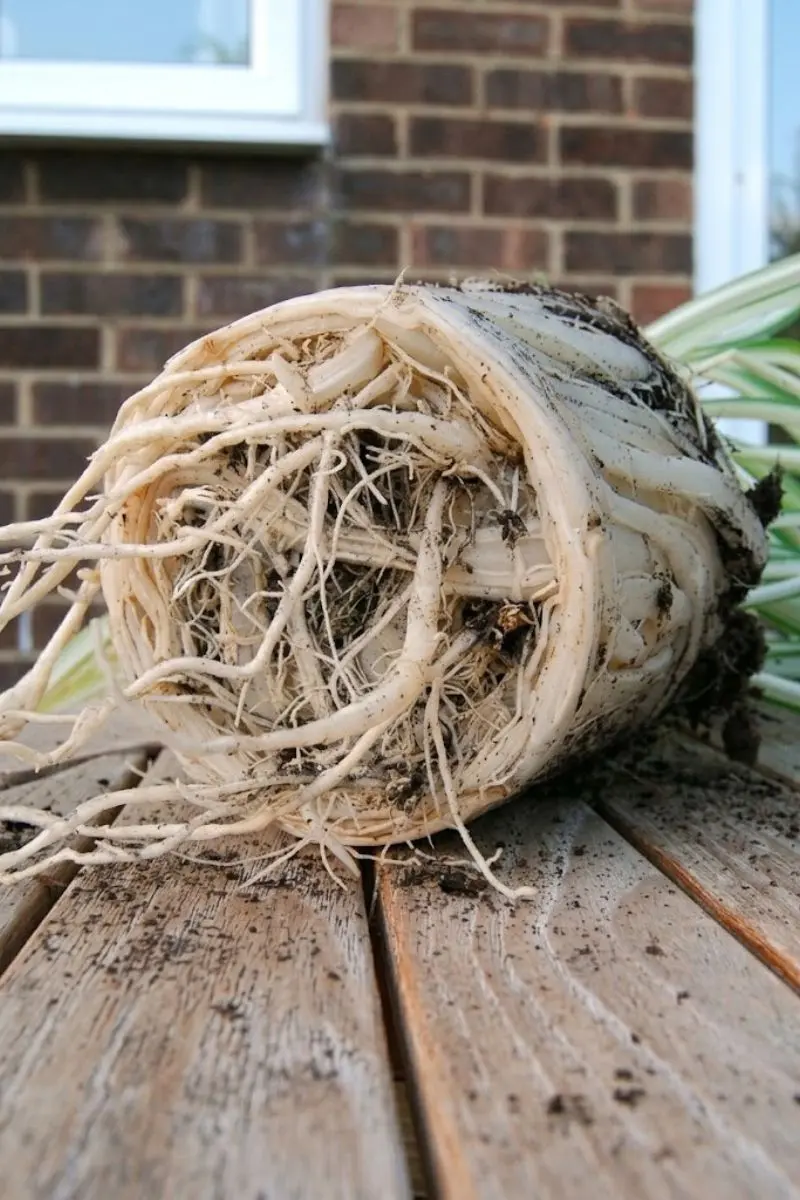
Some houseplants can tolerate being snug in their containers, but that doesn’t mean they should remain severely root-bound. When roots fill most of the container, there may be very little potting mix left to hold water and nutrients.
Don’t repot a plant simply because you spot a few roots. You’re looking for a heavily crowded root ball with relatively little soil left—not just a few visible roots.
Once a plant has outgrown its container, move it into a slightly larger pot.
6. Using the Wrong Potting Mix
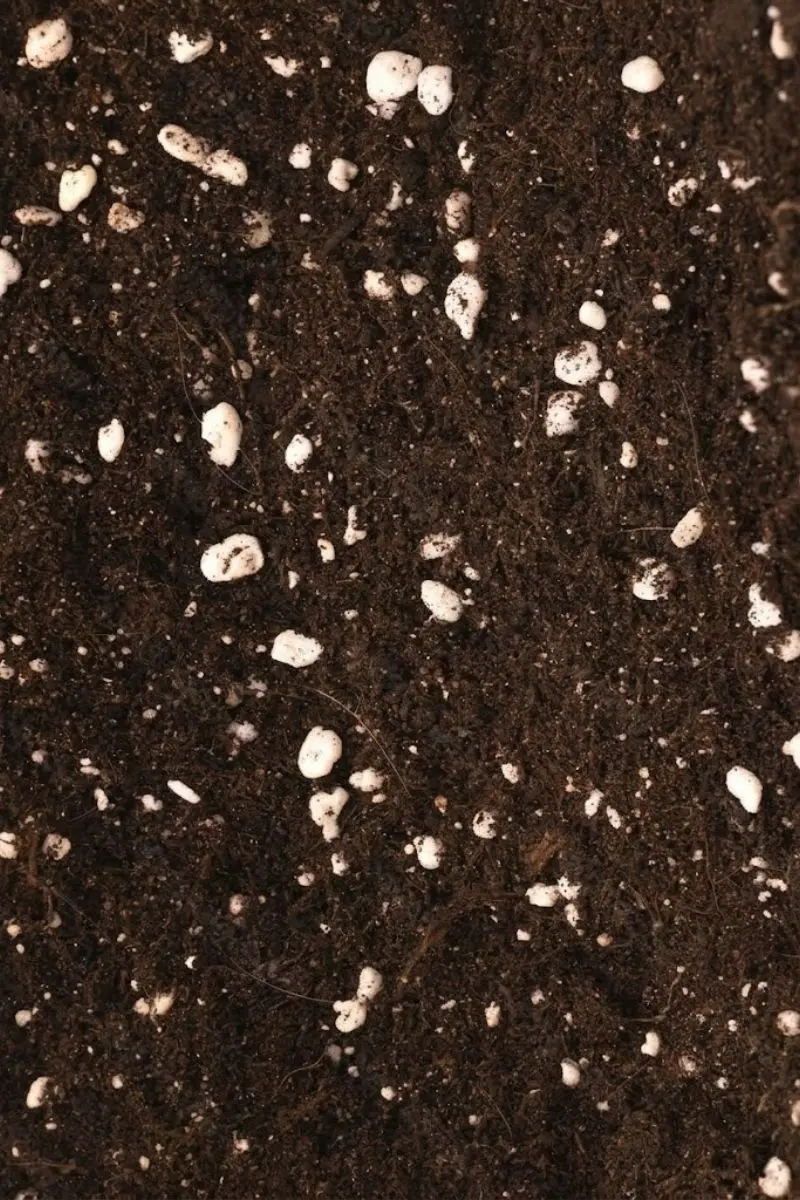
The potting mix that works well for one houseplant may not be appropriate for another. Plants have different moisture and drainage needs, and a mix that works well in a commercial greenhouse may behave differently in the conditions inside your home.
Coarse mixes containing materials such as bark and perlite can dry out more quickly because they contain more air spaces. That isn’t automatically a problem: a fast-draining mix may be useful for someone who tends to overwater or for plants with specialized media needs.
Choose a potting mix suited to the plant you’re growing and consider how quickly it dries in your home. Orchids, succulents, and other plants with specialized needs may require a mix formulated specifically for them.
7. Choosing a Plant That Doesn’t Fit Your Home or Routine
A plant can be healthy when you bring it home and still struggle if its care requirements don’t match your space or schedule. A plant that needs frequent attention isn’t necessarily a good choice if you’re looking for something relatively hands-off.
Before buying, consider the amount of light your home provides and how much time you’re realistically willing to spend caring for your plants. Choose a plant whose needs match what you can realistically provide.
The best houseplant isn’t necessarily the one you like most at the garden center.
8. Overlooking Hidden Pests
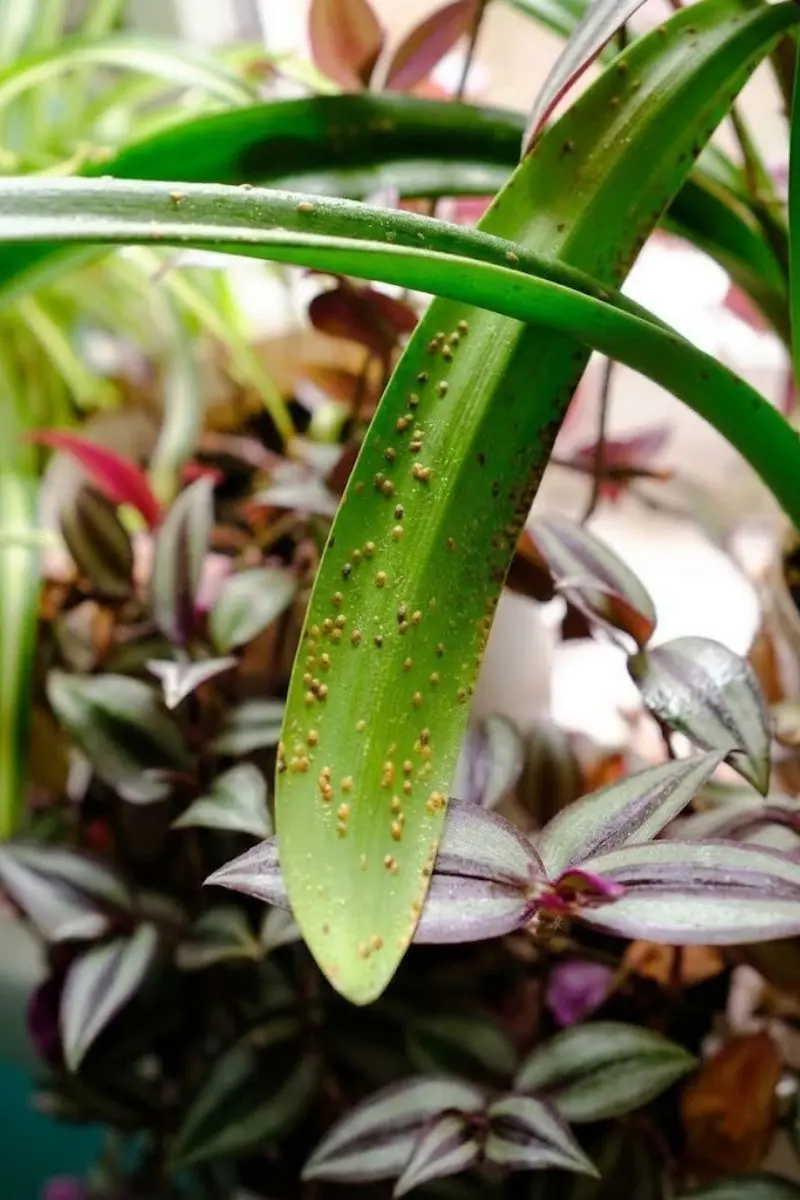
Pests can be easy to miss until a plant is already showing signs of stress. Spider mites and other pests can enter your home on newly purchased plants or plants that have spent time outdoors. Dry indoor conditions can also make some pest problems worse.
Inspect your plants regularly, paying particular attention to the undersides of leaves and other places pests can hide. Washing plant leaves can help dislodge spider mites and keep their populations lower.
When you bring home a new plant, inspect it before placing it near your existing collection. Catching pests early can make them easier to manage and help prevent them from spreading to other plants.
FAQs
How often should I water my houseplants?
There’s no single watering schedule that works for every houseplant.
Check the moisture in the potting mix and consider the plant’s specific needs. Light, temperature, and growth rate can also affect how quickly the soil dries.
Should I fertilize houseplants in winter?
It depends on the plant and its growing conditions.
Many houseplants grow more slowly when light levels are low, so they need less fertilizer. Plants that continue actively growing under bright windows or grow lights may have different needs.
How do I know when a houseplant needs repotting?
Look for substantial root crowding rather than repotting just because you see a few roots.
If roots fill most of the container and there’s little potting mix left, it’s probably time to consider a larger pot.