Table of Contents
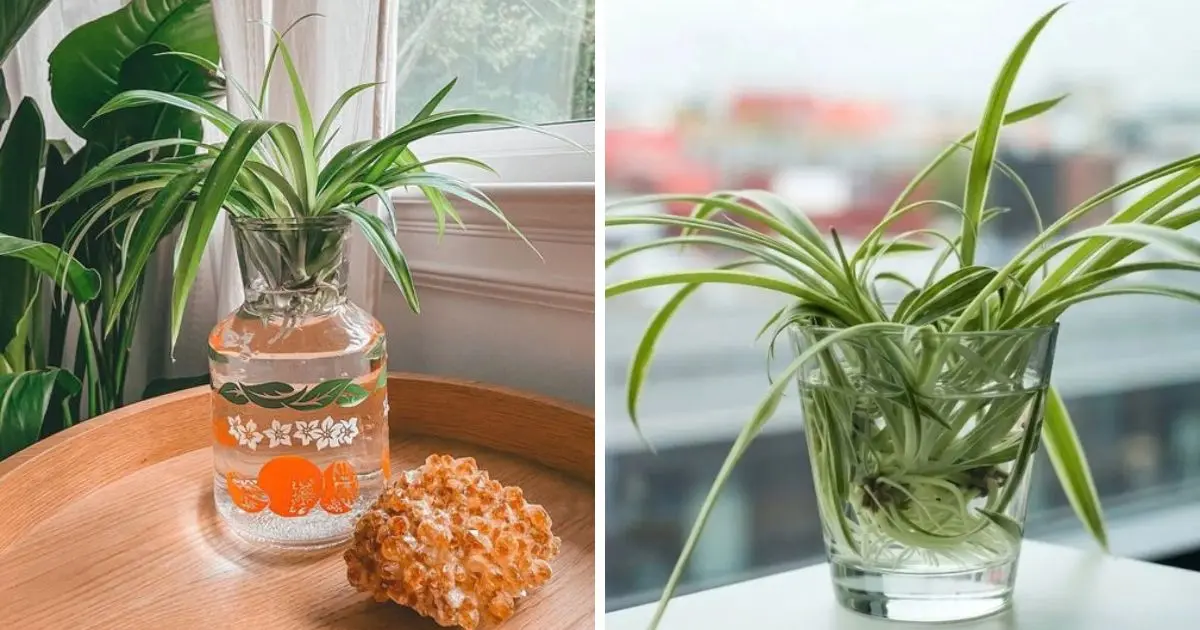
Yes, you can root a spider plant in water. It’s an easy way to propagate a spider plantlet, especially if you want to watch its roots develop before planting it in potting mix.
The important distinction is between rooting a spider plantlet in water and growing a spider plant in water long-term. Water works well as a propagation method, but once the plantlet has developed roots, moving it into potting mix is the more straightforward way to continue growing it.
Can Spider Plants Grow in Water?
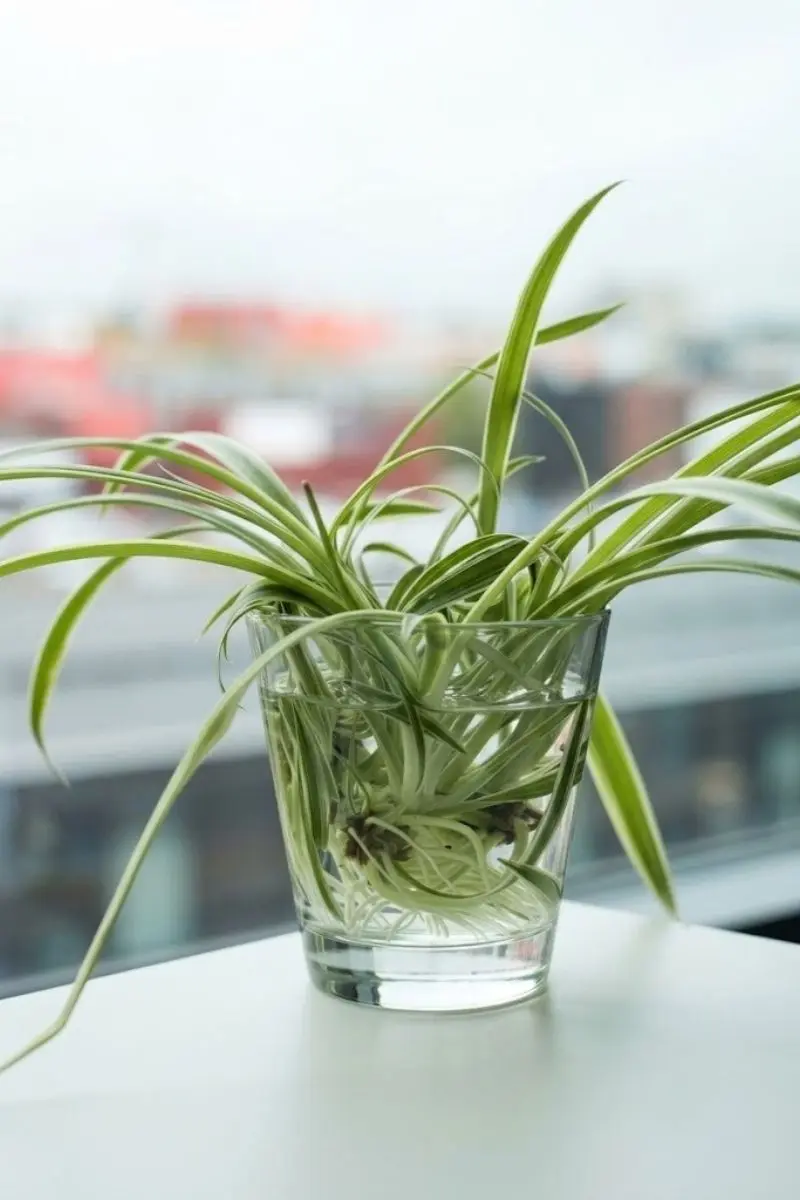
Spider plants (Chlorophytum comosum) produce baby plants, often called spiderettes or spiderlings, on long trailing stems. These plantlets can develop roots in water, so you don’t need soil to get one started.
If a spiderette already has its own roots, you can also plant it directly in moist potting mix. Water propagation is an option, not a requirement.
How to Root a Spider Plantlet in Water
Water propagation is simple and requires just a few basic supplies.
1. Detach the spiderette
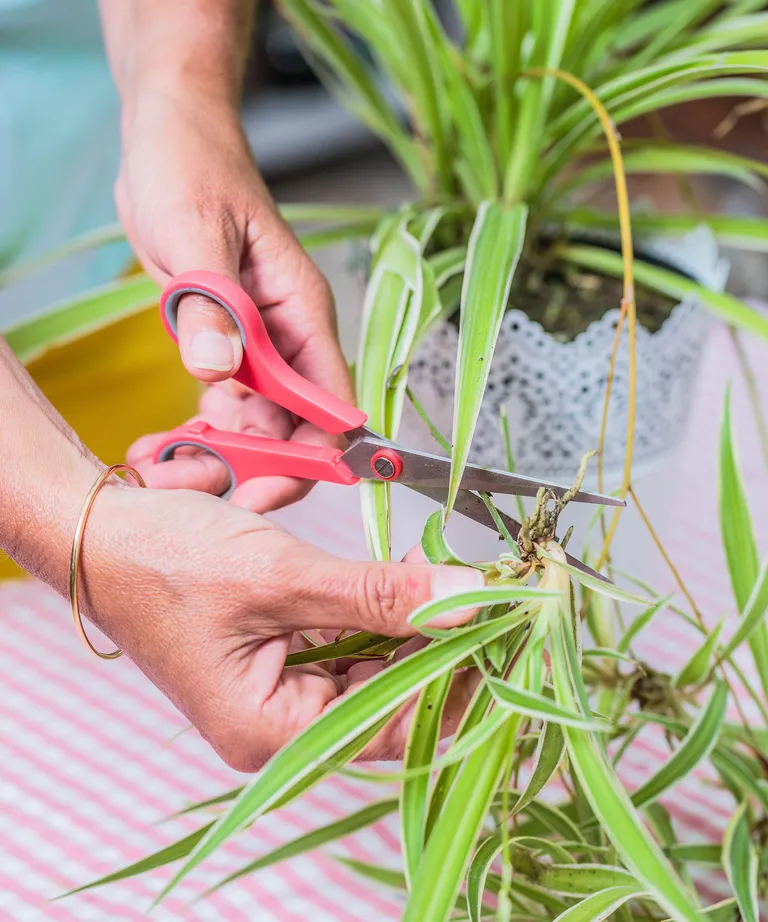
Choose a healthy, well-developed spiderette growing from the mother plant. Cut the baby plant from the stem connecting it to the mother plant.
If the spiderette already has roots, you can plant it directly in potting mix instead of rooting it in water.
2. Place the spiderette in water
Set the bottom of the spiderette in a small glass or jar of water. Keep the leaves completely above the waterline; only the bottom of the plant and any developing roots should be submerged.
3. Give it bright, indirect light
Place the container somewhere with bright, indirect light. Avoid hot, direct sunlight, which can scorch the leaves and heat the water.
4. Keep the water fresh
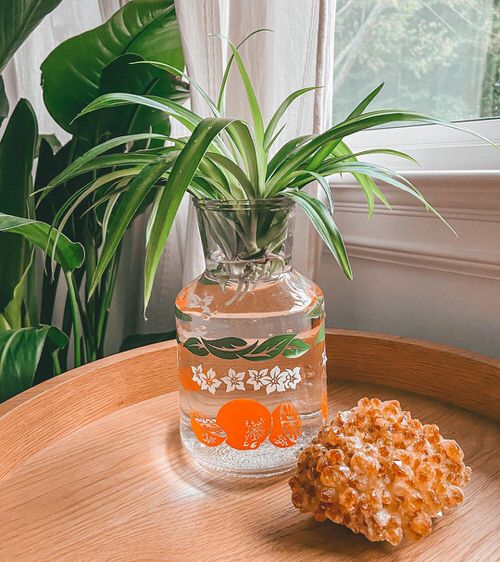
Add fresh water as needed to keep the developing roots covered. If the water becomes cloudy or develops an unpleasant smell, replace it and rinse the container.
5. Pot it up once the roots develop
Once the spiderette has developed a healthy root system, move it into a small pot with a drainage hole and well-draining houseplant potting mix.
Water the potting mix after planting, allowing excess water to drain away.
When Should You Move a Spider Plantlet From Water to Soil?
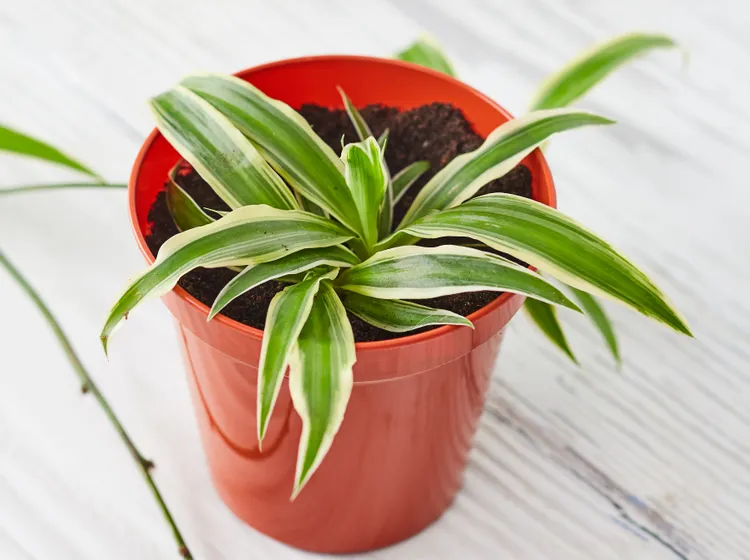
There’s no need to follow a strict number of days. Instead, look at the roots.
Once the spiderette has developed enough healthy roots to establish itself in potting mix, it’s ready to be potted. Spider plantlets can be moved from water to individual pots once their roots have developed.
Choose a pot that’s just large enough for the root system and has a drainage hole. Keep the potting mix lightly moist while the young plant gets established.
Can You Keep a Spider Plant Growing in Water?
You can keep a rooted spider plantlet in water for a while, but that’s different from using water simply to propagate it.
If you want the plantlet to develop into a full houseplant, moving it into potting mix after rooting is the simpler approach. Long-term water culture also requires more attention to nutrients and water quality than basic propagation does.
For most home gardeners, there’s little reason to leave a newly rooted spiderette in plain water indefinitely when it can be established in a pot instead.
Common Problems When Rooting Spider Plants in Water
The foliage is submerged.
Keep the leaves above the water. Only the bottom of the plant and roots should be in the water.
The water becomes cloudy or foul-smelling.
Replace the water and clean the container before refilling it.
The base starts to rot.
Check that too much of the plant isn’t underwater. Keep the bottom of the plant just deep enough to cover the developing roots.
The plant wilts after potting.
Give the newly planted spiderette time to adjust. Keep the potting mix lightly moist while it establishes, but don’t keep it soggy.
Rooting a spider plantlet in water is a simple way to turn one of those dangling babies into a new houseplant. Once the roots are established, pot it up and continue growing it in bright, indirect light.