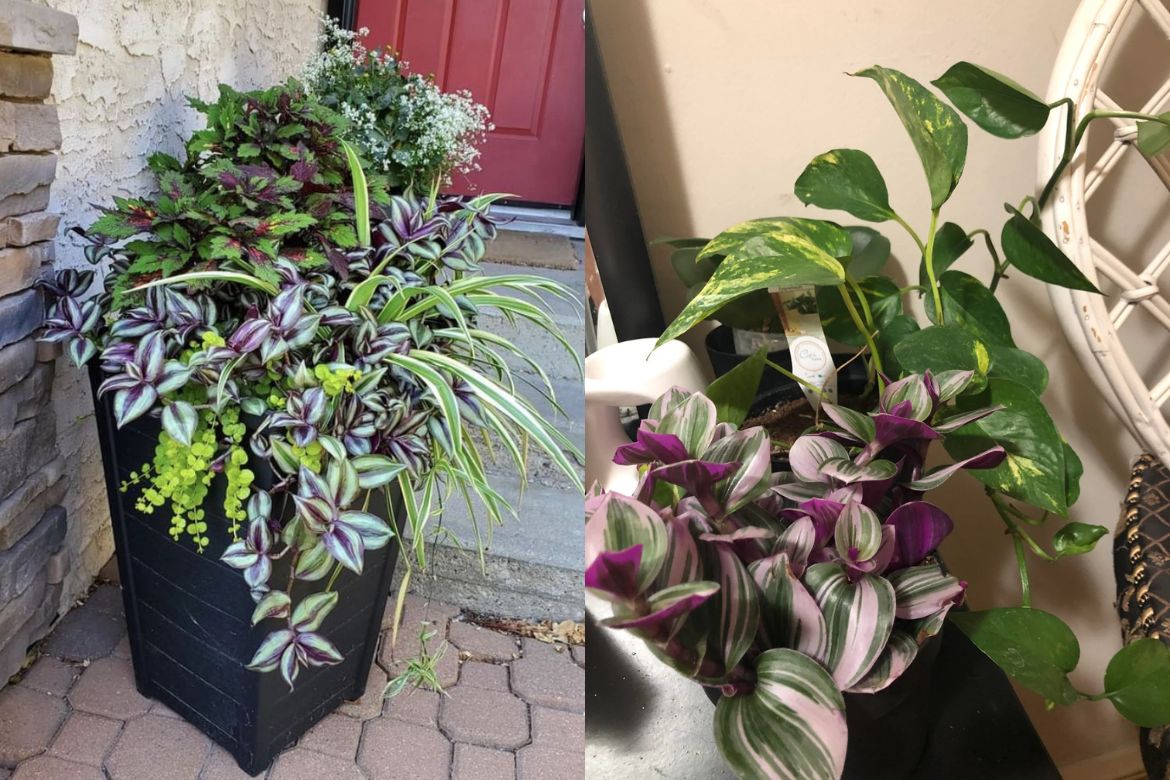
Table of Contents
Wandering Jew has a bold personality—those purple stripes, that quick growth, the way it spills over a shelf like it owns the place.
But here’s the problem: pair it with the wrong plants and things go downhill fast. One stays thirsty, one stays soggy, or they pass spider mites back and forth like a bad secret.
If you’ve ever tried mixing plants and ended up with a lopsided, stressed-out arrangement, you’re in good company. Wandering Jew simply does better when its neighbors share its pace: bright indirect light, moderate watering, and a bit of humidity love.
Choose the right companions, though, and suddenly your corner shifts from “just plants” to a styled, living display with color and texture that actually makes sense.
Below are the 10 companion plants plant stylists swear by—for care compatibility, visual chemistry, and effortless indoor harmony.
1. Spider Plant (Chlorophytum comosum)
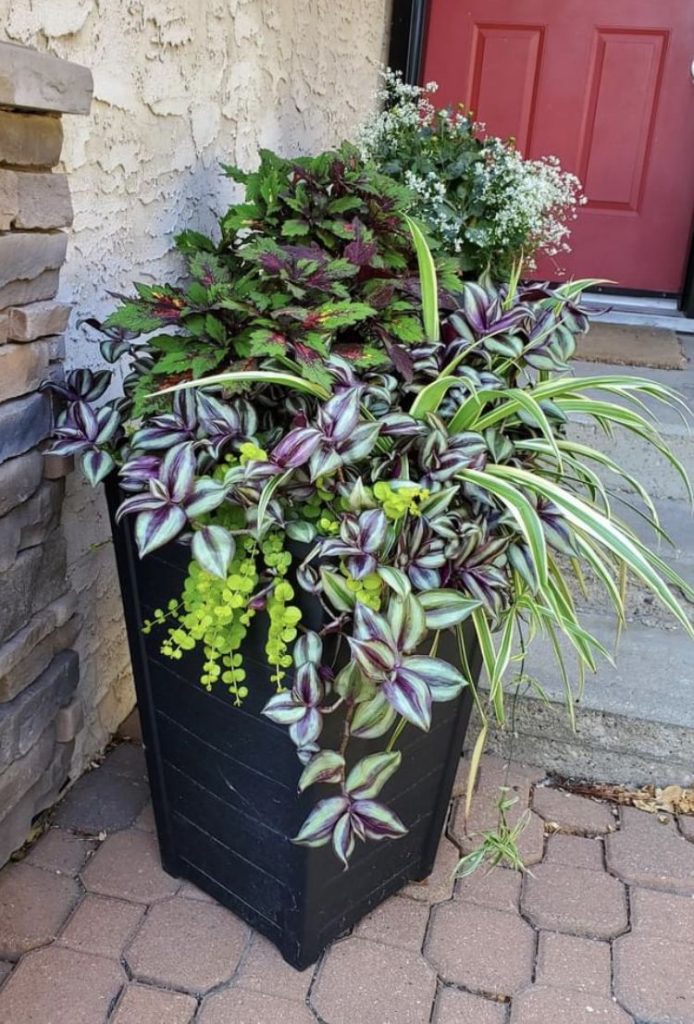
Spider plant brings a light, easy shape that balances Tradescantia’s bold stripes. One lifts up, the other spills down. The mix feels calm and natural.
Water when the top inch dries. It won’t panic if you forget a day. And the little pups add a playful touch without making the pot look crowded.
A simple, steady pairing that works in any room.
2. Golden Pothos (Epipremnum aureum)
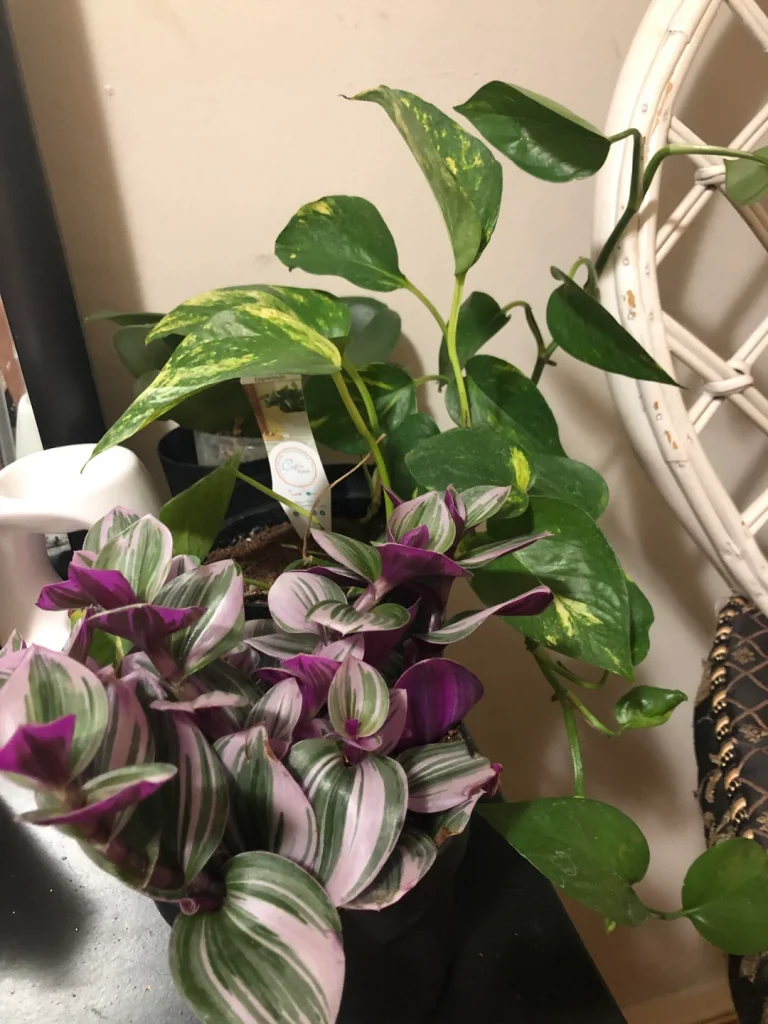
Golden pothos adds warmth. Its soft yellow streaks brighten the purple in Tradescantia, almost like turning on a warm lamp in that corner.
Both enjoy bright, indirect light and a light dry period between waterings. Let them trail together from a shelf or basket for a full, relaxed look.
⚠️ Note: Toxic to pets if chewed.
3. Heartleaf Philodendron (Philodendron hederaceum)
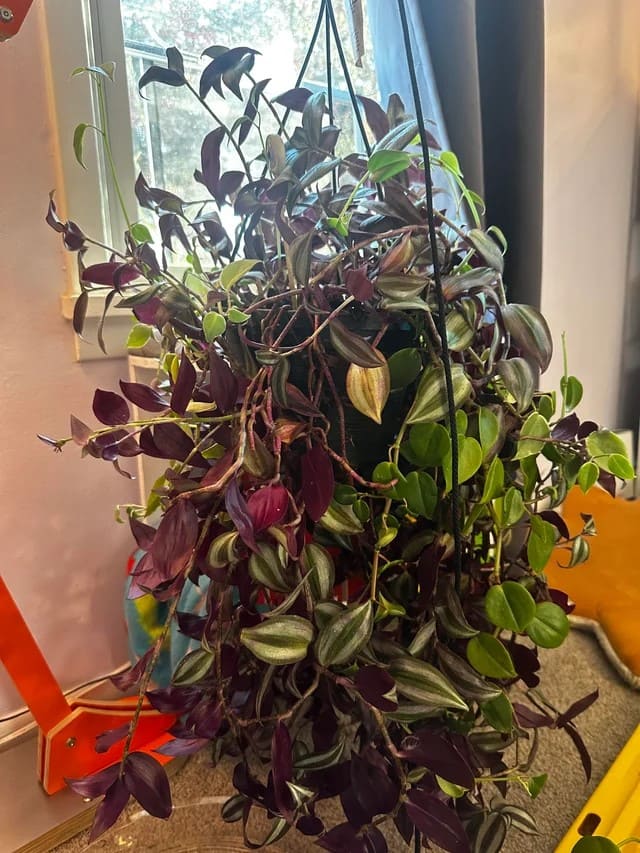
This plant brings a quiet, steady feel. The matte, heart-shaped leaves soften the stronger lines of Tradescantia and give the whole setup a gentle balance.
It grows at a calm pace and forgives small slips in watering. It keeps up without taking over, which makes it a great long-term companion.
A reliable match that suits beginners and collectors alike.
4. Syngonium (Arrowhead Plant)
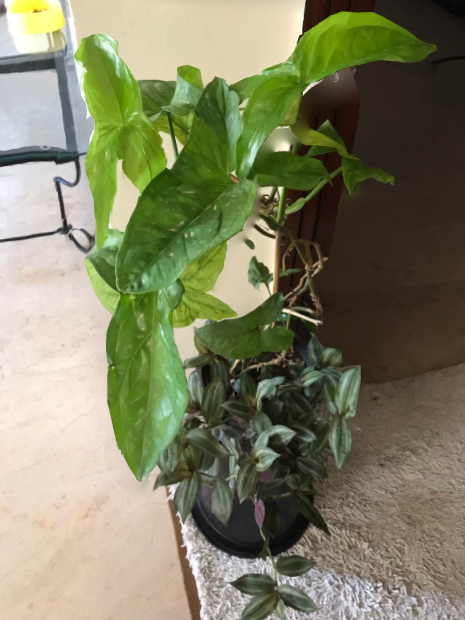
Syngonium adds shape. The pointed leaves cut through Tradescantia’s rounder vines and give the arrangement a clean, structured edge.
Bright, indirect light keeps it happy. Keep the soil slightly damp, not wet. As it grows, it shifts from upright to loosely trailing, weaving in naturally with Tradescantia.
⚠️ Note: Toxic to pets when ingested.
5. Purple Shamrock (Oxalis triangularis)
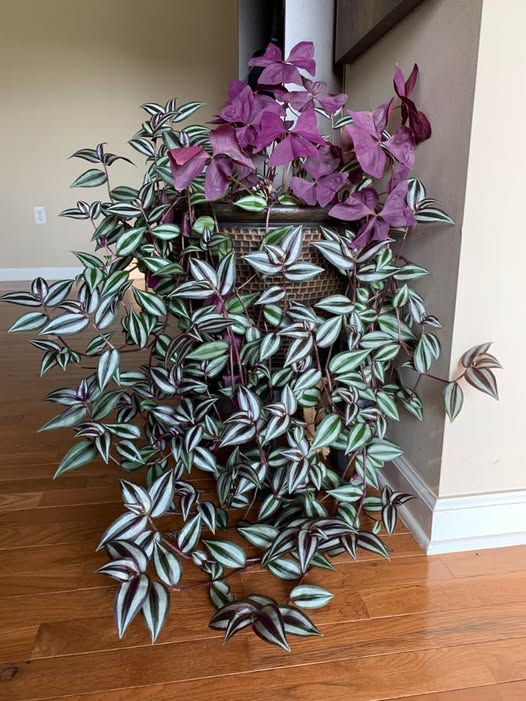
Purple shamrock brings a soft, fluttery look that pairs well with Tradescantia’s bold stripes. The two share a similar color story, but each adds its own shape and movement.
Give it bright indirect light and let the soil dry a bit between waterings. It’s low effort most of the year and pops with color even on cloudy days.
⚠️ Note: It goes dormant for a few weeks each year. That’s normal.
6. Begonia Maculata (Polka Dot Begonia)
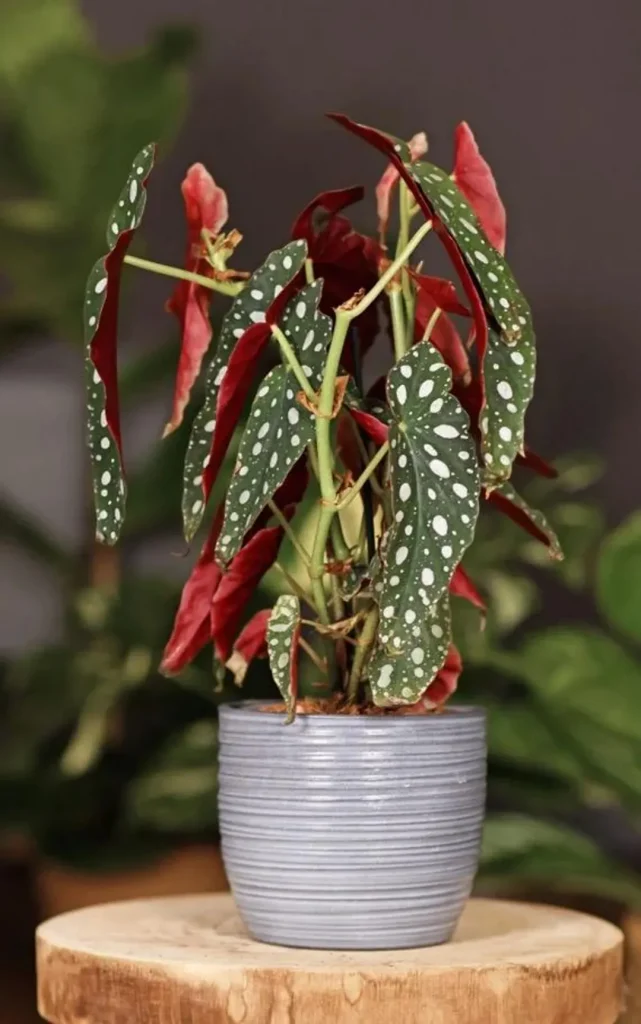
Begonia Maculata adds drama in the best way. The silver dots and winged leaves stand out next to Tradescantia’s stripes, creating a sharp, stylish contrast.
It likes bright, indirect light and steady moisture. Not soggy—just damp enough to keep the leaves crisp and healthy. It stays upright, which helps balance Tradescantia’s trailing vines.
⚠️ Note: Sensitive to cold drafts.
7. Peperomia (Watermelon / Obtusifolia Types)
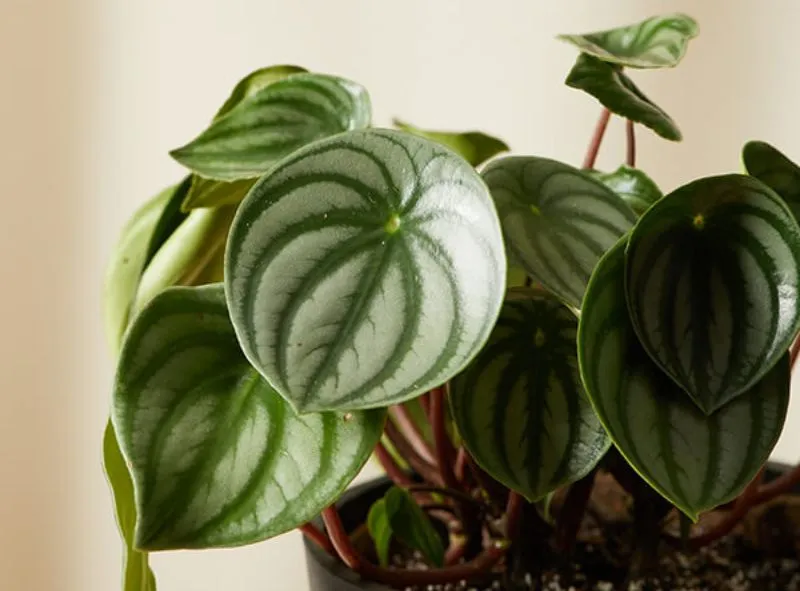
Peperomia brings thick, glossy leaves that feel solid next to Tradescantia’s soft, fast-growing vines. The textures play well together and give the pot a fuller look.
Both enjoy the same routine: bright shade, light watering, and average indoor humidity. Peperomia grows slowly, so it never competes for space or water.
A great choice if you want a clean, compact companion.
8. Monstera Adansonii (Swiss Cheese Plant)
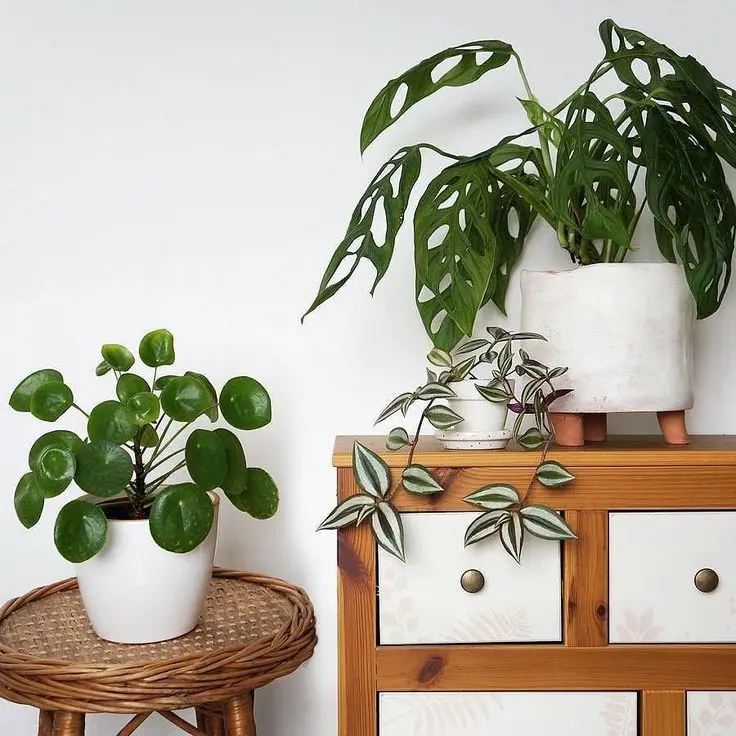
Monstera adansonii adds visual depth. The natural holes break up the greenery and make Tradescantia’s stripes stand out even more.
It enjoys bright light and soil that stays lightly moist. As it climbs or trails, it creates a loose frame around the pot that highlights Tradescantia instead of hiding it.
A good pick for anyone who wants a fun, textured mix without extra work.
9. Aglaonema (Chinese Evergreen)
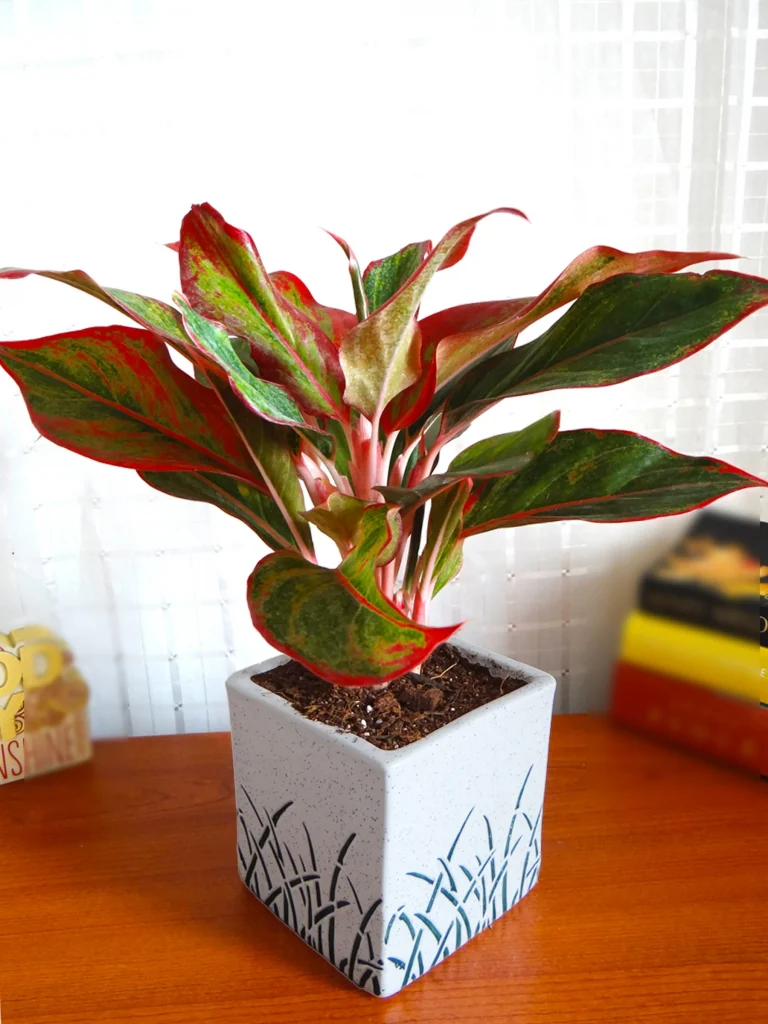
Aglaonema brings color without the stress. Its red, pink, or silver tones sit well next to Tradescantia’s purple, giving the whole setup a grounded, polished look.
It handles low to medium light and doesn’t fuss about humidity. Water when the top inch feels dry. It grows slowly but stays tidy, which helps balance Tradescantia’s fast pace.
⚠️ Note: Toxic to pets if chewed.
10. Snake Plant (Dracaena trifasciata) — Style Option
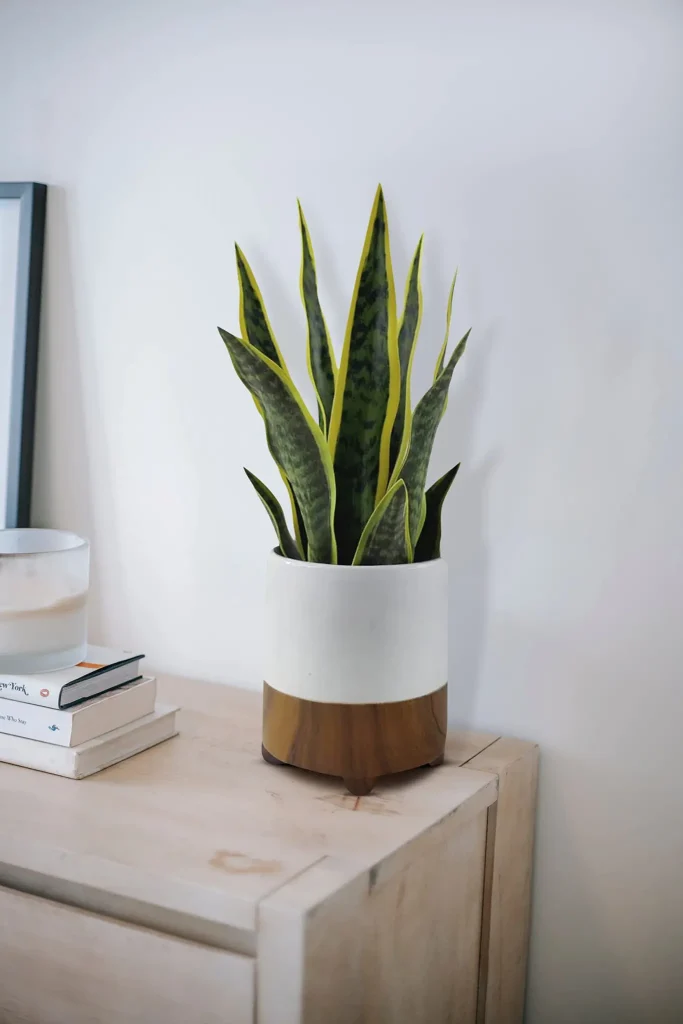
Snake plant isn’t a true care companion for Tradescantia, but it is a strong visual partner. The tall, rigid leaves create clean architectural lines that play nicely against the soft, trailing movement of Wandering Jew. When you place them close, the contrast looks deliberate and modern.
Keep the pots separate so each plant can follow its own watering rhythm. Snake plant enjoys long dry spells, while Tradescantia prefers light, steady moisture. Give each one what it needs, then let the shapes do the work.
⚠️ Note: Never plant them in the same pot — their watering routines don’t match.
⭐ Conclusion
Pairing the right plants with your Wandering Jew isn’t just about matching colors. It’s about finding plants that share the same pace—light, water, and growth. When you get that mix right, your space shifts from “a few plants on a shelf” to a small, living scene that feels intentional.
Try one or two of these companions first. See how the shapes and colors play together. Once you find a mix you like, build from there. Plants tend to tell you when the pairing works.
❓FAQ
1. Can I plant Wandering Jew in the same pot as other plants?
Yes, but only with species that share similar watering habits, like peperomia or pothos. Avoid pairing it in the same soil with snake plant or fern.
2. Why do some pairings fail even when the care needs seem similar?
Light and water matter, but growth speed and humidity tolerance make a big difference. Tradescantia grows fast, so slow growers can get overshadowed.
3. What’s the easiest beginner-friendly pairing?
Spider plant + Tradescantia. Same light, same watering rhythm, and both bounce back fast if you miss a day.