Table of Contents
If you’ve ever owned a Christmas cactus, you already know the suspense: Will it bloom this year or not?
Some seasons it surprises you with dozens of glowing blossoms. Other years, nothing—not a single bud.
Here’s the comforting truth:
A Christmas cactus isn’t unpredictable. It’s simply misunderstood.
To get those holiday blooms right on schedule, you only need to understand three things:
light, temperature, and timing.
Do that right, and the plant responds almost like clockwork.
Below is the blooming method that’s worked for growers, collectors, and (most importantly) regular home gardeners who just want holiday color without the drama.
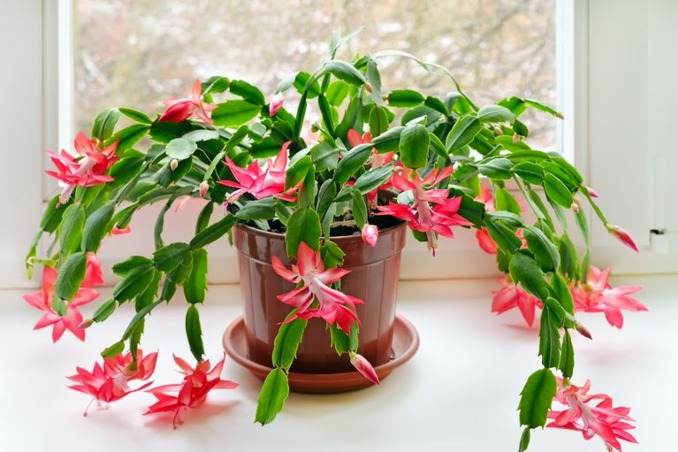
Most “Christmas cactus” sold today are actually Thanksgiving cactus.
- Pointy segments → Thanksgiving cactus (blooms earlier)
- Rounded segments → Christmas cactus (blooms closer to late December)
Care is identical — only timing differs.
1. Understand How a Christmas Cactus Decides to Bloom
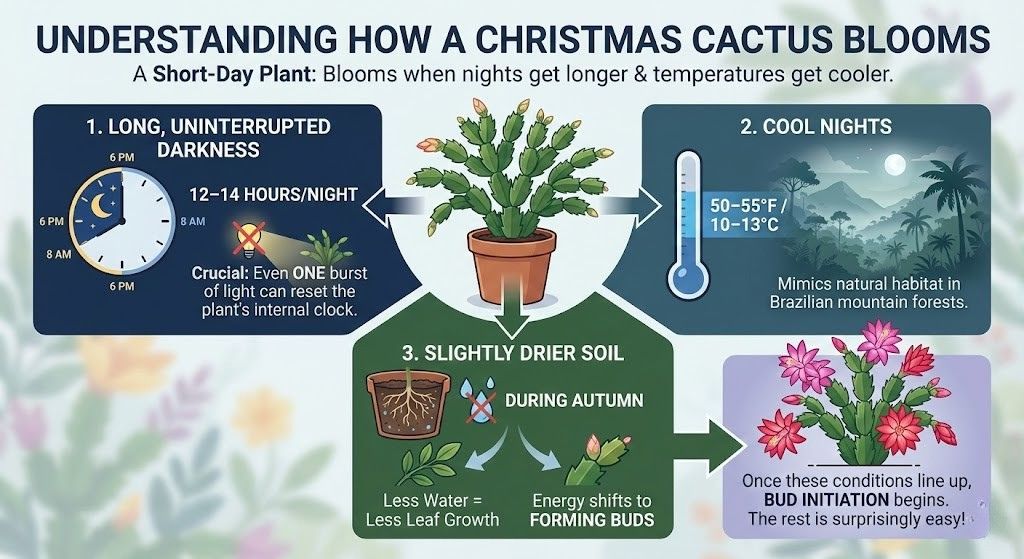
Christmas cactus is a short-day plant—which is a fancy way of saying it blooms when nights get longer and temperatures get cooler.
The three triggers look like this:
• Long, uninterrupted darkness (12–14 hours/night)
Even one burst of kitchen light can reset the plant’s internal clock.
• Cool nights (50–55°F / 10–13°C)
This mimics the mountain forests of Brazil where it naturally flowers.
• Slightly drier soil during autumn
Less water = the plant shifts its energy from growing leaves to forming buds.
Once these conditions line up, the plant begins bud initiation, and the rest is surprisingly easy.
2. The Most Reliable 6-Week Blooming Schedule
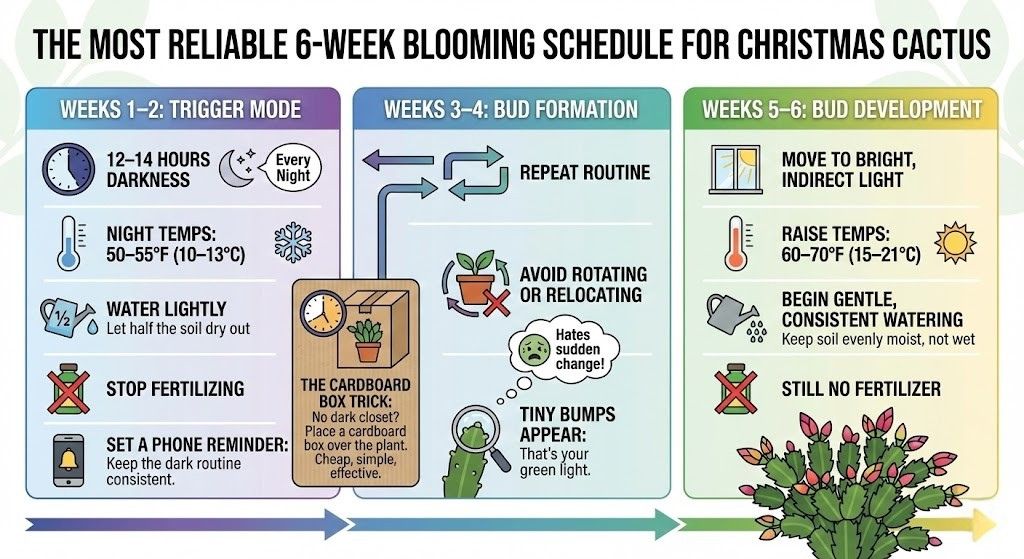
Weeks 1–2 — Trigger Mode
- Provide 12–14 hours of darkness every night
- Keep night temperatures at 50–55°F (10–13°C)
- Water lightly (let half the soil dry out)
- Stop fertilizing
If you’re forgetful, set a phone reminder to keep the dark routine consistent.
The Cardboard Box Trick:
No dark closet? Just place a cardboard box over the plant from 5 PM to 8 AM. Cheap, simple, and extremely effective.
Weeks 3–4 — Bud Formation
- Keep the same darkness routine
- Maintain cool temperatures
- Avoid rotating or relocating the pot
(Christmas cactus hates sudden change more than anything.)
You’ll see tiny bumps forming at the segment tips—that’s your green light.
Weeks 5–6 — Bud Development
- Move to bright, indirect light
- Raise temperatures to 60–70°F (15–21°C)
- Begin gentle, consistent watering — keep soil evenly moist, not wet
- Still no fertilizer
At this stage, your job is basically “don’t mess things up.”
Once buds are visible → Do not disturb
Even a small draft or soggy soil can cause bud drop.
People often blame the plant. It’s almost always the environment.
3. The Four Blooming Factors
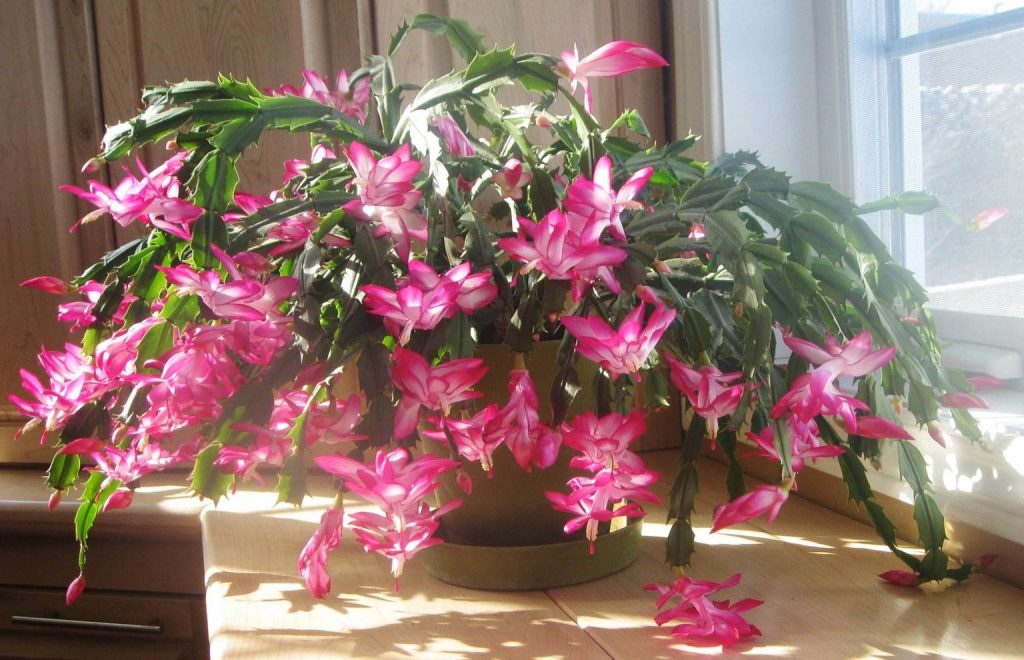
A) Light: Bright Days, Long Nights
Think of your Christmas cactus as a plant that loves mornings and hates midnight snacks.
Give it:
- Bright, soft light during the day
- Zero light pollution at night
- Avoid direct midday sun
A simple cardboard box works better than most grow lights for the dark treatment.
B) Temperature: Cool Nights Are the Secret Weapon
Most houseplants hate being cold.
Christmas cactus? It needs it.
- 50–55°F (10–13°C) for bud initiation
- 60–70°F (15–21°C) for bloom development
One drafty window can undo days of progress, so choose the spot wisely.
C) Watering: The “Slow-Down” Method
Contrary to popular belief, this plant does not like to be completely dry.
But it also hates soggy soil.
Golden rule:
Water only when the top 50% of soil is dry.
During the fall pre-bloom period:
- Slightly reduce watering
During blooming:
- Increase watering frequency slightly and keep the soil evenly moist
- Always ensure excellent drainage
This mimics its natural seasonal rhythm.
D) Fertilizer: Feed When Growing, Stop When Blooming
- Spring–Summer: balanced 10-10-10 every 4–6 weeks
- Fall–Winter: stop feeding (nitrogen blocks blooming)
This is where beginners often go wrong:
More fertilizer ≠ more flowers.
4. Why Your Christmas Cactus Isn’t Blooming (Quick Diagnosis)
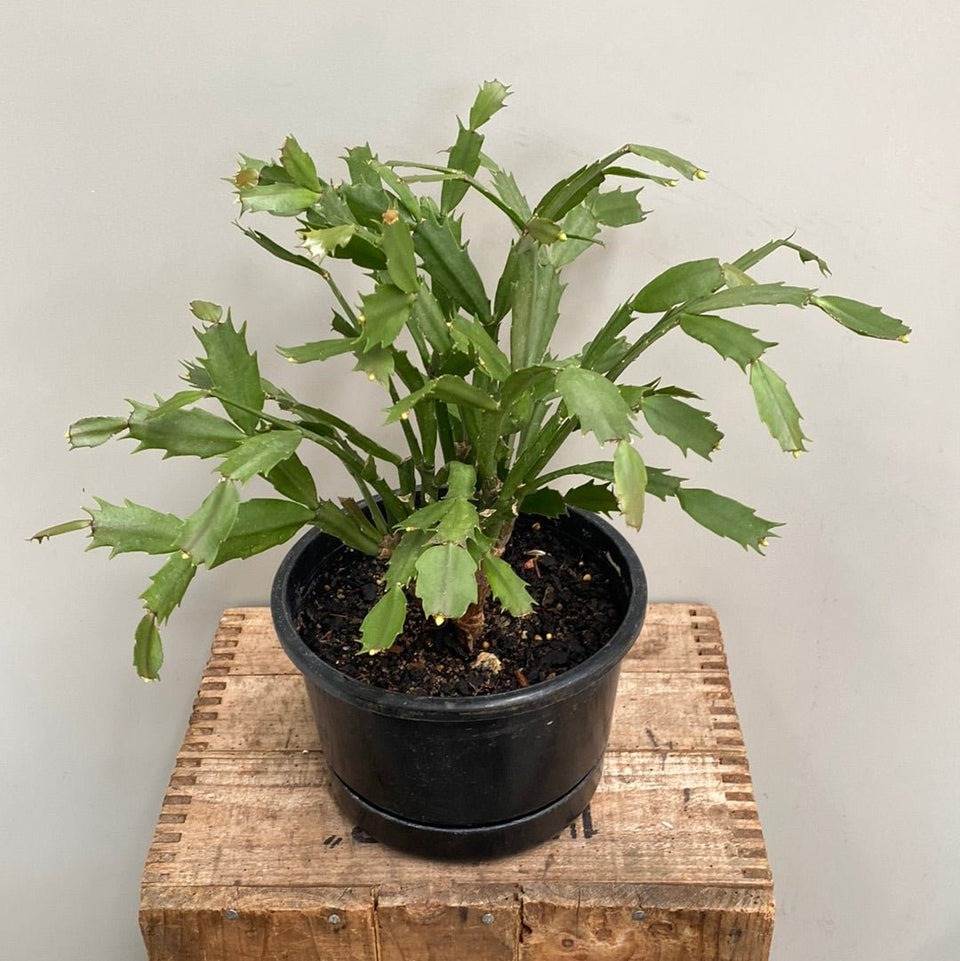
The six most common reasons a Christmas cactus won’t bloom:
- Not enough darkness
- Nights too warm
- Too much direct sunlight
- Overwatering or soggy soil
- Fertilizing too late in the year
- Moving the plant after buds develop
Fix any of these, and bloom chances spike within two cycles.
5. Why Christmas Cactus Buds Fall Off
Bud drop usually means stress.
Typical causes include:
- Sudden temperature changes
- Interrupting the dark period
- Very dry indoor air
- Overwatering
- Moving the pot after buds set
It’s not the plant being dramatic—it’s just reacting to disruption.
6. Why It Blooms but Doesn’t Grow New Segments
This is surprisingly common.
Causes include:
- Light too weak (blooms but doesn’t grow)
- Temperature too warm year-round
- Lack of humidity
- Fertilizer used at the wrong time
Vegetative growth happens spring to early fall, not during winter bloom.
FAQs
How many times a year can a Christmas cactus bloom?
A true Christmas cactus typically blooms once a year, producing a reliable winter display.
A very healthy plant may offer a small spring flush — but treat it as a bonus, not a guarantee.
How long until it blooms again?
Bud initiation takes 6–8 weeks; full flowering takes 8–12 weeks.
Why are blooms falling off early?
The usual suspects: inconsistent watering, sudden cold drafts, poor humidity, or light interruptions.
Final Thoughts
A Christmas cactus doesn’t bloom randomly.
It blooms when you recreate the signals of its rainforest home:
long nights, cool air, bright mornings, and steady, consistent moisture.
Once you understand that rhythm—and once you know whether you’re caring for a Christmas or Thanksgiving cactus—you’ll get blooms not just this Christmas, but every Christmas after.