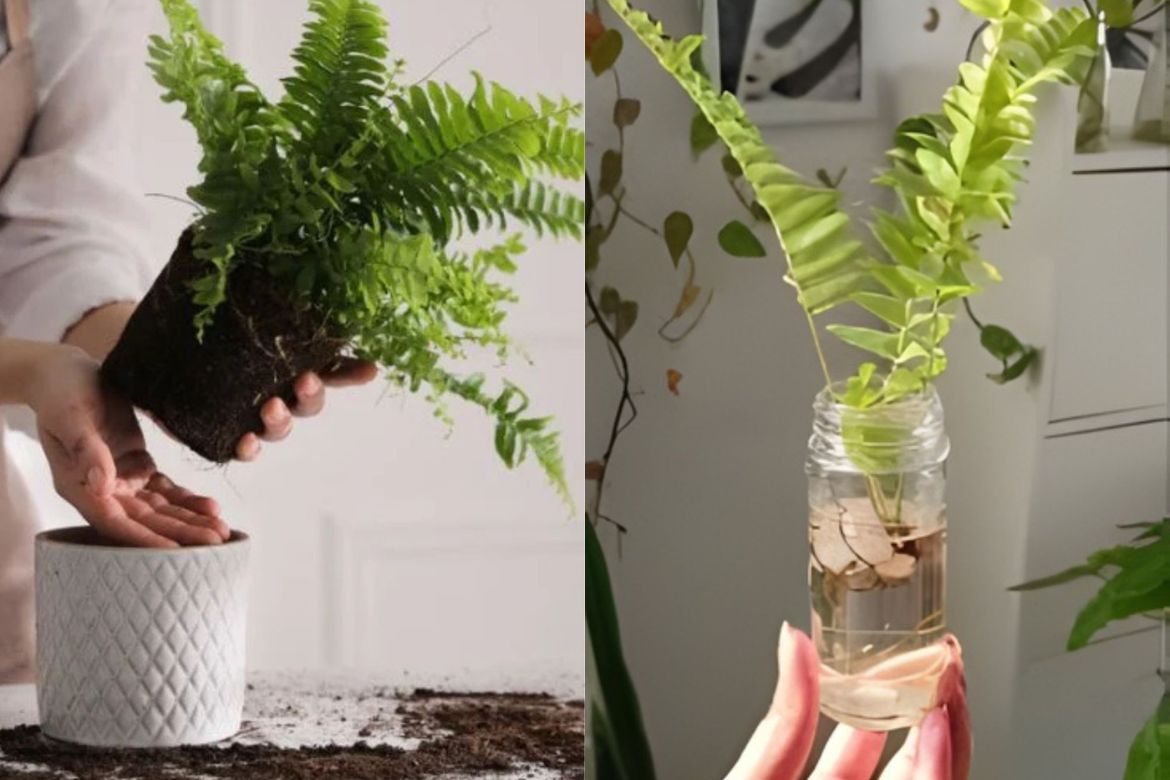
Table of Contents
Ferns bring a soft, calming beauty to any indoor space, but growing them in soil can be messy and high-maintenance. Overwatering, fungus gnats, and crumbling potting mixes are common headaches.
The good news is many fern varieties grow surprisingly well in water alone. With a glass container and clean water, you can create a modern, minimalist display that stays fresh with very little effort.
Here is the complete, updated guide to growing ferns in water safely and successfully.
1. Choose Ferns That Adapt Well to Water
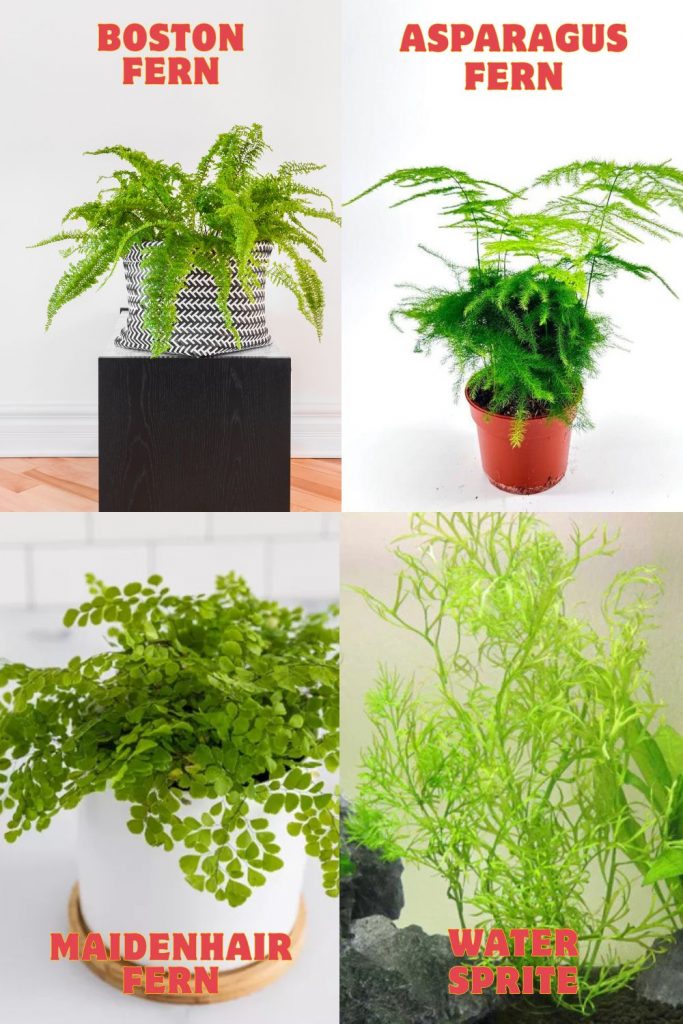
Not every fern transitions smoothly, but several types respond reliably:
- Boston Fern (Nephrolepis exaltata)
- Asparagus Fern (Asparagus setaceus) — technically not a true fern, but almost invincible in water
- Maidenhair Fern (Adiantum spp.) — gorgeous but extremely delicate
And for the easiest option:
- Water Sprite (Ceratopteris thalictroides) — naturally aquatic and highly adaptable
Important Note for Maidenhair Fern
Maidenhair is one of the most sensitive houseplants. It dislikes root disturbance, and washing away soil can trigger shock. Even gentle handling may cause the fronds to brown or collapse within 24 hours.
Choose only a strong specimen, and skip it if you are a beginner.
2. Clean and Prepare the Roots
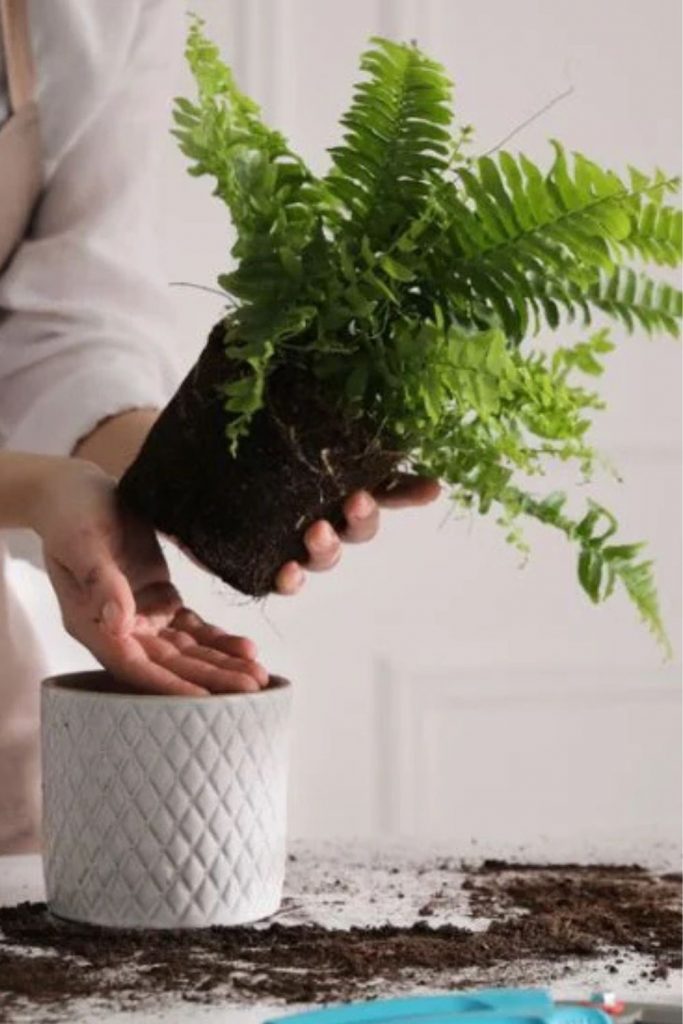
A successful transition depends on perfectly clean roots.
- Remove the plant from its pot.
- Shake off loose soil.
- Rinse the roots thoroughly with lukewarm water.
- Trim away roots that look mushy, dark, or brittle.
Healthy roots should be pale and firm.
Any remaining soil can rot quickly in water, so take your time with this step.
3. Set Up the Water Container
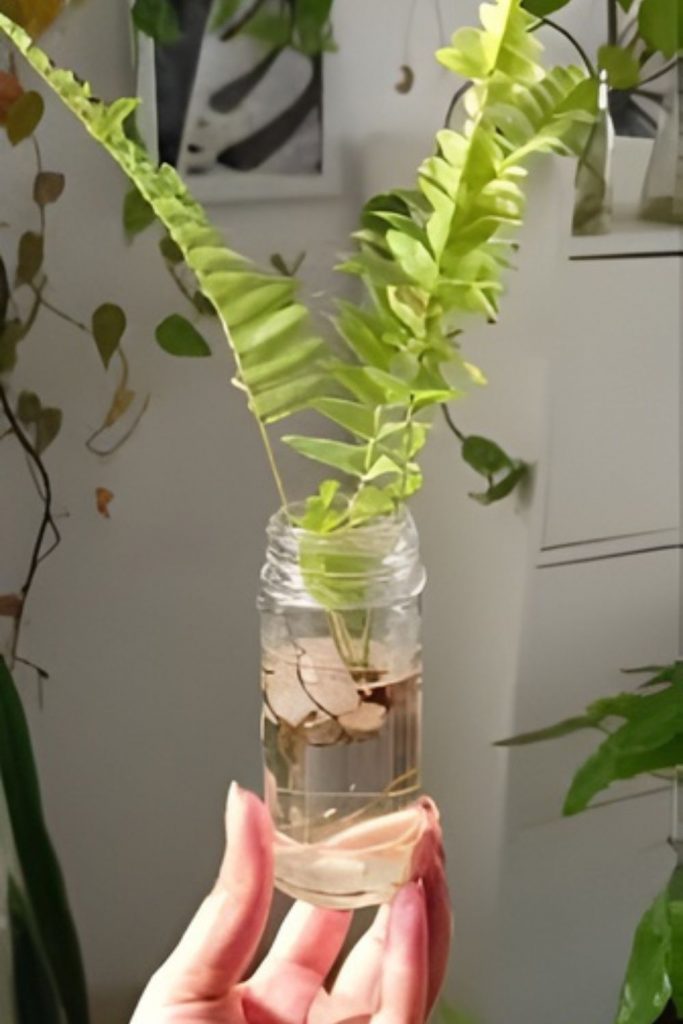
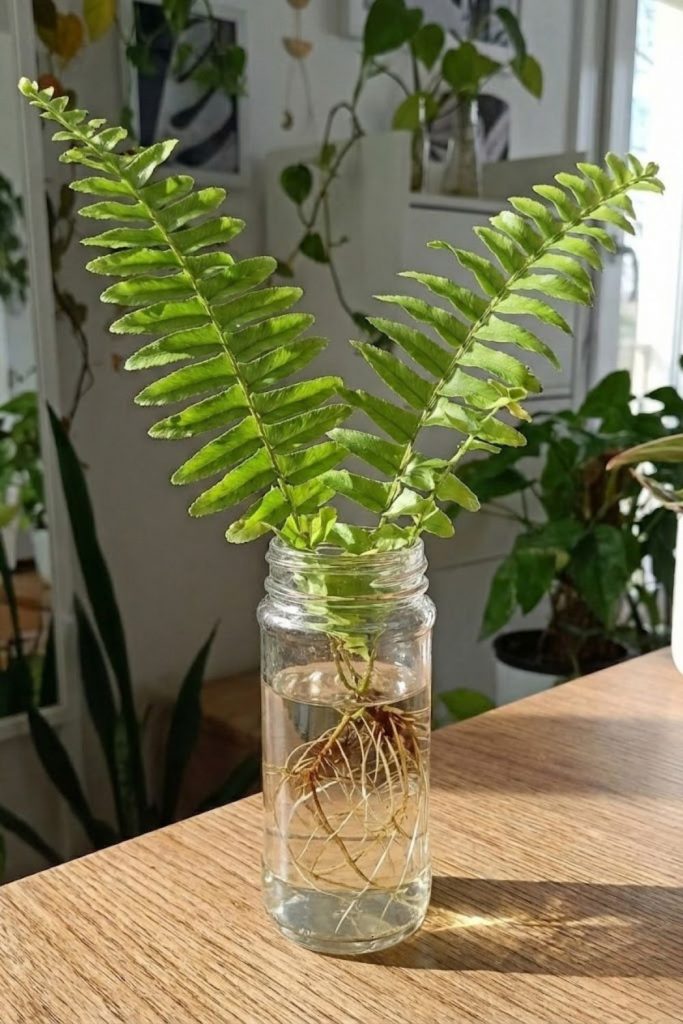
Use a clear glass vase, jar, or bowl to showcase the roots and make maintenance easy.
- Fill the container with filtered, rain, or distilled water.
- Submerge only the roots.
- Keep the crown above the waterline, since a wet crown is the most common cause of rot.
For tall ferns, choose a container with a narrow neck to hold the plant upright.
4. Find the Ideal Placement
Ferns grown in water prefer:
- Bright, indirect light
- Temperatures from 65–75°F (18–24°C)
- A humid environment
Bathrooms, kitchens, and rooms with natural humidity are excellent.
If fronds become crispy or dry, humidity is too low.
5. Care Tips for Water-Grown Ferns
This method is low-effort but depends on consistency.
- Change the water every 5–7 days to keep it oxygenated.
- Top up water as it evaporates.
- Add liquid houseplant fertilizer diluted to ¼–½ strength once a month.
Avoid slow-release pellets, which do not dissolve and can pollute the water or burn roots. - Wipe algae from the jar whenever needed.
Clean water plus a dry crown equals long-lasting success.
6. Benefits of Growing Ferns in Water
- No soil, no mess, and no fungus gnats
- Easy to monitor root health
- Modern, clean aesthetic
- Perfect for small spaces, offices, or minimalist decor
- Ferns tend to grow more slowly but maintain their beauty for months or even years
7. Troubleshooting Common Problems
Roots turning mushy
The crown may be underwater, or the water has gone stagnant. Raise the crown and refresh the water.
Algae buildup
The container is getting too much light. Clean the glass and move to slightly softer light.
Crispy fronds
Humidity is too low. Move the plant to a more humid spot or group it with other houseplants.
Minimal new growth
Provide a light dose of liquid fertilizer once a month.