Table of Contents
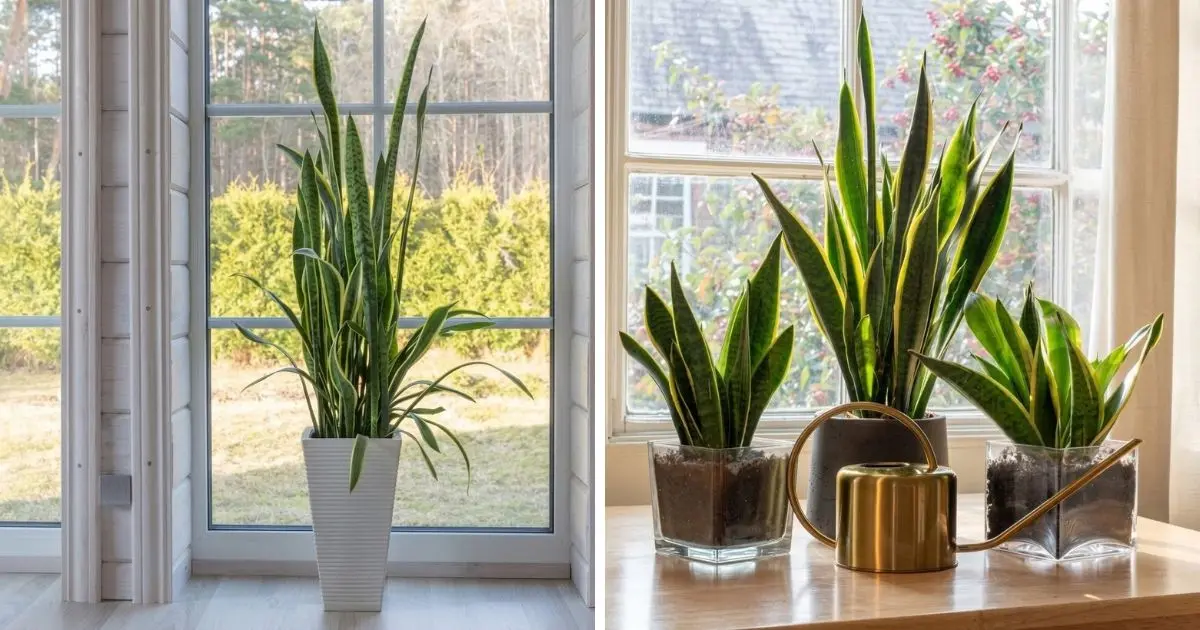
Snake plants are low-maintenance houseplants, but the right growing conditions still matter.
Choosing a variety that suits your space, providing enough light, and avoiding excess water will do more for long-term health than constant attention.
These tips cover the key choices and care habits that help snake plants grow well indoors, from choosing the right plant and pot to adjusting care as the seasons change.
1. Choose a Variety That Fits Your Space
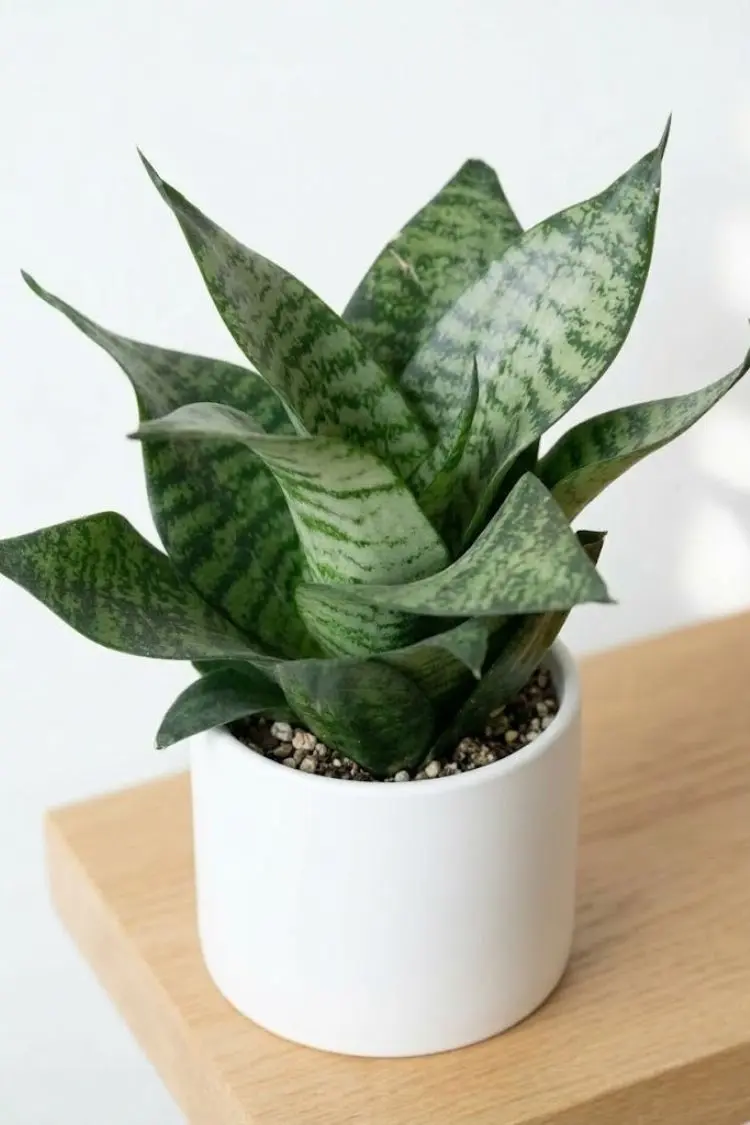
Start by choosing a snake plant that suits the spot you have in mind. Compact varieties such as ‘Hahnii’ grow to about 6 inches tall, while taller types can reach several feet and are better suited to larger spaces. ‘Laurentii’ is also known for its creamy yellow leaf margins, so variety affects both the plant’s eventual size and its appearance.
Choosing the right variety upfront makes it easier to match the plant to your space rather than trying to accommodate an oversized plant later.
2. Give It Bright, Indirect Light
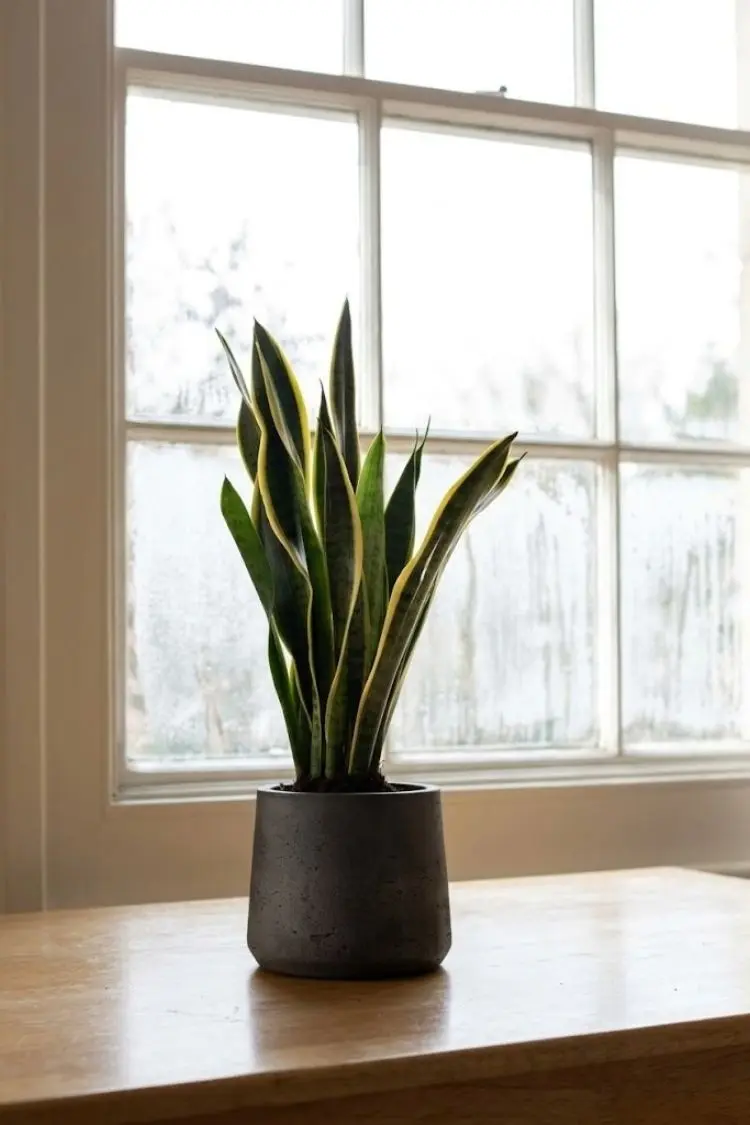
Place your snake plant where it receives bright, indirect light for the strongest growth and best foliage color. An east-facing window or a spot near a south- or west-facing window can work well. Snake plants tolerate low light, but they grow more slowly there, and some varieties may lose color or become leggy.
A few hours of direct sunlight can also be tolerated, but bright, indirect light is a good target when you want steady growth.
3. Choose a Sturdy Pot With Good Drainage
Give a snake plant a sturdy container with at least one drainage hole. Because the plant can become top-heavy, a heavier pot provides useful stability. Terracotta is another practical choice because it can help wick excess moisture from the soil.
Don’t compensate for a small root ball with an oversized container. Snake plants prefer a fairly snug fit, and a pot that’s only an inch or two wider when repotting gives the roots room to expand without surrounding them with unnecessary wet soil.
4. Use a Fast-Draining Potting Mix
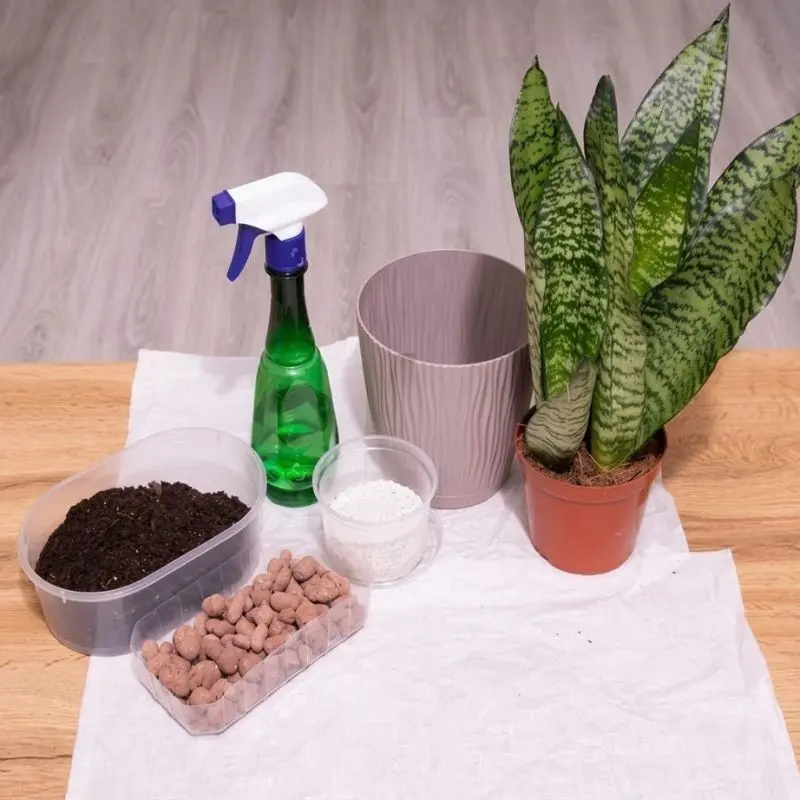
Choose a loose, well-drained potting mix rather than one that stays wet for long periods. A cactus potting mix is a practical choice for snake plants, while mixes with a high percentage of peat can retain too much water.
Good soil and a drainage hole work together. Even careful watering can cause problems when excess moisture has nowhere to go.
5. Water Only When the Soil Has Dried Out
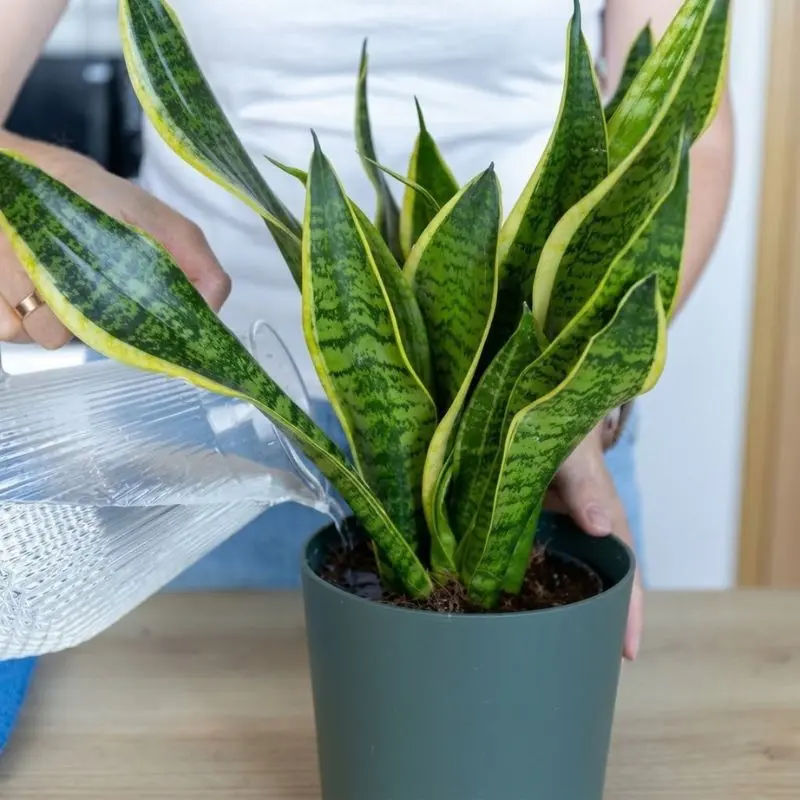
Let the soil dry out before watering, then water deeply and allow excess water to drain away. Empty any water left in the drainage tray rather than letting the plant sit in it.
Overwatering is one of the quickest ways to damage a snake plant and can lead to root rot. Yellowing leaves or mushy stems can be early signs that the plant is staying too wet. When you’re unsure whether it needs water, check the soil rather than relying on a calendar.
6. Change Your Routine With the Seasons
Your snake plant won’t need the same amount of water year-round. As growth slows in winter, check the soil less often and water less frequently. Keep the plant away from cold drafts, too; prolonged exposure below 50°F can damage or kill it.
A seasonal adjustment is especially useful in winter, when cooler conditions and slower growth can leave soil wet for longer.
7. Feed Lightly During Active Growth
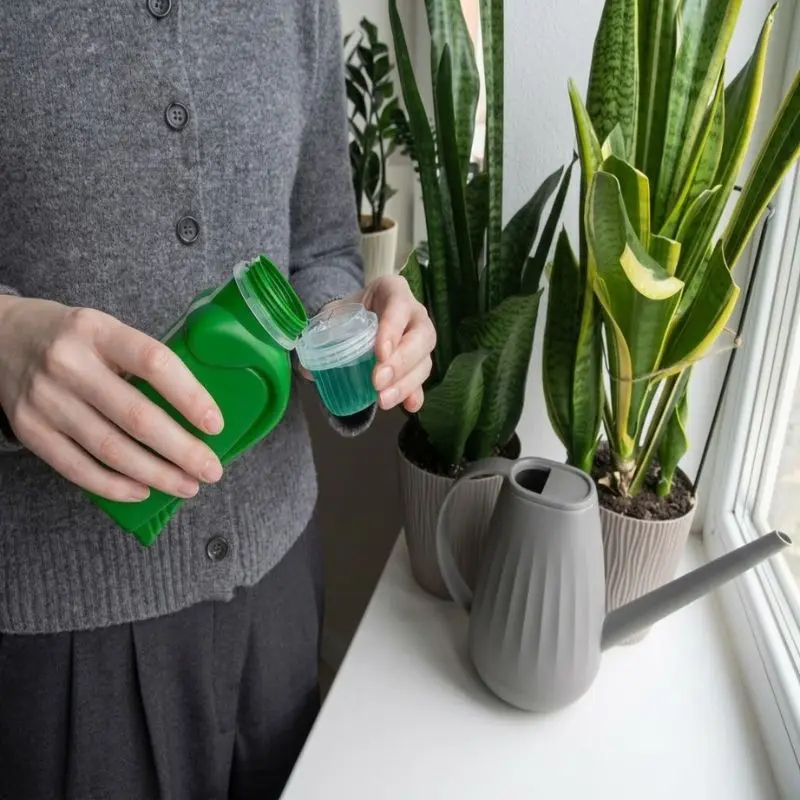
Snake plants are slow-growing and don’t need much fertilizer. Feed once in spring and again in mid-summer with a balanced, slow-release fertilizer diluted to half strength, and skip feeding in winter.
There’s little reason to push a snake plant with frequent feeding. Light, drainage, and sensible watering have a much greater effect on its everyday growing conditions.
8. Repot Only When the Plant Needs More Room
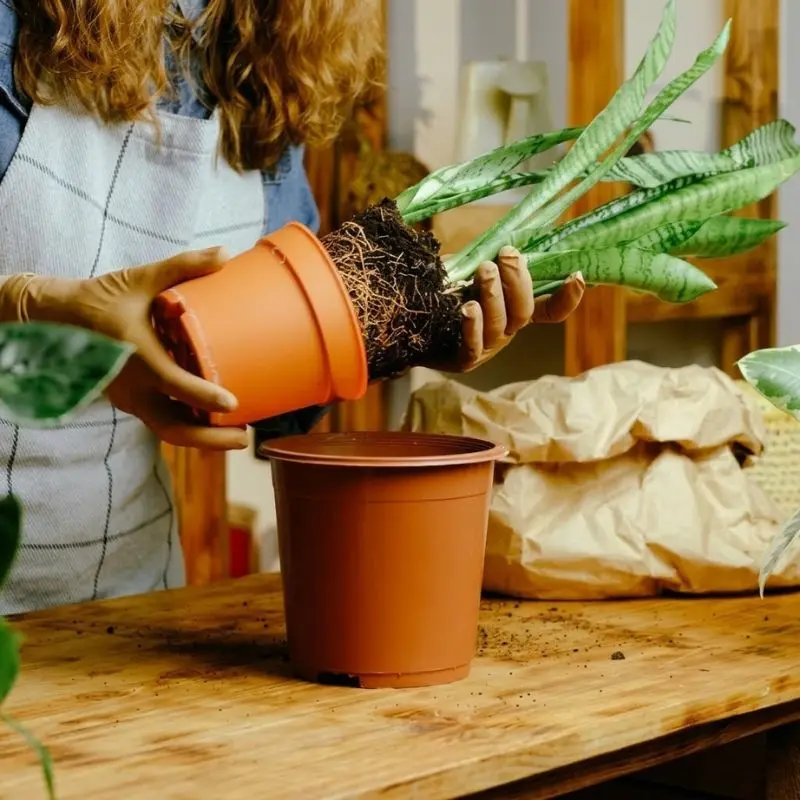
A snake plant doesn’t need an annual repot. A plant growing in bright light may need repotting in about three to five years, while one growing in low light may remain in the same container for much longer.
Repot when roots emerge from the drainage holes, fill the container, water drains unusually quickly, or the plant becomes large enough to tip its pot. Spring is the best time to repot, and the new container should be only an inch or two wider than the current one.
9. Let the Leaves Tell You When Something Is Wrong
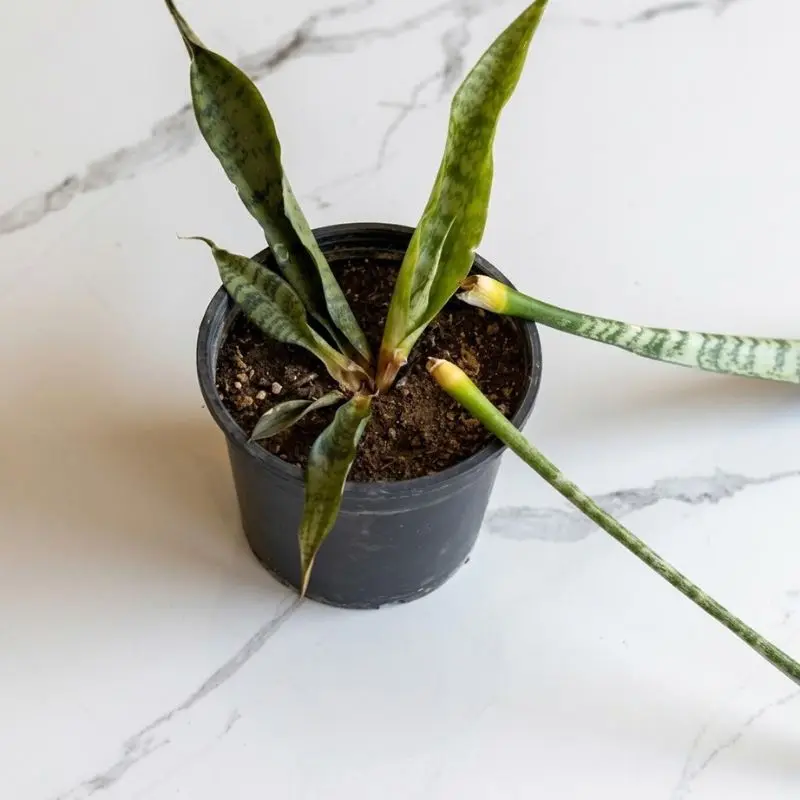
Pay attention to changes in the foliage instead of immediately changing the entire care routine. Yellow or brown leaves can point to overwatering, pests, or root rot, while drooping leaves may result from too much water, insufficient light, or poorly draining soil.
Brittle, dry leaves can signal that the plant needs water. Wrinkled leaves can also result from thirst or simply from age, so check the soil before changing your routine.
10. Keep the Plant Clean and Check for Pests
Give the leaves an occasional wipe with a damp microfiber cloth to remove dust from both sides. Regularly cleaning the foliage keeps dust from interfering with the plant’s ability to use available light.
While you’re cleaning, look over the leaves and stems for pests such as mealybugs, aphids, or spider mites. Snake plants are relatively pest-free, but catching an infestation early makes it easier to isolate and treat the problem.
FAQs
How often should you water a snake plant?
Water when the soil has dried out.
Check the soil before watering rather than following a fixed schedule, since the plant’s needs change with its growing conditions.
Can a snake plant grow in low light?
Yes. Snake plants tolerate low light, but they generally grow faster in bright light, and some varieties may lose color or become leggy in lower-light conditions.
When should you repot a snake plant?
Repot when roots emerge from the drainage holes, fill the container, water drains unusually quickly, or the plant becomes large enough to tip its pot. Spring is the best time to repot.