Table of Contents
The best indoor vegetables don’t just stay alive on a sill—they give you small, steady harvests you’ll actually use.
That might mean greens to snip while you cook, quick roots to pull a few weeks later, or a fruiting plant that pays off if you’re willing to give it more.
This list is built around that kind of usefulness: 13 indoor vegetable plants worth growing for real, repeat harvests.
#1 — Microgreens Mix (Radish, Broccoli, Pea Shoots, Sunflower)
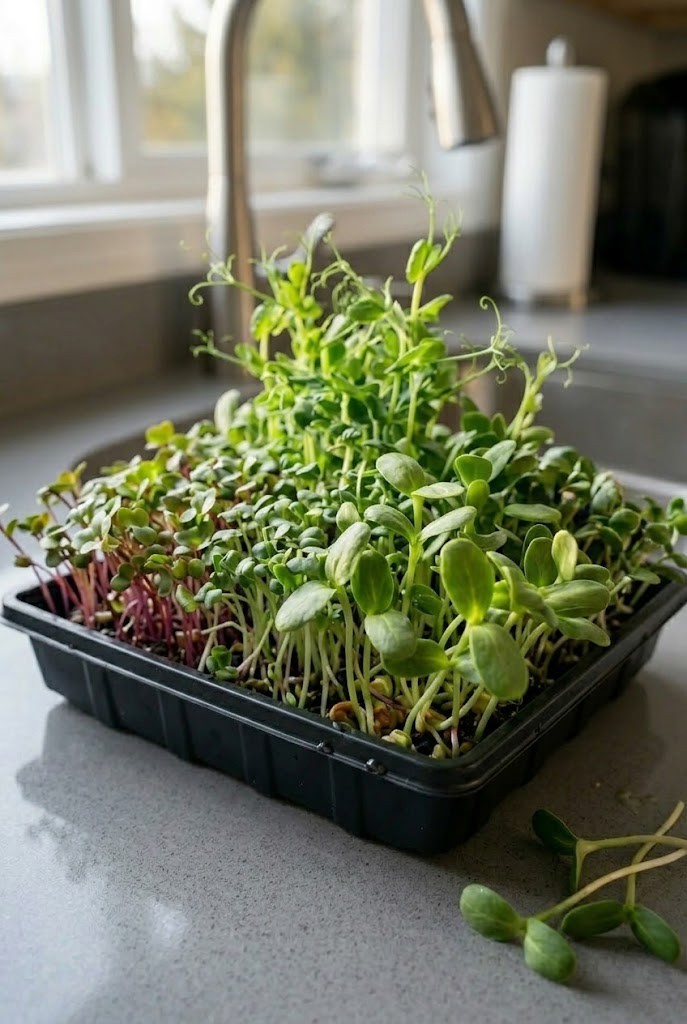
If you want something fast, start here. Most microgreens mixes are ready in about 10–14 days, which makes them one of the quickest indoor harvests.
All they need is a shallow tray, steady moisture, and consistent light. Sow a small tray every week or two, and you’ll always have fresh greens ready to snip.
#2 — Loose-Leaf Lettuce (Cut-and-Come-Again)
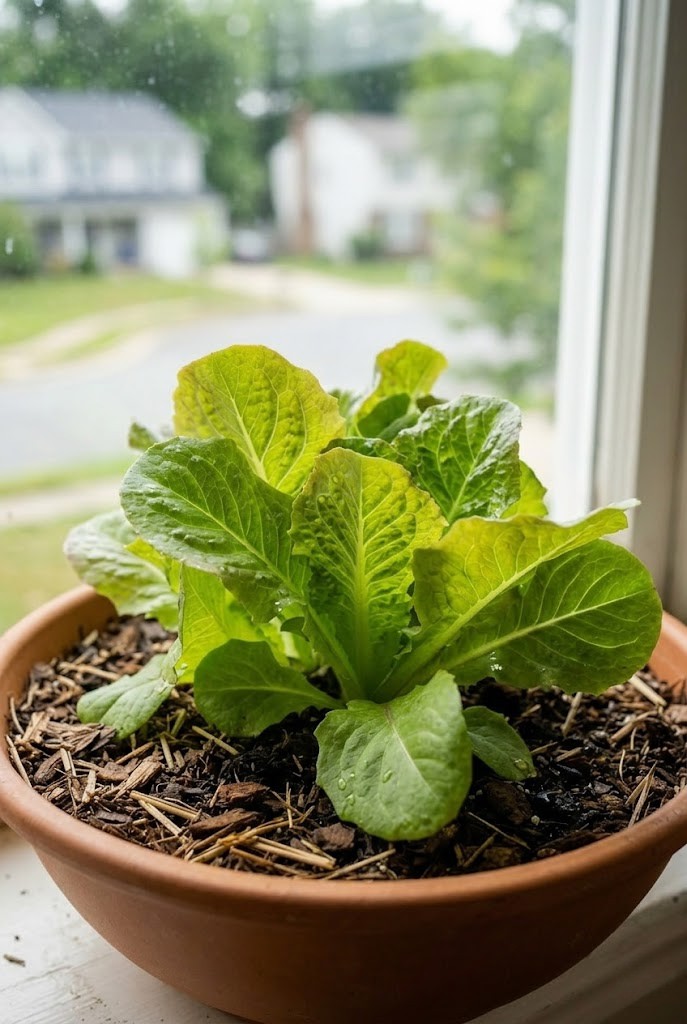
Loose-leaf lettuce earns its place because you can start picking early. Harvest the outer leaves, leave the center alone, and it keeps going.
That’s what makes it one of the most practical indoor greens. You’re not waiting for a full head, and you don’t need much more than a bright spot, drainage, and steady moisture.
#3 — Arugula (Baby Leaf)
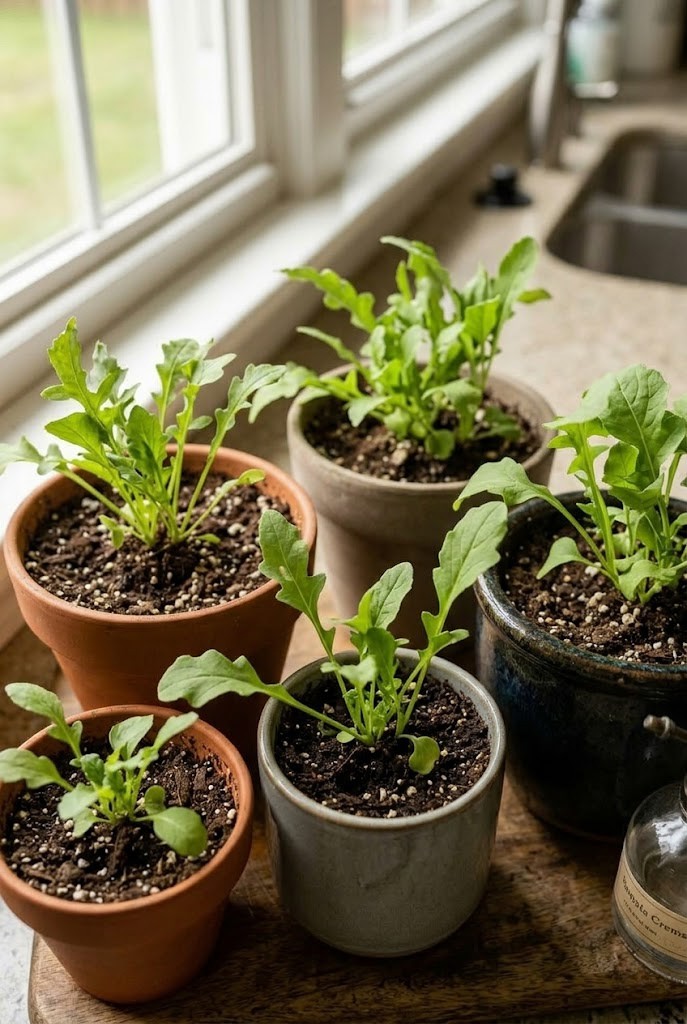
Arugula pays off early. Even a small pot gives you peppery leaves fast, and a few handfuls go a long way on sandwiches, eggs, and simple salads.
Pick it young, then sow another small batch a couple of weeks later. That rhythm works better than letting one pot get old and tough.
#4 — Baby Kale
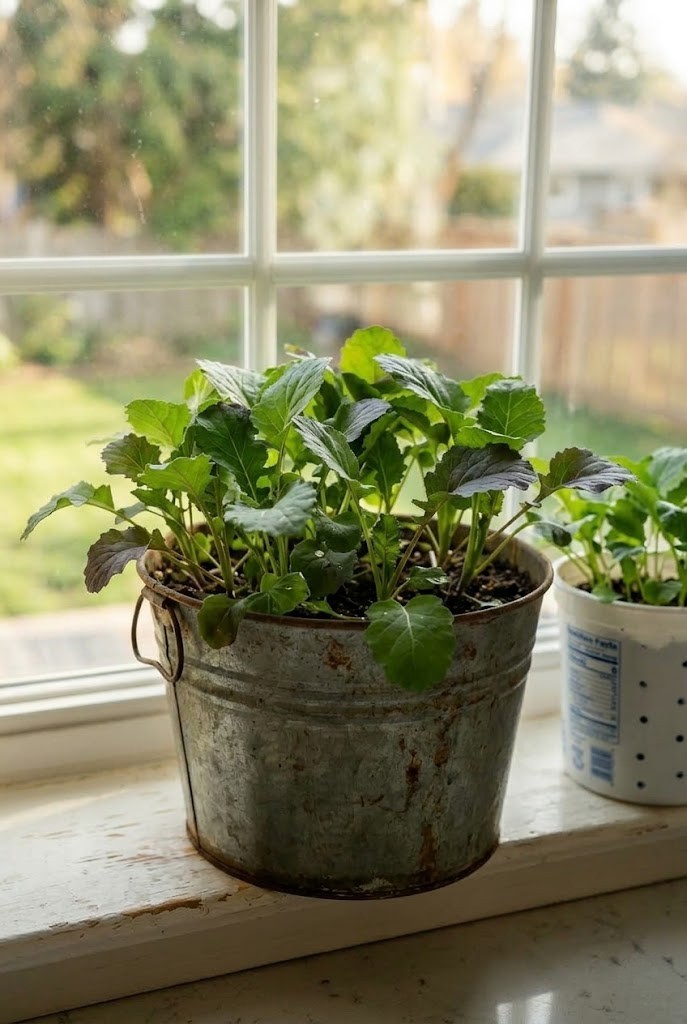
Baby kale makes more sense than lettuce when you want a sturdier green. It holds up better once it hits a real meal—eggs, pasta, soup, not just salad.
Grow it as a cut-young crop and keep a second pot coming. It’s slower than lettuce, but more useful once you start cooking with it.
#5 — Baby Bok Choy (Compact Pak Choi)
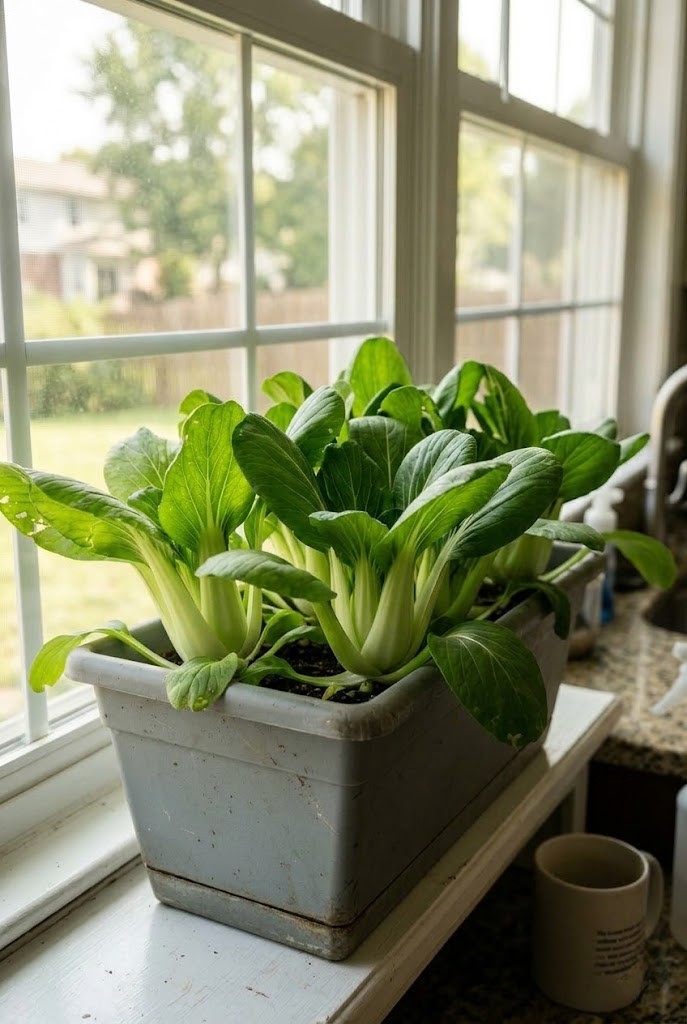
Baby bok choy is a smart pick when you want crisp stems, not just another bowl of soft greens. It cooks fast and earns its keep in stir-fries and noodle bowls.
Harvest it young for the best texture. The main catch is watering: bok choy is much less forgiving than lettuce if the soil keeps swinging from dry to soggy.
#6 — Spinach (Cool-Season Indoor Pick)
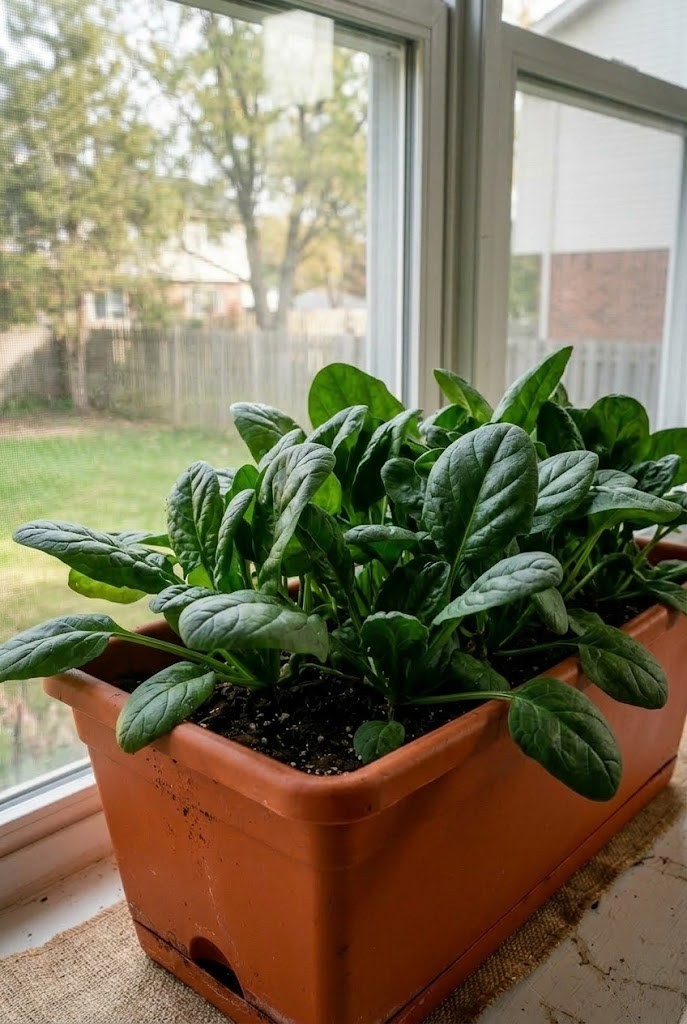
Spinach is worth trying if you have a cool bright spot. When it’s happy, it gives you some of the best indoor greens on this list.
The catch is heat. If the room runs warm or the pot dries out fast, spinach gets fussy fast too.
#7 — Green Onions (Scallions / Regrow)
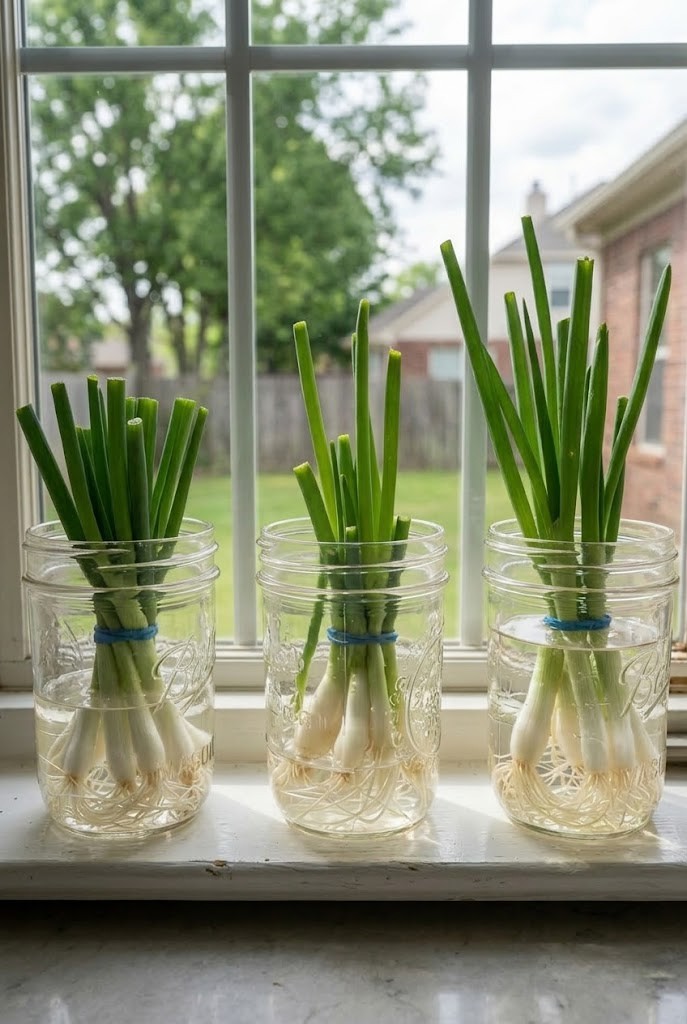
Green onions are one of the easiest indoor crops because they start paying you back almost right away. Snip a few tops, and they keep coming back.
Start them in water from kitchen scraps, then move them into soil if you want better growth and better flavor over time.
#8 — Celery (Regrow from the Base)
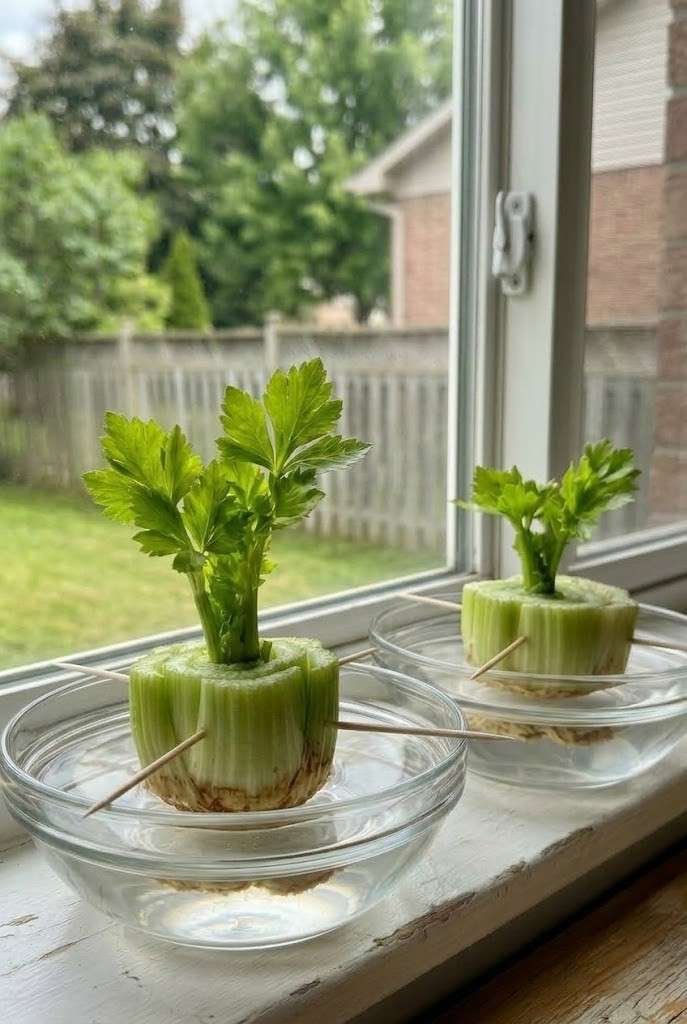
Celery regrow starts as a kitchen scrap, which is part of the appeal. Set the base in water, and fresh green growth starts pushing up from the center before long.
This is worth doing for the leaves and tender inner growth, not for rebuilding a full grocery-store bunch. Once new growth starts, move it into soil so it lasts longer.
#9 — Radishes (Fast Container Roots)
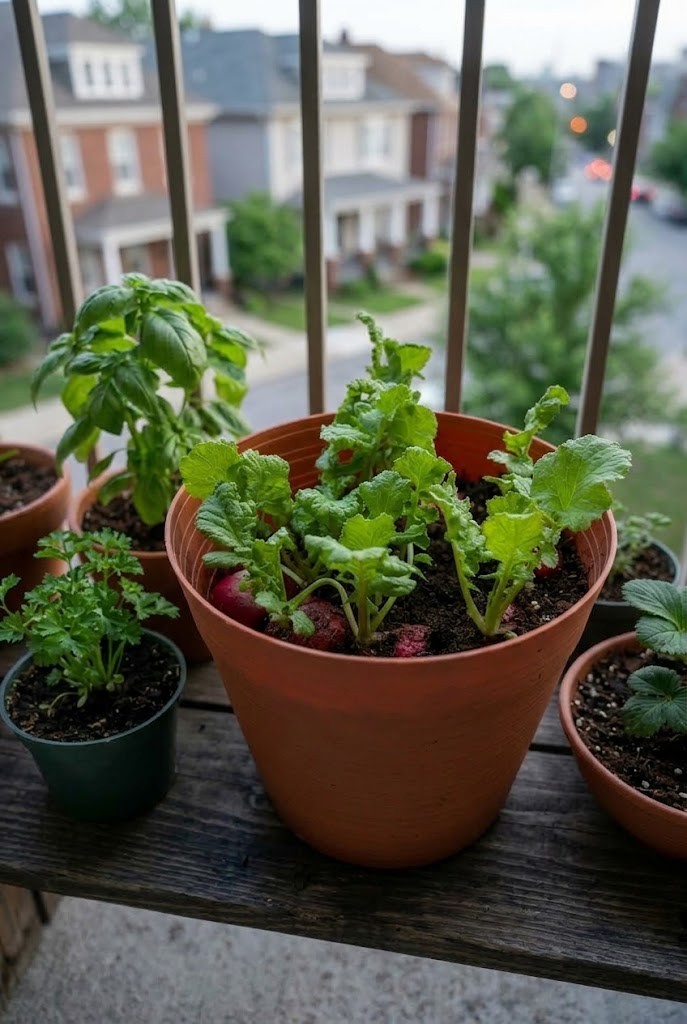
Radishes are one of the quickest ways to get a real root crop indoors. You sow them, wait a few weeks, and pull something crisp and useful instead of just another pot of leaves.
They don’t need much depth, but timing matters. Leave them too long, and the roots turn woody fast.
#10 — Baby Carrots (Parisian / Little Finger Types)
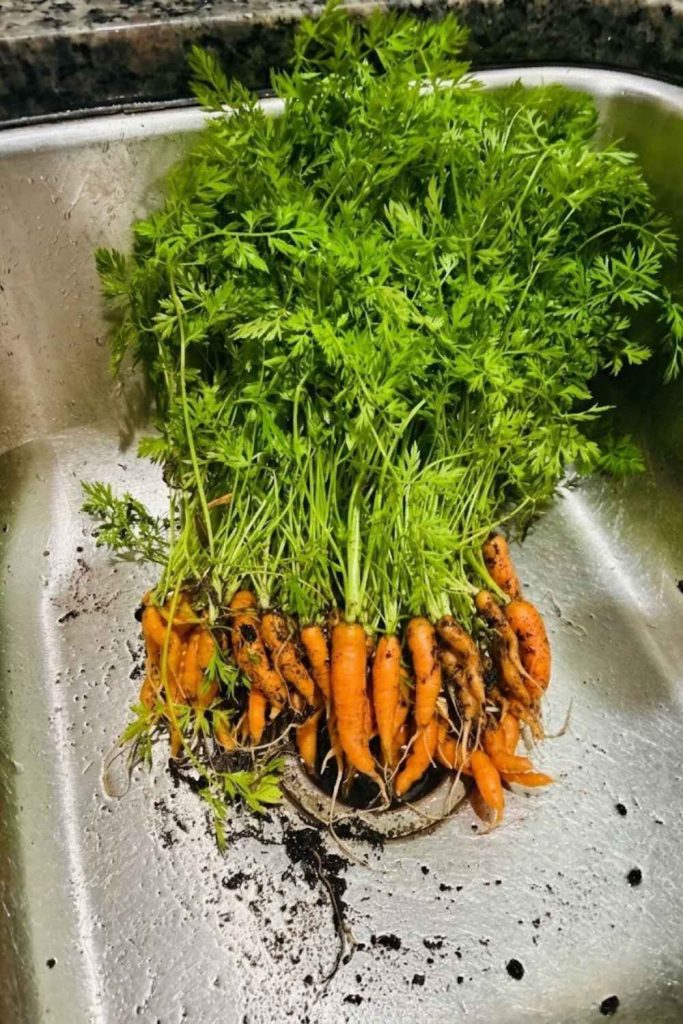
Baby carrots are only worth the space indoors if you grow a short type. Varieties like ‘Parisian’ or ‘Little Finger’ are much more realistic in containers than long, full-size roots.
They’re slower than radishes, but they can still pay off if you give them a deeper container and keep the soil evenly moist early on.
#11 — Bush Beans (Dwarf / No Trellis)
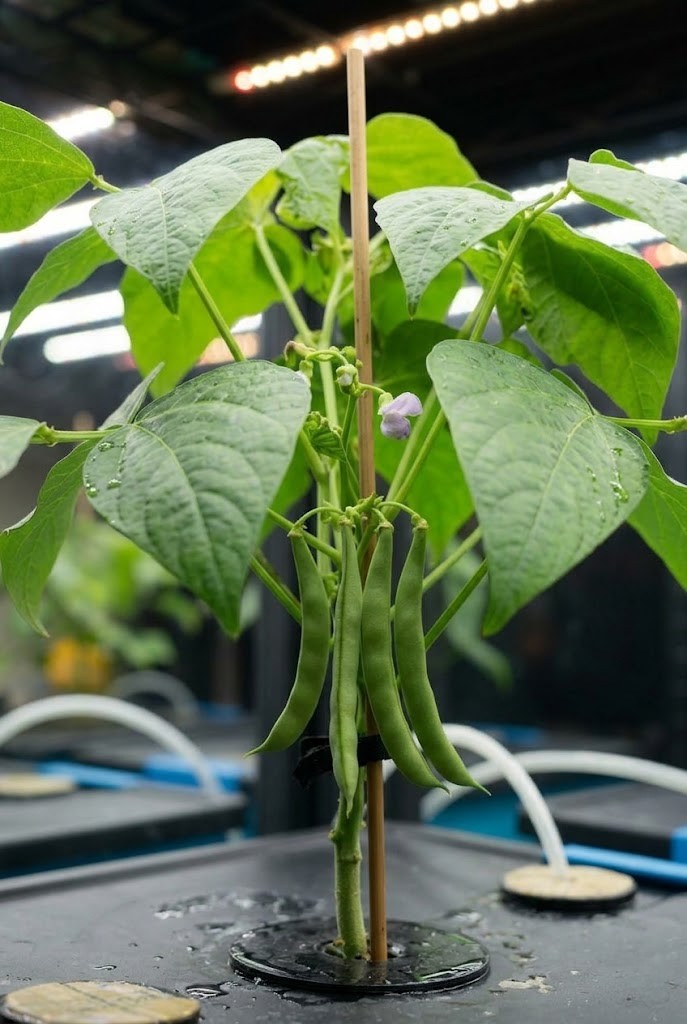
Bush beans are one of the few indoor crops that can give you something that feels like a real side dish, not just garnish. Once they start producing, you’re picking pods, not just leaves.
They need strong light to get there. A compact pot, steady watering, and 14–16 hours of light are usually what make the difference.
#12 — Dwarf Cherry Tomatoes (Patio/Micro Types)
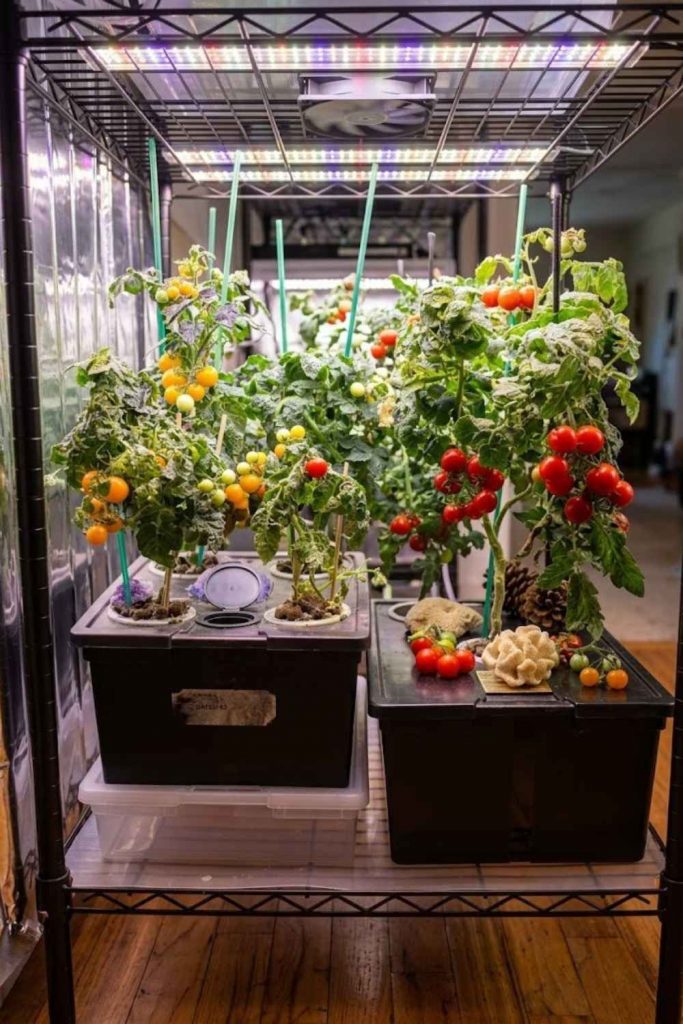
Dwarf cherry tomatoes are the indoor plant you grow because you want the full payoff: flowers, green fruit, then tomatoes you can actually pick over time.
They need strong light, steady watering, and a little help with pollination once flowers open. They’re heavy feeders in containers, so once flowering starts, use a simple liquid tomato or vegetable fertilizer.
#13 — Dwarf Peppers (Compact Chili / Mini Bell Types)
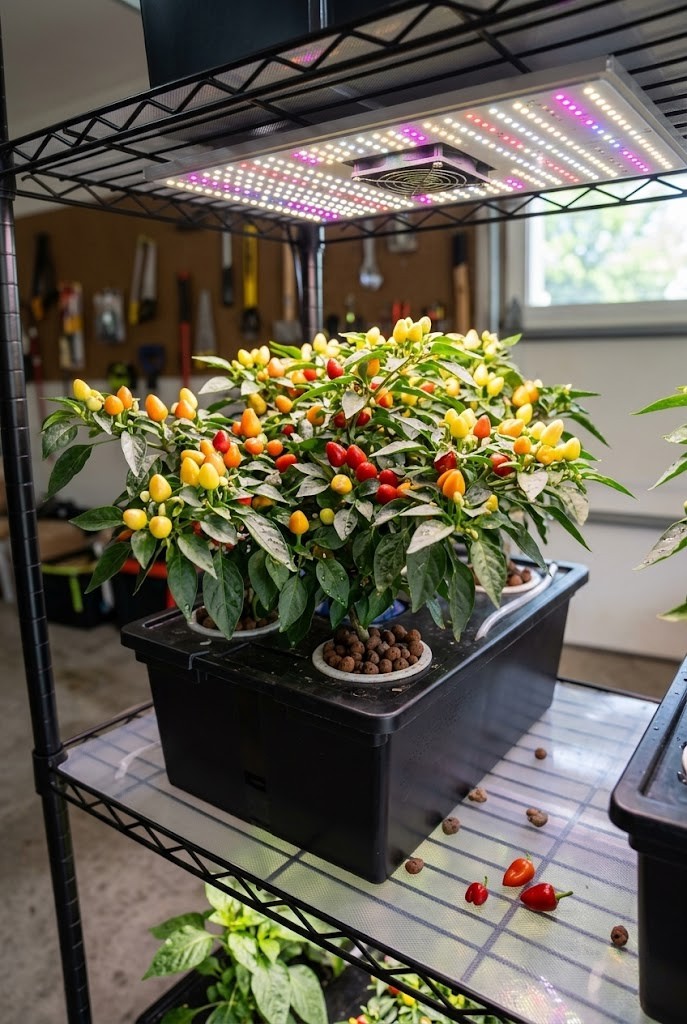
Dwarf peppers are one of the few indoor crops that can give you repeated fruit without turning into a huge plant. They take longer than greens, but the payoff lasts longer too.
They need strong light, even moisture, and a little airflow around the flowers. Skip full-size pepper types and go straight to compact varieties like ‘Basket of Fire’ or ‘Mini Belle’.
A simple way to choose
If you want the fastest payoff, start with microgreens, loose-leaf lettuce, or green onions. They’re the easiest to keep in rotation, and they give you something usable long before bigger crops are ready.
If you want a true root crop without a huge container, radishes are the better bet. Baby carrots can work too, but they take more patience.
If what you really want is fruit, choose just one project plant at a time—bush beans, dwarf tomatoes, or dwarf peppers. Those are the bigger-payoff picks, but they ask for more from your setup.
FAQ
Can I grow vegetables indoors without grow lights?
Yes—some of them. Microgreens, loose-leaf lettuce, arugula, and regrow green onions can do well in a bright window.
But for beans, carrots, tomatoes, and peppers, a grow light usually makes the difference between a plant that survives and one that actually gives you a harvest.
What’s the fastest indoor vegetable to harvest?
Microgreens are the fastest by far. Many mixes are ready in about 10–14 days.
Radishes are the next quickest option if you want a true root crop.
Why are my indoor vegetable seedlings tall and skinny?
That’s usually a light problem. Seedlings stretch when they aren’t getting enough usable light.
Move them to your brightest spot or bring your grow light closer, and new growth should come in shorter, sturdier, and darker green.