Table of Contents
The best indoor plants for mental health do more than sit there looking pretty. Some bring a calmer mood to a room, some give you a simple routine to come back to, and some just make home feel a little lighter on hard days.
This list rounds up the best indoor plants for mental health, with picks chosen for real-life comfort, low-drama care, and the kind of lived-in ease that can make home feel better to be in.
#1 — Monstera Deliciosa (Monstera deliciosa)
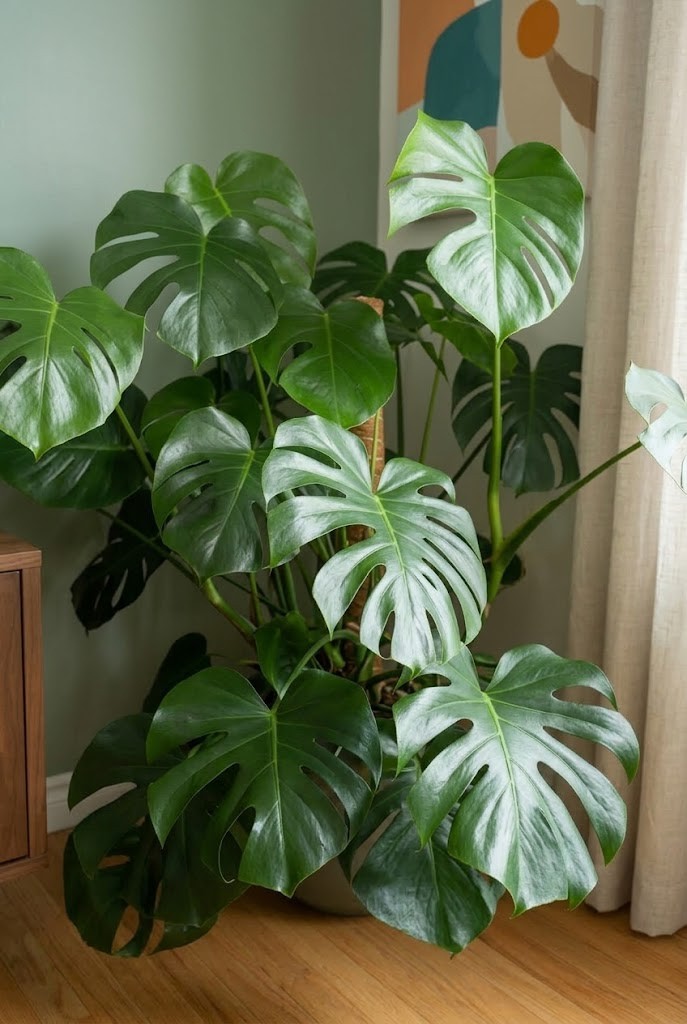
Some days your mind catches on everything—the mess, the noise, the unfinished stuff.
It’s a strong pick for bright corners that need one clear focal point. Those big split leaves make a space feel steadier fast, which is part of why monstera can be so grounding at home.
Bright, indirect light keeps it full; if the leaves get smaller and the stems stretch, it needs more window. If you have pets that chew first and think later, keep this one out of reach.
#2 — Calathea / Prayer Plant (Goeppertia spp.)
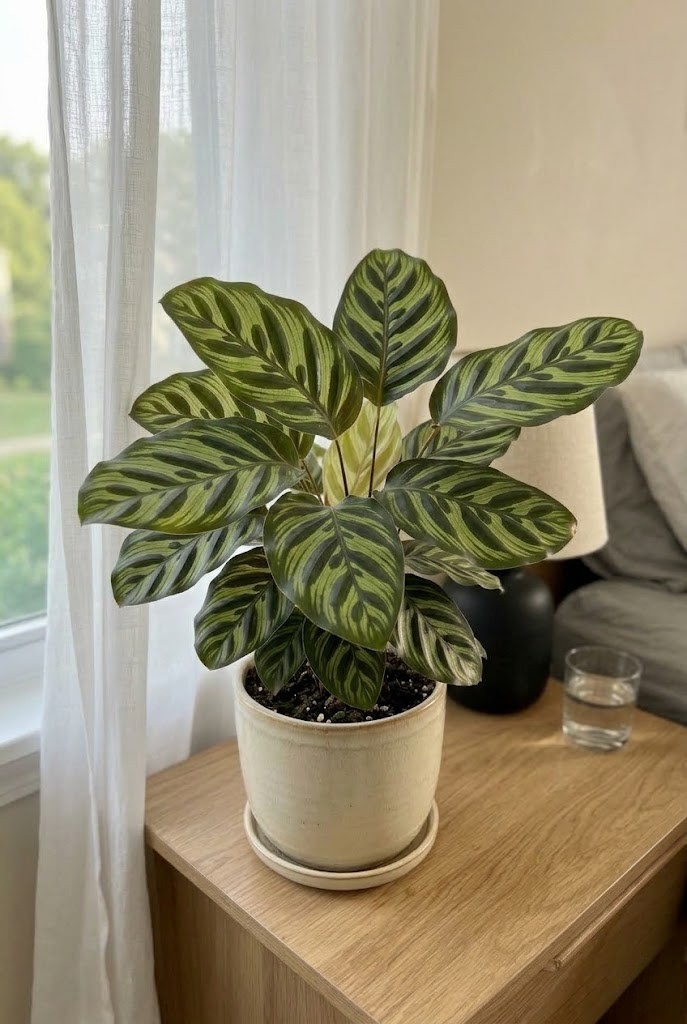
Calathea is a good plant for the days when you feel a little disconnected from yourself—not dramatic, just checked out, overstimulated, or weirdly absent in your own room.
Its leaves shift through the day, so it gives you something living to notice outside your own thoughts. On a stressed-out day, that can matter more than you’d think, especially if it sits somewhere you naturally pass.
Keep the soil lightly moist, and keep it away from vents unless you want crispy edges and an attitude. Hard tap water can rough it up too, so filtered water helps.
#3 — Rosemary (Salvia rosmarinus)
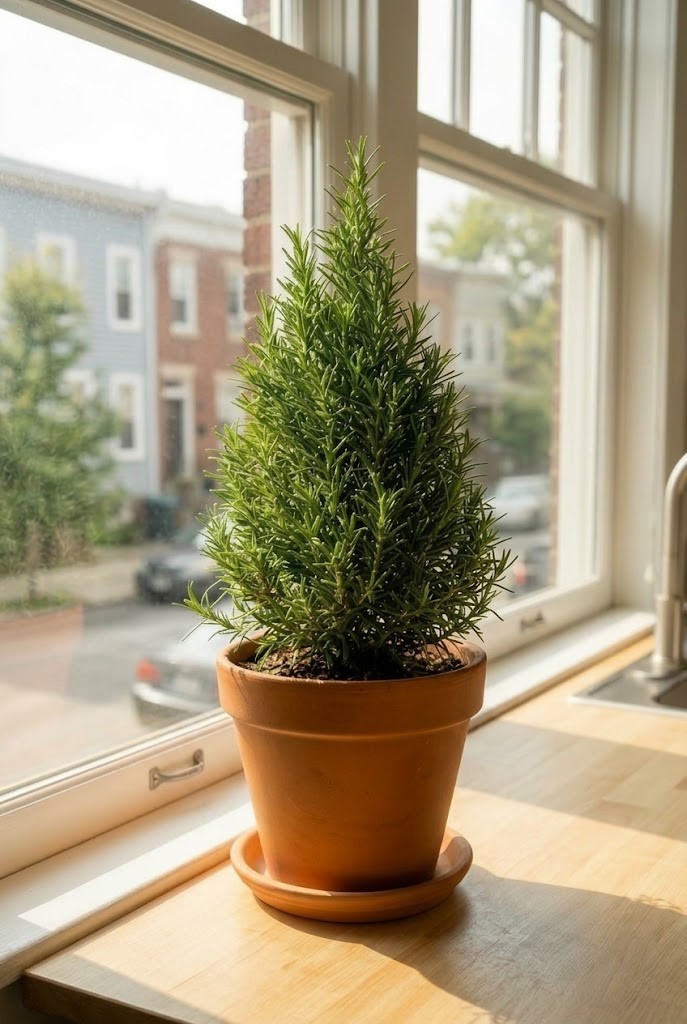
Rosemary isn’t really a soft-comfort plant. It’s better on foggy, flat, scattered days when everything feels harder to start than it should.
It works best in a sunny kitchen or near a desk—somewhere you can touch a leaf, breathe, and get moving again. It only earns its keep indoors if the light is strong.
Let the top inch or two of soil dry before watering. If it starts dropping needles, check the light before you blame yourself.
#4 — Orchids (Phalaenopsis)
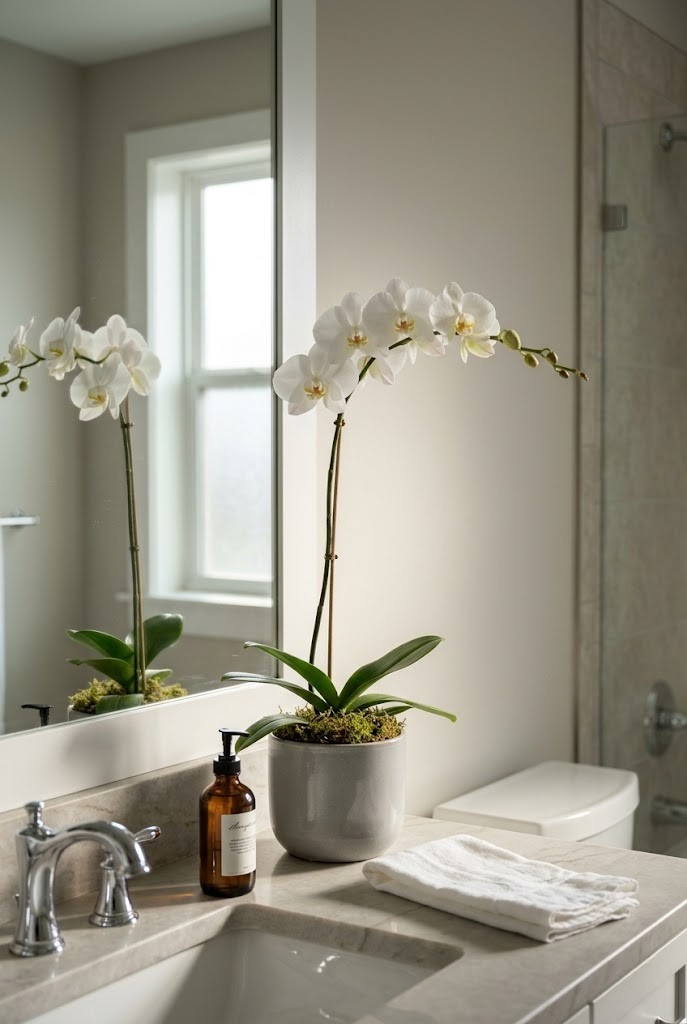
Orchids are for the part of you that needs a quieter pace. They reward patience, not panic.
You water it, let it drain, and leave it alone—and that slower rhythm can feel surprisingly good when everything else feels urgent. Keep it somewhere bright enough to enjoy every day, but out of harsh heat and splash.
The one thing not to do is let water sit in the crown, where the leaves meet. That is the fast track to rot, and orchids get much easier once you stop treating them like they need constant rescue.
#5 — Jade Plant (Crassula ovata)
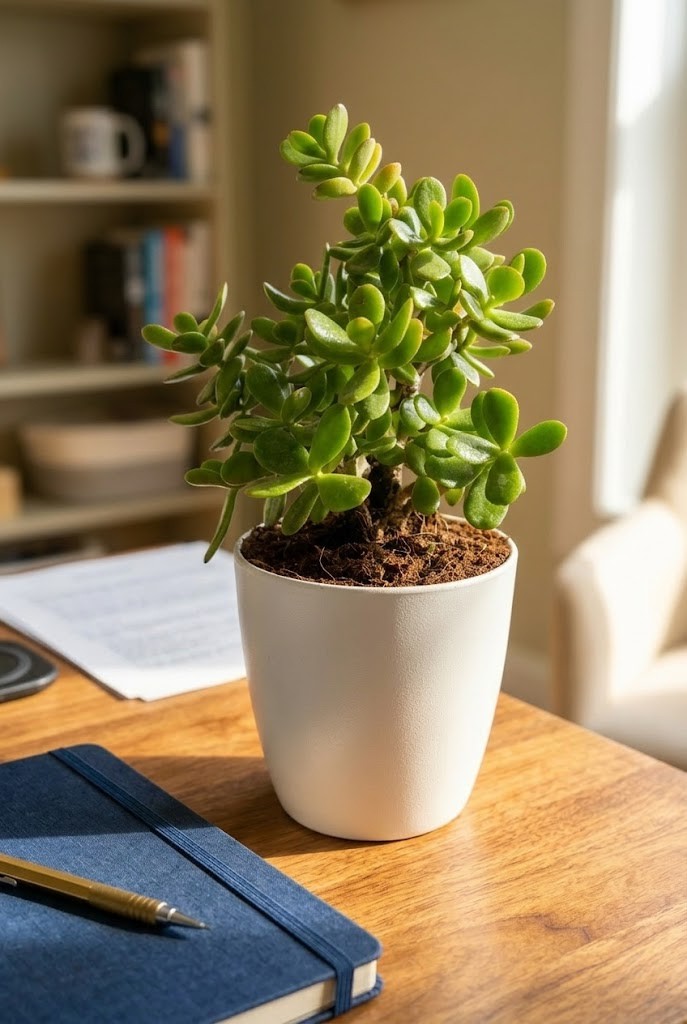
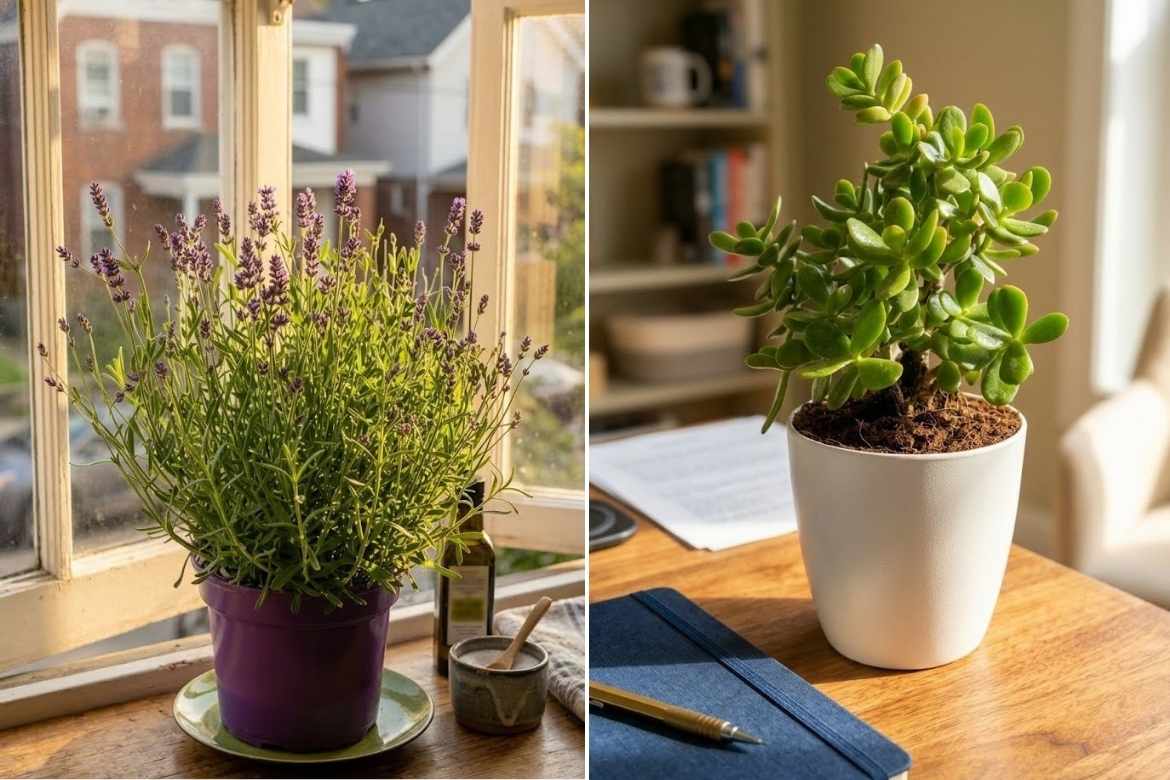
Jade is good on the days when you need a small win you probably won’t ruin by accident. It looks steady, grows slowly, and doesn’t collapse the second you forget about it for a weekend.
Some plants make you feel like you’re always one mistake away from failure; jade does the opposite. It’s especially good if you want something reliable you’ll see often, without a lot of drama attached.
Let the pot dry out fully before watering again. If the leaves wrinkle, it’s thirsty. If they turn soft or translucent, it’s getting too much water.
#6 — Lavender (Lavandula spp.)
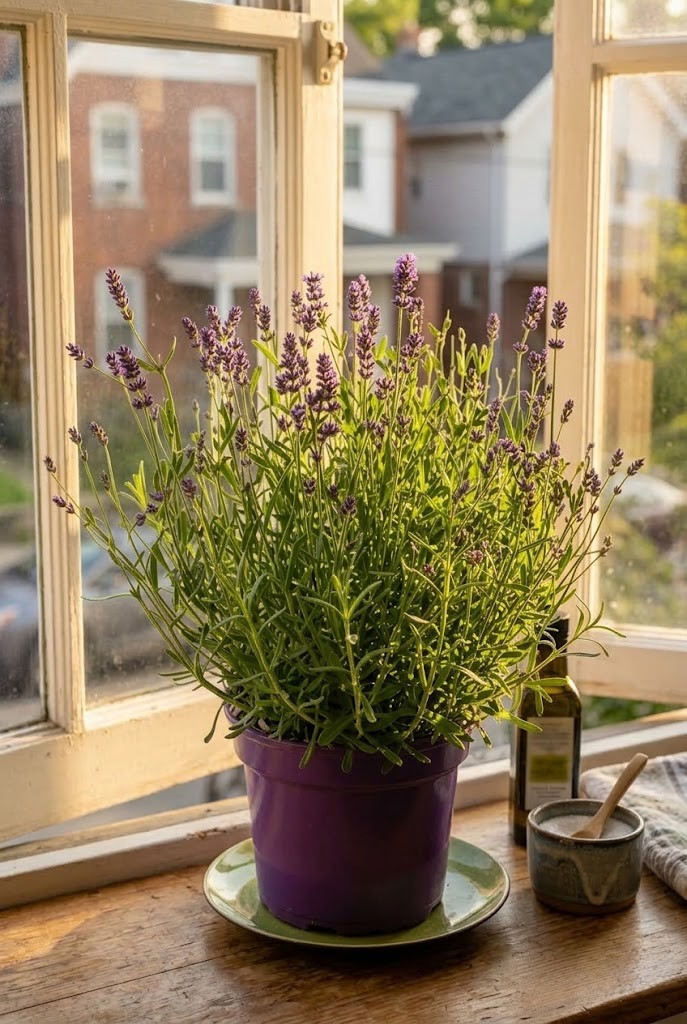
Lavender is best for those wound-too-tight evenings when your body is home, but your mind is still revving.
The color is soft, the scent is familiar, and even a quick brush of the leaves can feel like a cue to come down half a notch. It works best when it lives in a truly sunny spot you pass in the evening, so the plant becomes part of your real routine instead of just background decor.
It needs more sun than people think indoors, and it hates staying damp. If it looks droopy while the soil is still wet, don’t water again—give it more light and let it dry.
#7 — African Violet (Streptocarpus ionanthus)
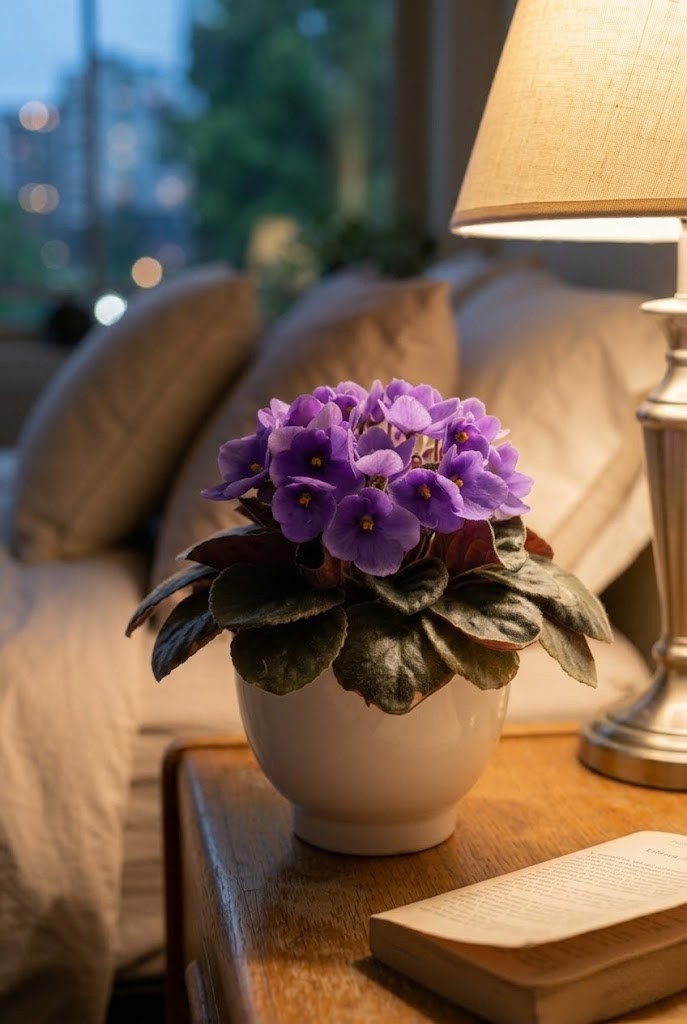
African violet is for the flat, gray kind of day when you want a little color without a lot of demand.
It’s a strong pick for small, close-up spots—a nightstand, vanity, or kitchen shelf where you’ll actually notice it. The blooms are cheerful without feeling loud, so it gives you a gentle lift without asking much from the space around it.
Give it bright, indirect light and water from the bottom so the leaves stay clean. If it stops blooming, it usually wants more light—not more watering.
#8 — Lemon Balm (Melissa officinalis)
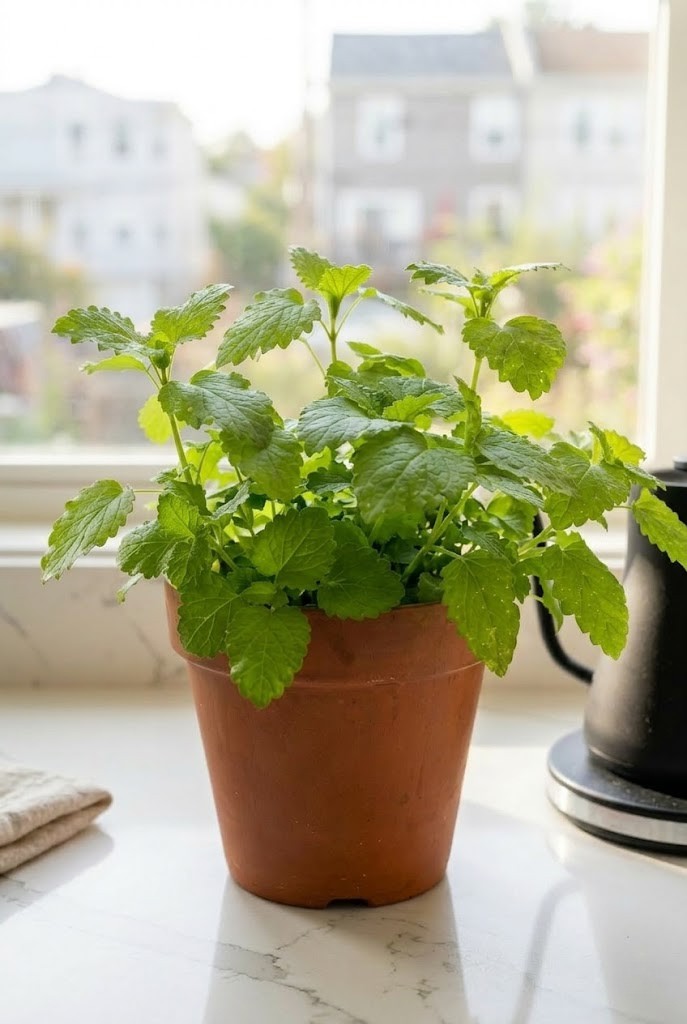
Lemon balm is a good one for mentally crowded days—the kind where your thoughts feel stale and overworked. The scent is light, fresh, and clarifying without being too much.
Brush the leaves, breathe once, move on. It’s not a deep ritual, which is exactly why it still works when you’re tired.
Like most herbs, it needs real sun indoors. Put it in your brightest window and water when the top inch of soil is dry. If it gets lanky, it’s asking for more light.
#9 — Air Plants (Tillandsia spp.)
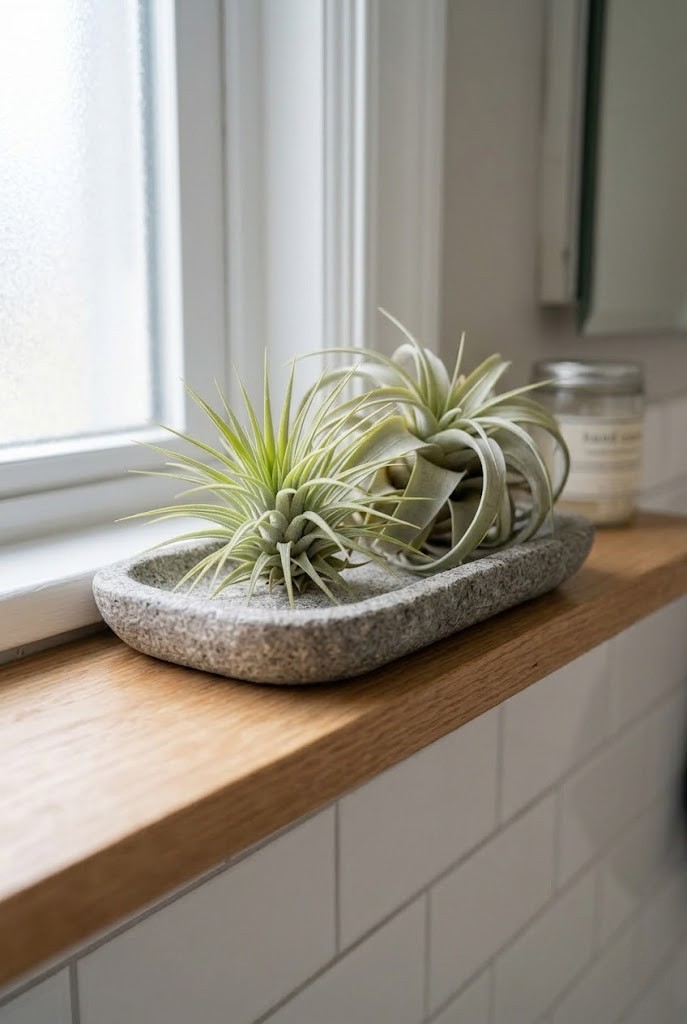
Air plants are great when you want something living around you but the idea of more stuff to manage makes you tired on sight.
They’re an especially good choice for small shelves, narrow ledges, and anyone who doesn’t want bulky pots or extra visual weight. Set a couple on a tray or bathroom shelf, and the room gets a little more life without asking much back.
Give them bright, indirect light and enough airflow to dry properly after soaking. A weekly soak is usually enough. The main mistake is leaving them wet in a closed corner, where they stay damp too long.
#10 — Jasmine (Jasminum spp., indoor-friendly types)
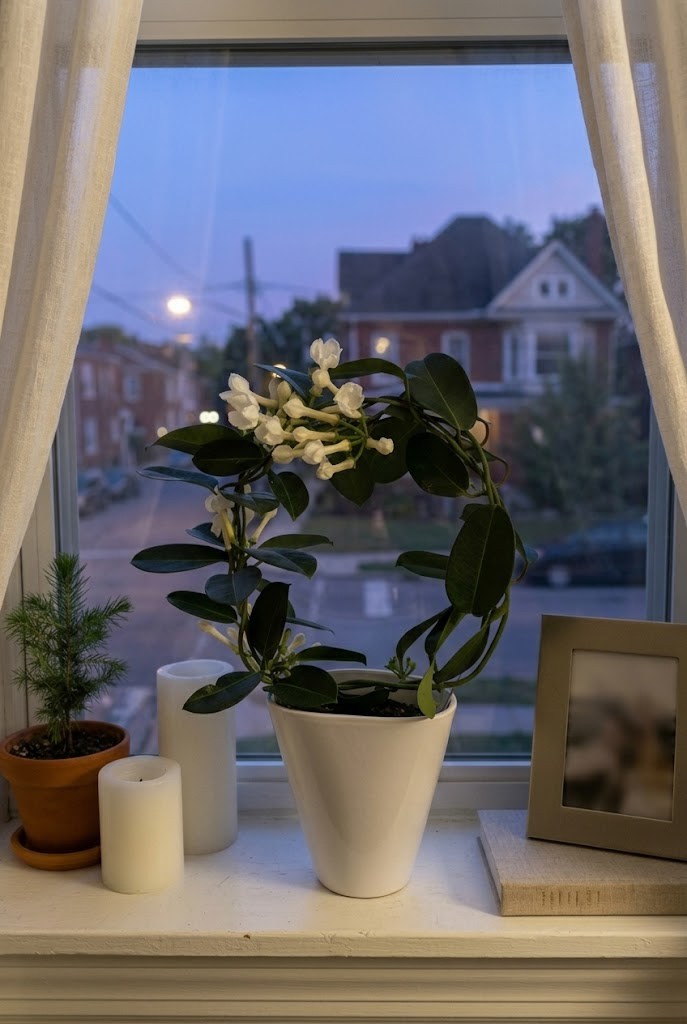
Jasmine is for the evenings when your brain is technically done for the day, but your body hasn’t gotten the memo yet.
It makes the most sense for fragrance people with a bright window—someone who wants a soft wind-down cue, not just another pretty plant. Keep it close enough to catch the scent lightly, not so close that it takes over the whole space.
Keep the soil evenly moist and give it bright light. If buds drop, it’s usually from dry swings or a sudden change in conditions—jasmine likes a steadier routine than people expect.
#11 — String of Pearls (Curio rowleyanus)
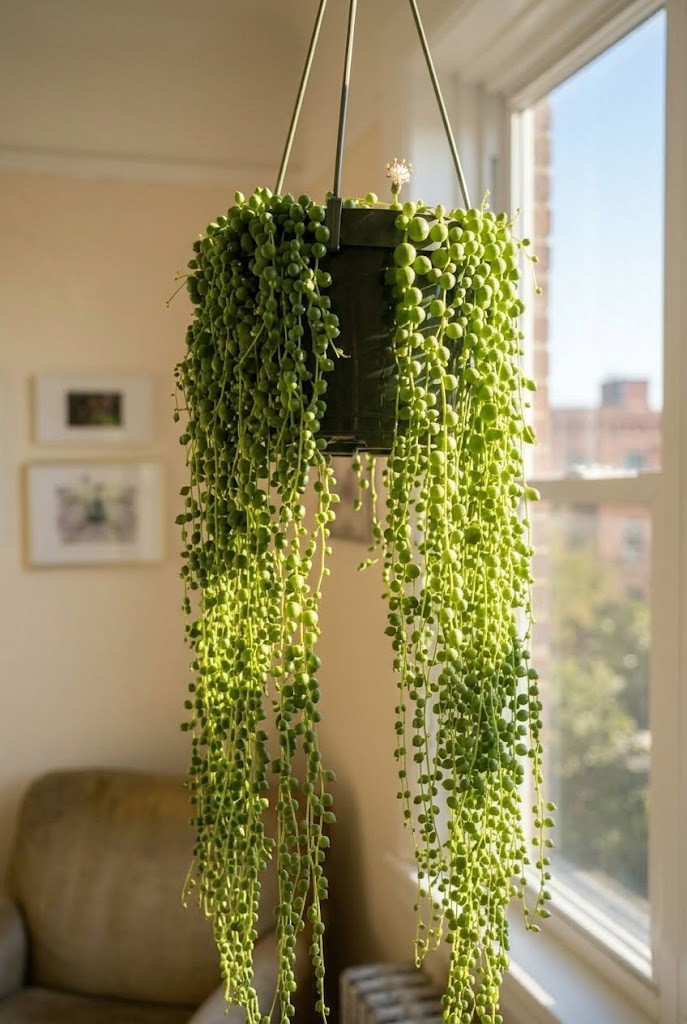
String of pearls helps on days when your thoughts feel stuck in the same groove.
It’s a good choice if you want something visually playful and a little unexpected—especially somewhere the strands can actually trail. That movement gives your eyes something different to follow, which can be surprisingly useful when your brain has been grinding the same gears all day.
Let the soil dry out fully, then water thoroughly. If the pearls go mushy, it’s too wet; if they shrivel, it waited too long. And yes, keep it away from pets that nibble first and ask questions never.
#12 — Eucalyptus (Eucalyptus spp.)
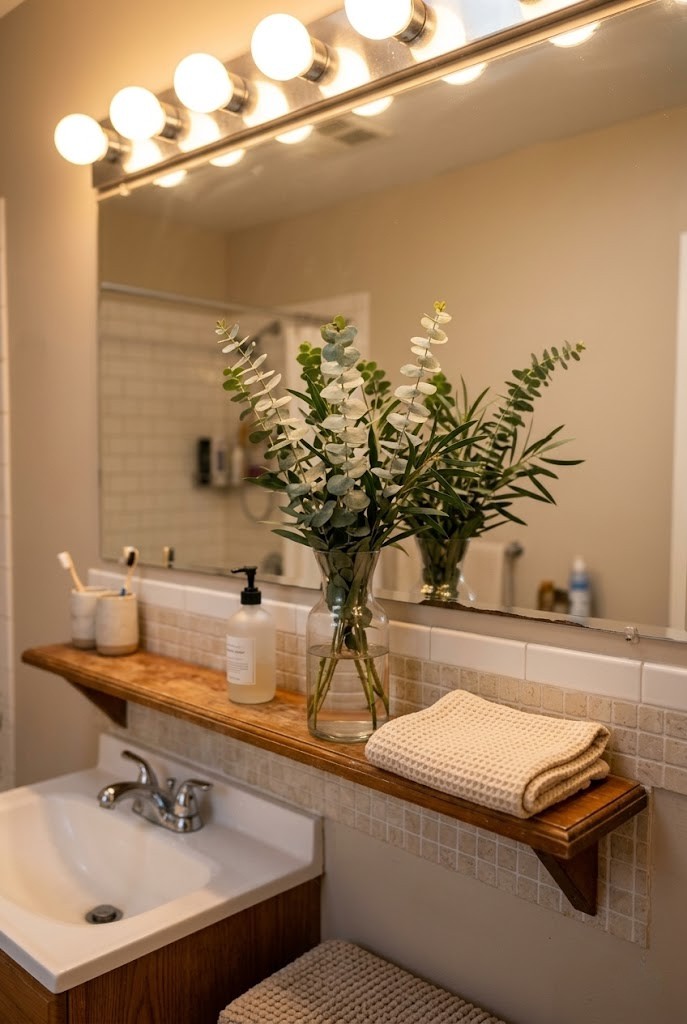
Eucalyptus is for those stale, heavy days when the room feels off before you can even say why.
It makes sense when you want the room to feel fresher fast, without adding another real care routine. For most homes, that means stems in a vase, not a potted plant.
If you’re scent-sensitive, give it more distance. Eucalyptus can feel crisp and clean in one home and way too much in another.
Closing thought
The best plant for mental health isn’t always the prettiest one.
It’s the one that gives you what you actually need that week—a visual anchor when your thoughts feel crowded, a small ritual when your days blur together, or one living thing to care for when everything else feels like too much.
If you want something steady and low-drama, start with jade or monstera.
If you want a gentler mindfulness cue, calathea or orchids make more sense.
If scent helps you come down at the end of the day, lavender, jasmine, or eucalyptus can work beautifully—as long as you actually enjoy the fragrance.
You do not need a whole jungle to feel better in your space.
Sometimes one plant in the right spot is enough to make the room feel less harsh—and the day a little easier to move through.