Table of Contents
Some plants simply make a room feel better. Snake plants are one of them — calm, sculptural, and nearly impossible to mess up.
But here’s the surprise: most people only know the basic green one. Meanwhile, collectors are out there enjoying silver Moonshines, pinstriped beauties, and even Whale Fins the size of your hand.
Truth is, snake plants come in shapes and colors that can totally shift the mood of a space — from cozy corners to modern, minimalist rooms.
Let’s look at ten standout varieties that collectors love. The last one is a real showstopper.
1. Laurentii — The Iconic Yellow-Edged Classic

Laurentii is the snake plant everyone recognizes — tall, upright leaves with crisp yellow edges. It anchors a room the way a good frame anchors a painting.
Place it where it can stretch a bit: hallways, corners, anywhere you need height without fuss.
It handles low light, but those yellow margins stay sharper in bright, indirect light.
2. Moonshine — The Misty Silver Minimalist
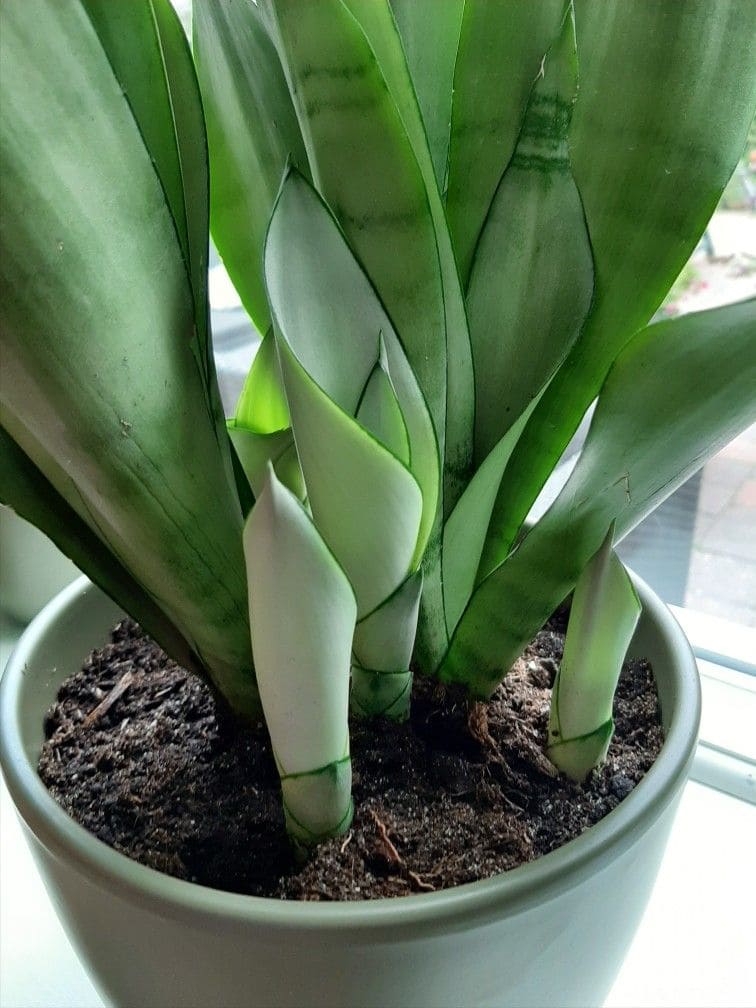
Moonshine’s pale silver leaves look like they’ve been rinsed in moonlight — calm, cool, and modern. It’s perfect for softening warm-toned rooms or adding contrast to darker spaces.
Give it medium to bright light to keep the silver glow. In dim rooms, the leaves deepen into sage green.
Water lightly; Moonshine thrives on simplicity.
3. Black Diamond — The Moody Dark Statement
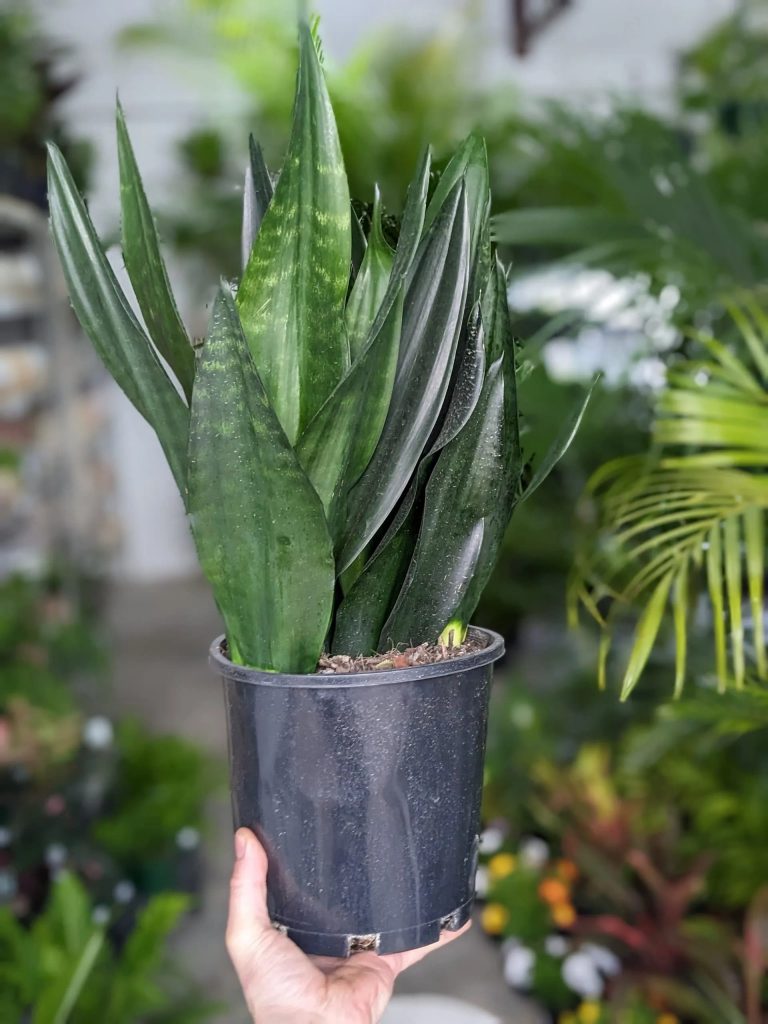
Black Diamond leans into drama with its deep, near-black foliage. It brings a quiet intensity to minimalist rooms and looks incredible against white walls or pale wood.
Low light makes it darker. Brighter light reveals a glossy green undertone.
As always with snake plants, less water is better than more.
4. Whale Fin (Masoniana) — The Giant Living Sculpture
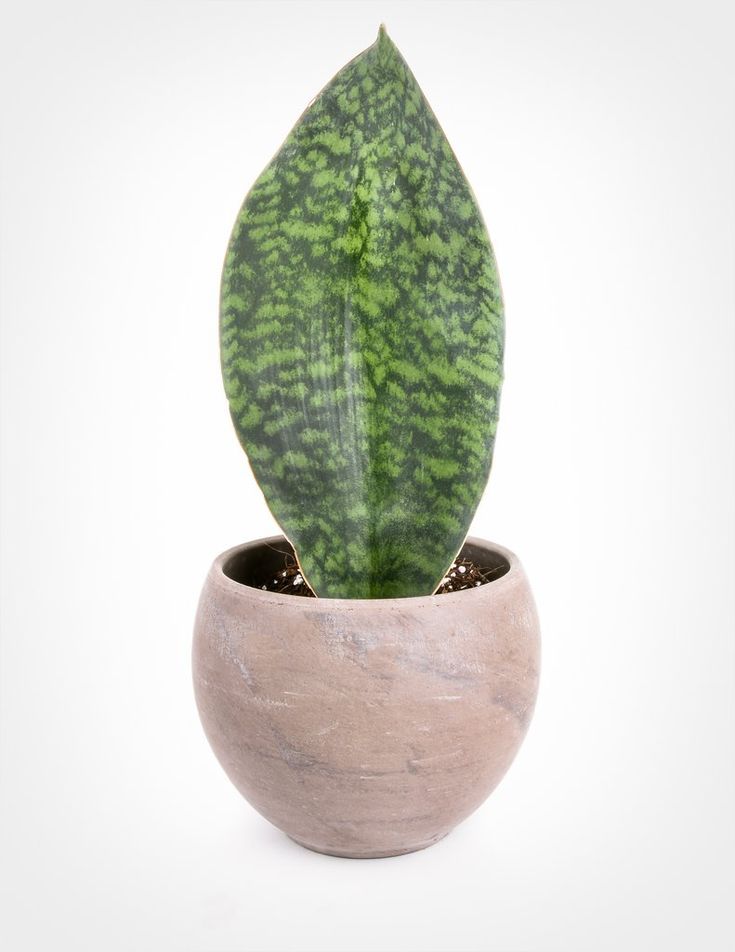
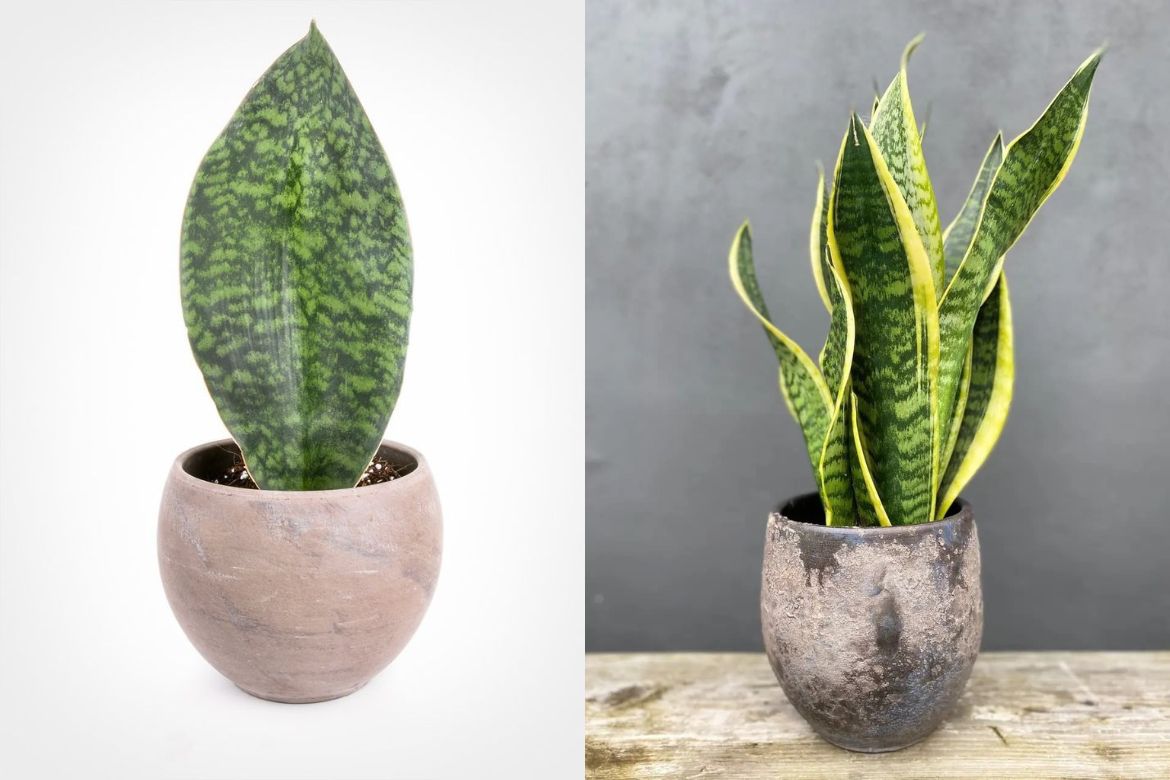
Whale Fin is the showstopper — a single massive leaf that stands like a fan. It feels like functional art, especially in modern or sculptural interiors.
It prefers bright, indirect light but adapts to softer rooms. Growth is slow, yet every new leaf feels like an event.
⚠️ Note: This variety is sensitive to wet soil. Use gritty mix and water sparingly.
5. Bantel’s Sensation — The Sleek Pinstripe Beauty
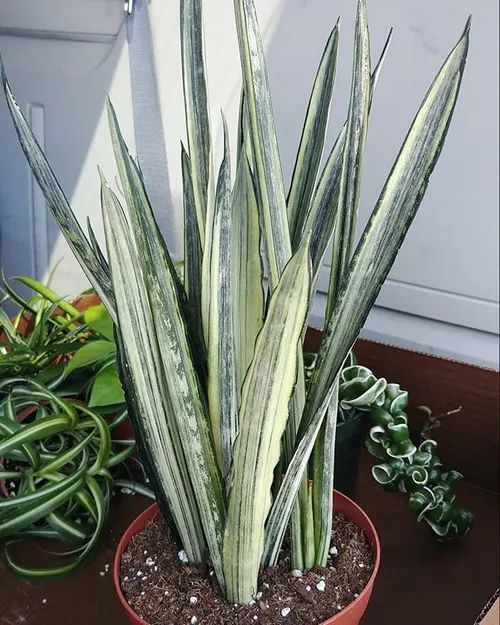
Bantel’s Sensation looks like it walked straight out of a modern design showroom. Tall, narrow leaves with crisp white pinstripes create a clean, architectural feel.
It shows its best color in bright, indirect light. In lower light, the stripes fade a bit but still stay elegant.
Go easy on the watering; the narrow leaves hold less moisture than you’d expect, so let the soil dry fully.
6. Futura Superba — The Small-Home Favorite
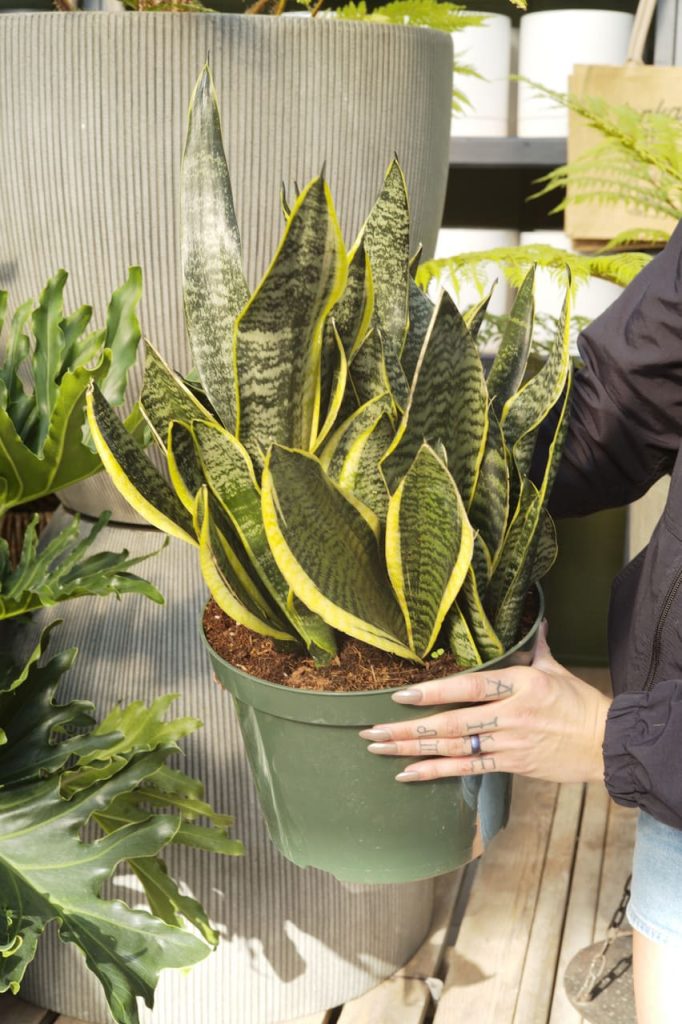
Think of Futura Superba as Laurentii’s compact cousin. Same golden edges, same classic look — just shorter, denser, and easier to tuck into smaller spaces.
It does well on desks, consoles, and windowsills where full-sized snake plants feel too tall.
Keep it in moderate to bright light for richer color, but it won’t complain if the room is dim.
7. Sayuri — The Elegant Soft-Grey Masterpiece
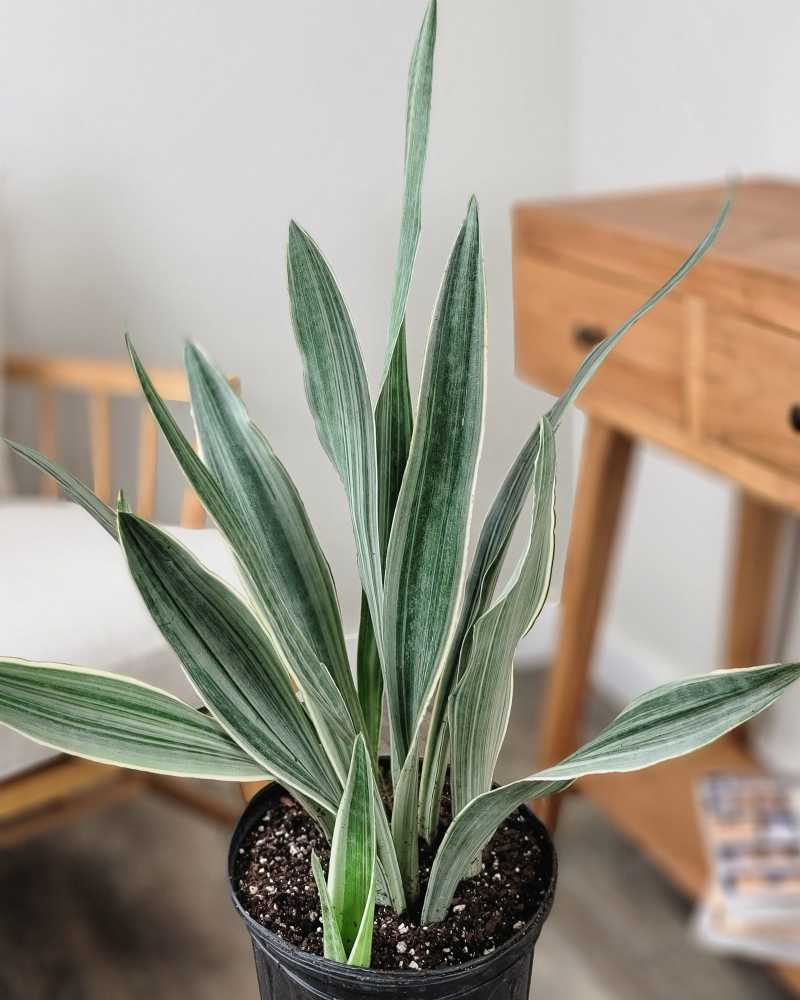
Sayuri brings a soft, brushed-silver look that immediately calms a room. The slender, slightly curved leaves feel refined — almost like fabric draped in place.
Medium to bright light keeps the grey tones crisp. In low light, the leaves shift toward sage, still beautiful in a quiet way.
This variety appreciates a little airflow; stagnant corners can dull its color over time.
8. Zeylanica — The Brushstroke Texture Lover
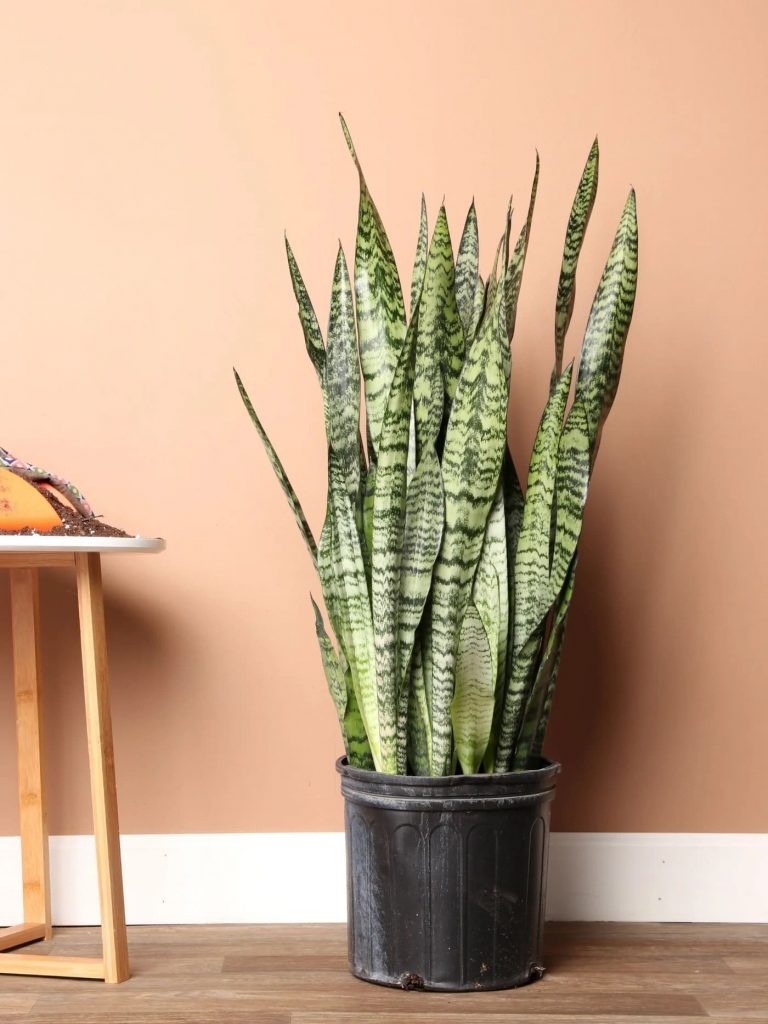
Zeylanica is all about organic texture — long, wavy leaves with marbled green brushstrokes. It feels natural, relaxed, and slightly wild in the best way.
It thrives almost anywhere, from shaded bedrooms to bright kitchens. More light brings out clearer striping.
Wipe the leaves occasionally; the pattern looks sharper when dust-free.
9. Golden Flame — The Sunlit Showoff
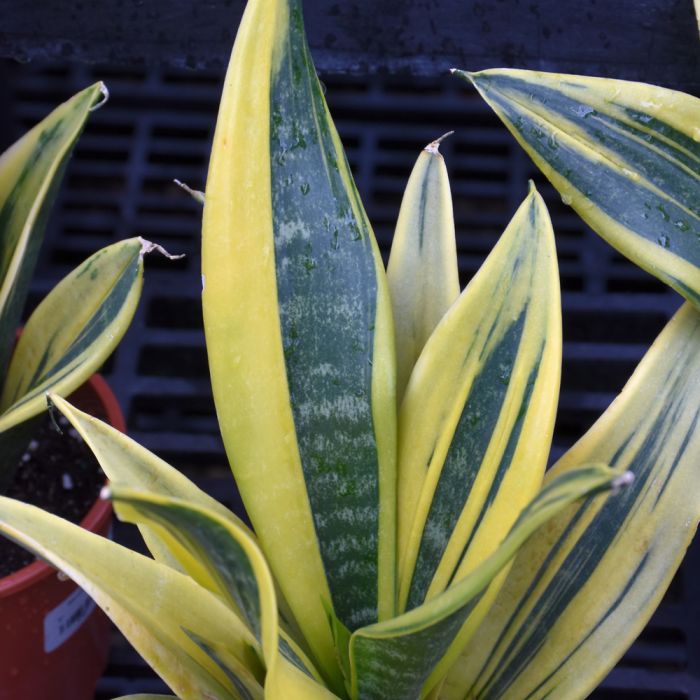
Rich green leaves ignite with wide, glowing yellow margins that look like flickering flames. It brings instant warmth to cool-toned rooms and stands out even in small spaces.
Keep it in bright, indirect light to maintain those bold yellow edges. In darker rooms, the glow softens but stays eye-catching.
10. Starfish (Cylindrica) — The Playful Sculptural Twist
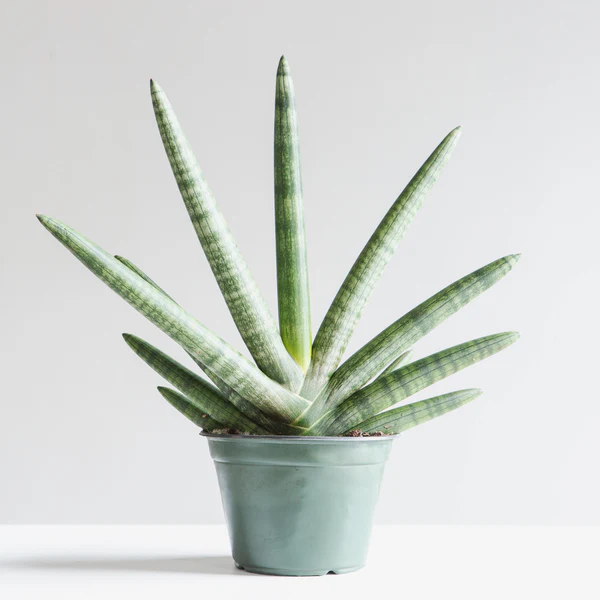
Starfish breaks away from the typical sword-like look. Its short, thick cylindrical leaves fan out in a star shape — compact, sculptural, and a little bit quirky.
It’s perfect for small apartments, shelves, and bedside tables where you want something interesting without taking up vertical space.
Bright, indirect light keeps the form tight and the color crisp. It’ll survive low light but may stretch slightly.
Caring for Snake Plants (Quick, Practical, Honest)
🌤 Light
Snake plants survive in low light but truly shine in bright, indirect light.
Harsh sun can fade variegation, especially on Moonshine, Sayuri, and Golden Flame.
💧 Water
Let the soil go bone-dry before watering again.
Most people kill snake plants by being “too caring.”
In winter, stretch watering to every 4–6 weeks.
🪨 Soil & Potting
Use a gritty mix (succulent or cactus blend).
Drainage holes are non-negotiable — these plants hate wet feet.
🌡 Temperature
They’re happiest in warm rooms, 65–85°F.
Cold drafts or floors slow growth and can cause soft, mushy leaves.
🌱 Propagation
Division is the quickest, cleanest method.
Leaf cuttings work but root slowly and may lose variegation.
⚠️ Note on Pets
Snake plants are mildly toxic to cats and dogs if chewed.
Keep them out of reach of curious pets.
⭐ Conclusion
Snake plants are the rare kind of houseplant that check every box — tough, stylish, and endlessly varied. Some feel bold, like Black Diamond. Others feel serene, like Moonshine or Sayuri. And then there’s Whale Fin and Starfish, turning any corner into a mini art installation.
Pick one that matches the mood of your home… or start a small collection and let each plant tell its own story. Either way, they’ll quietly make your space feel better — day after day.
❓FAQ
1) Are snake plants really good for low-light rooms?
They tolerate low light well, but their colors look richer in bright, indirect light. Variegated types (Laurentii, Golden Flame) fade in dim rooms.
2) How often should I water a snake plant?
Only when the soil is completely dry. Depending on your home’s light and humidity, that’s usually every 2–4 weeks — less in winter.
3) Why is my snake plant getting soft or mushy leaves?
That’s classic overwatering. Check your soil mix, drainage holes, and watering frequency. Snake plants prefer drought over soggy roots.