Table of Contents
Medical Disclaimer: This article is for informational and lifestyle purposes. While these plants are known to support indoor air quality, they are not a substitute for professional medical advice. Always consult with your doctor if you have severe respiratory concerns.
That heavy, stuffy feeling in a bedroom closed off all night, or the sharp scent of leather and glue from a new sofa that leaves your throat dry, are the daily frictions a sensitive respiratory system faces.
In an effort to green up a space, many inadvertently choose plants with drifting pollen or high water needs that turn the soil into a mold trap.
The plants on this list are curated to help manage these specific frustrations: they support the reduction of volatile chemicals and fine dust without adding a burden to your lungs.
#1 — Snake Plant (Sansevieria)
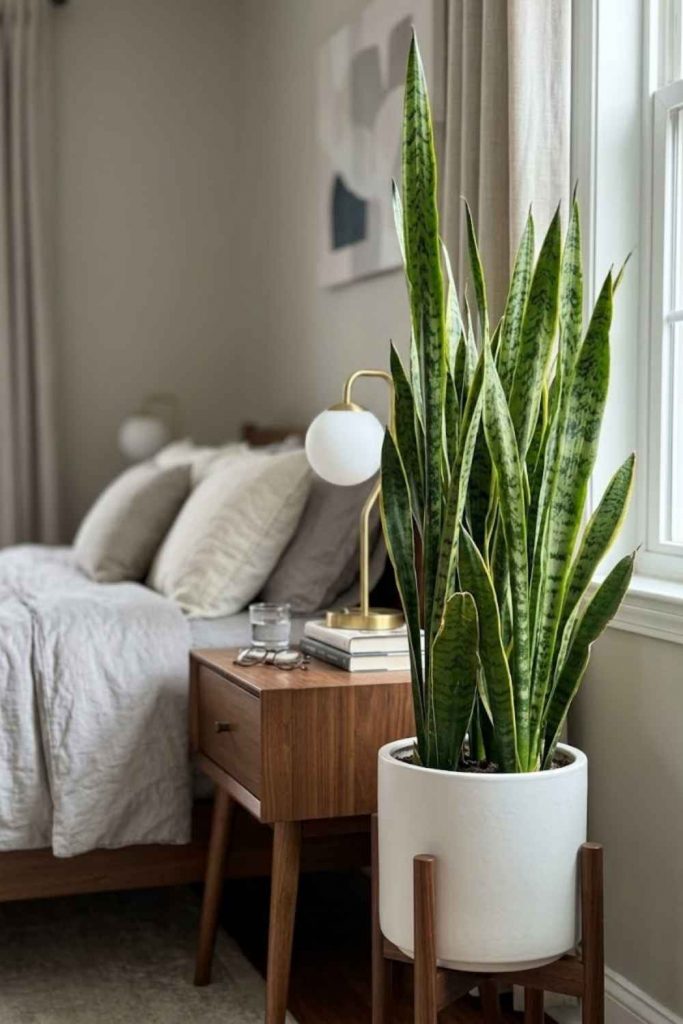
If you frequently wake up feeling congested in a poorly ventilated space, the Snake Plant is a rare night-watch that releases oxygen while you sleep, which can help support a fresher environment.
Its stiff, upright leaves are the answer for narrow gaps next to closets or nightstands where floor space is limited.
You only need to water it when the soil is bone-dry—typically every 3 weeks. It is toxic to cats and dogs, and the biggest mistake is overwatering, which invites mold into the soil.
#2 — Peace Lily (Spathiphyllum)
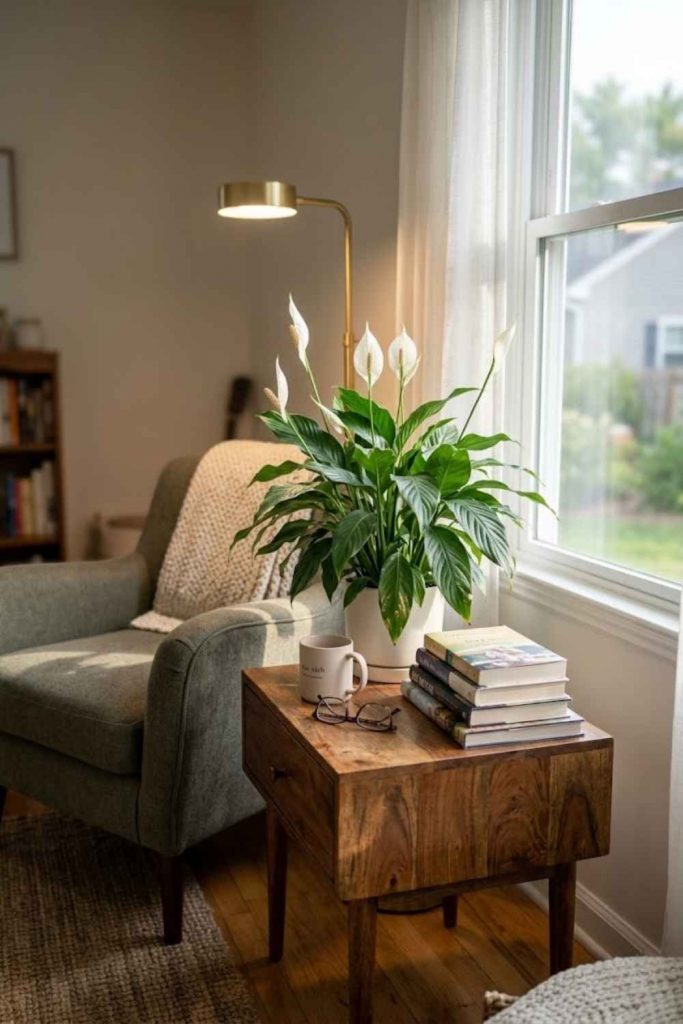
Most flowering plants are a nightmare for allergies, but the Peace Lily’s pollen is heavy and sticky, so it stays on the plant rather than drifting through your home.
It offers a sharp white contrast to its deep green foliage, softening the look of a library corner. The plant will visibly droop when thirsty, taking the guesswork out of watering.
Beyond aesthetics, it supports the reduction of airborne mold spores and common household chemicals. It is highly toxic to pets; place it on a high shelf and pinch off the flower buds as they emerge if you are hypersensitive.
#3 — English Ivy (Hedera Helix)
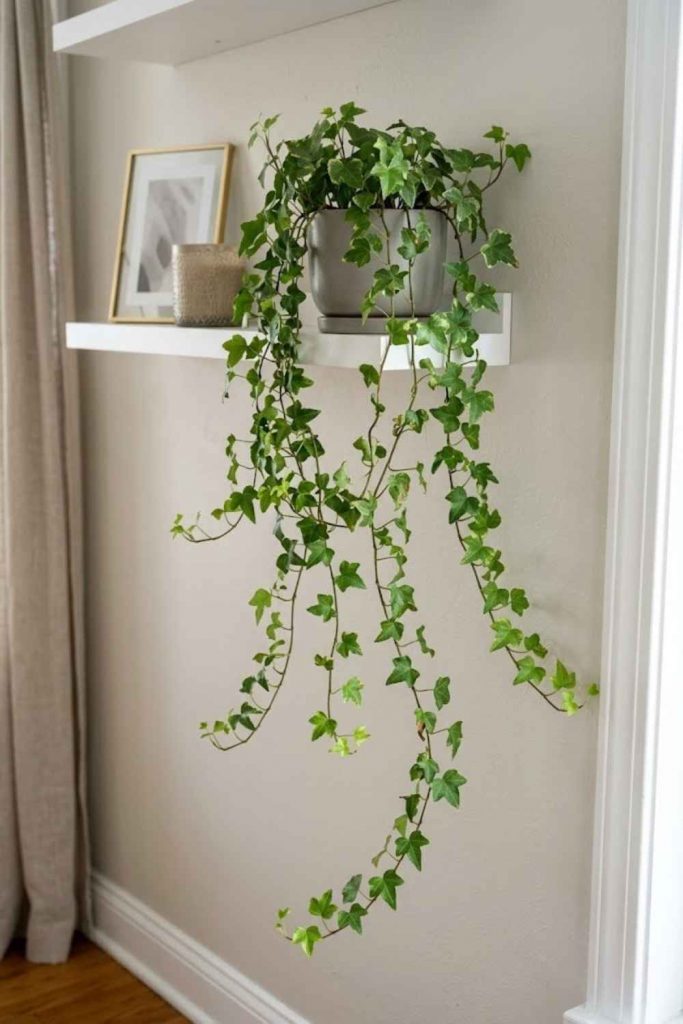
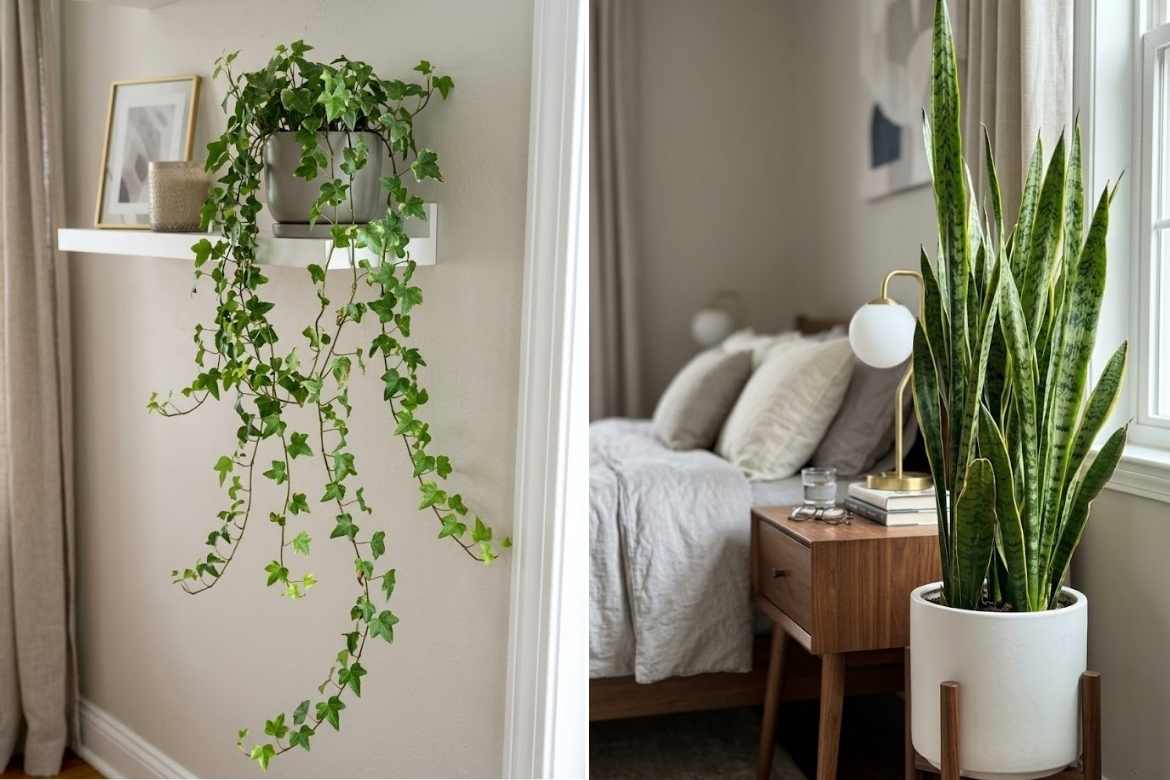
In damp bathrooms or small city apartments, English Ivy assists in reducing airborne mold spores—a major asthma trigger.
Its star-shaped leaves provide a soft texture when cascading from a high shelf. It suits indirect light and steady moisture.
Because it is toxic to pets, ensure it is hung high enough, and use a well-draining pot to prevent the plant from becoming a mold source itself due to stagnant water.
#4 — Aloe Vera
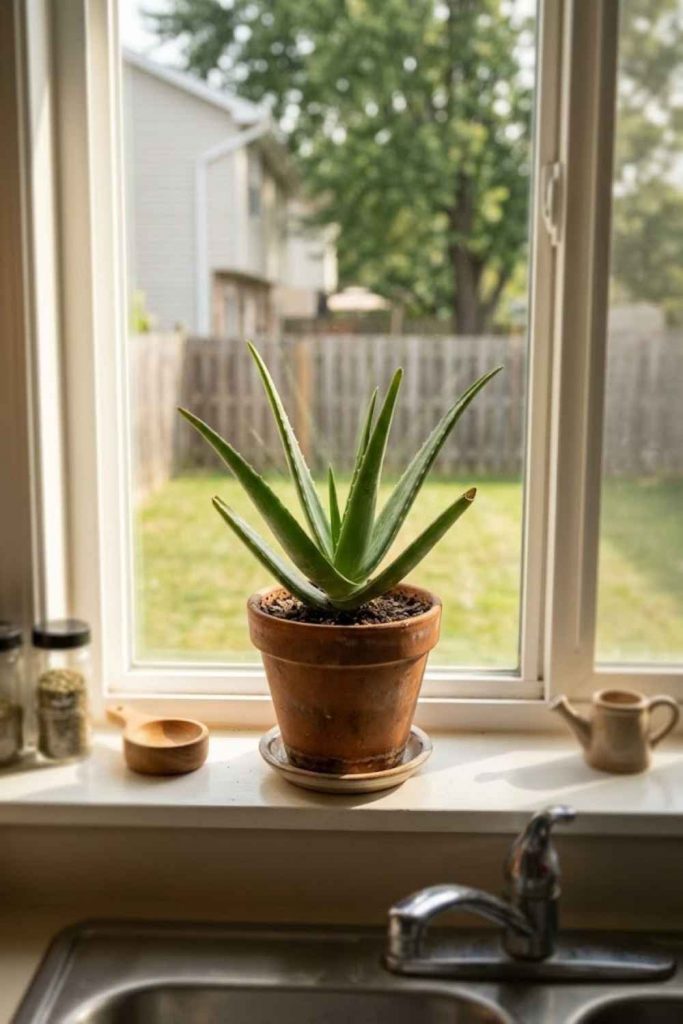
A sunny kitchen windowsill is the ideal spot for Aloe Vera. It releases oxygen at night and provides a cooling gel that can help soothe minor kitchen burns during cooking.
The most common pitfall is overwatering, which rots the roots and invites allergens into the soil.
Aloe is exceptionally drought-tolerant; let the soil dry out entirely before watering again. This plant is not pet-friendly.
#5 — Golden Pothos (Devil’s Ivy)
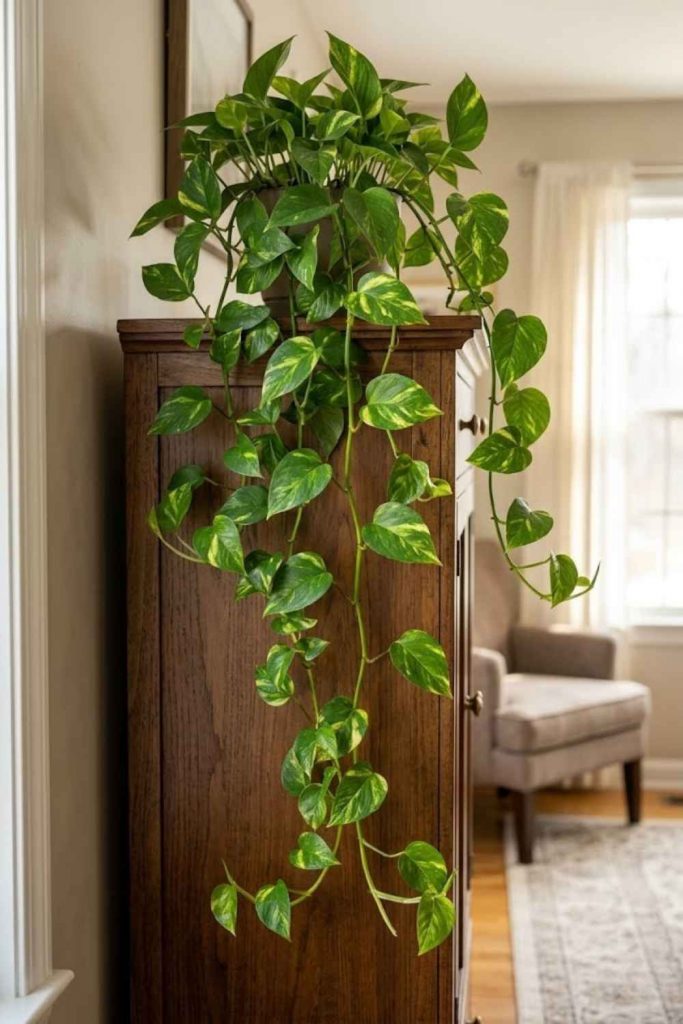
If you have a history of killing plants, start here. It supports the reduction of formaldehyde commonly found in new carpets and engineered wood furniture.
Its variegated leaves grow quickly, filling empty shelves with minimal effort. The glossy leaf surface allows you to wipe away dust in seconds with a damp cloth.
Be aware that the sap can cause skin irritation—wear gloves when pruning and keep it away from pets.
#6 — Dragon Tree (Dracaena Marginata)
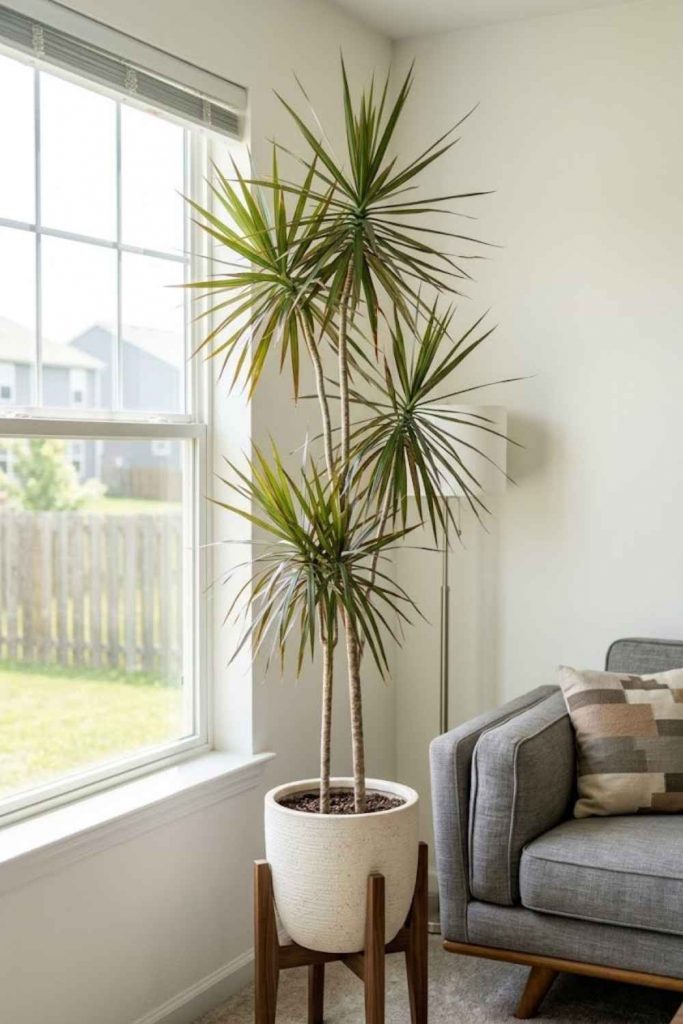
The Dragon Tree is a simple way to add height to a living room without worrying about soil mold, thanks to its inherent drought tolerance.
Its pointed leaves help catch floating dust, acting as a natural trap before particles enter your lungs.
Because the leaves handle dust so well, make it a habit to wipe them down biweekly. It thrives in bright, indirect light and is toxic to cats and dogs.
#7 — Parlor Palm (Chamaedorea Elegans)
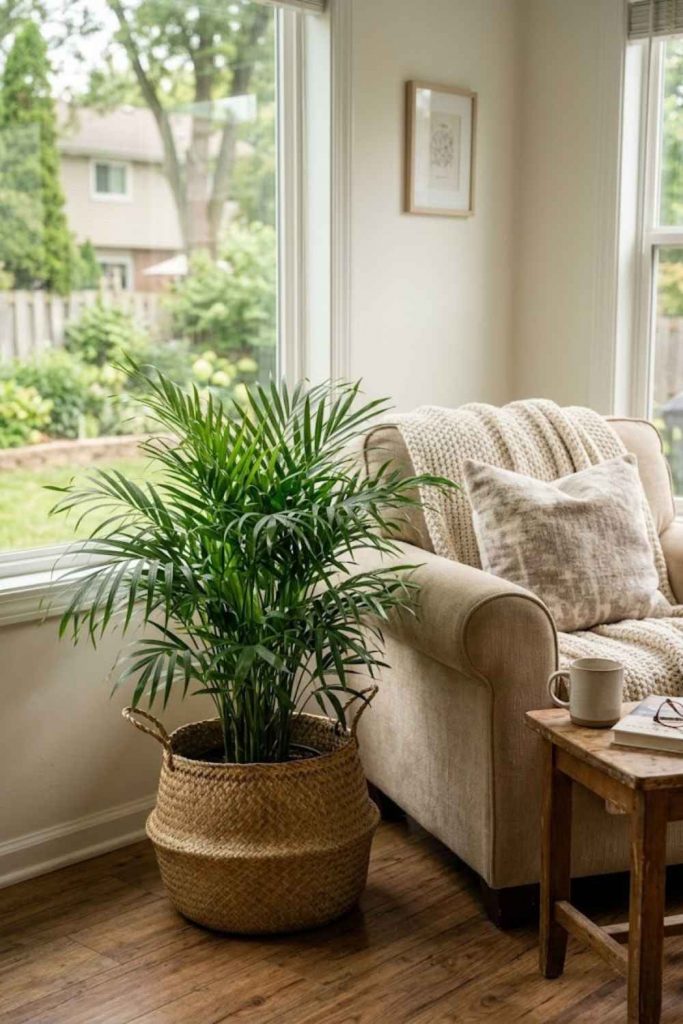
This is the safest bet for households with small children and pets as it is completely non-toxic.
Beyond safety, it assists in maintaining moisture levels, which can help soothe dry throats caused by air conditioning. Its feathery fronds bring an airy feel to shared living spaces.
Ask for a “female” plant at the nursery to avoid pollen. It handles medium light well and requires very little maintenance.
#8 — Rubber Tree (Ficus Elastica)
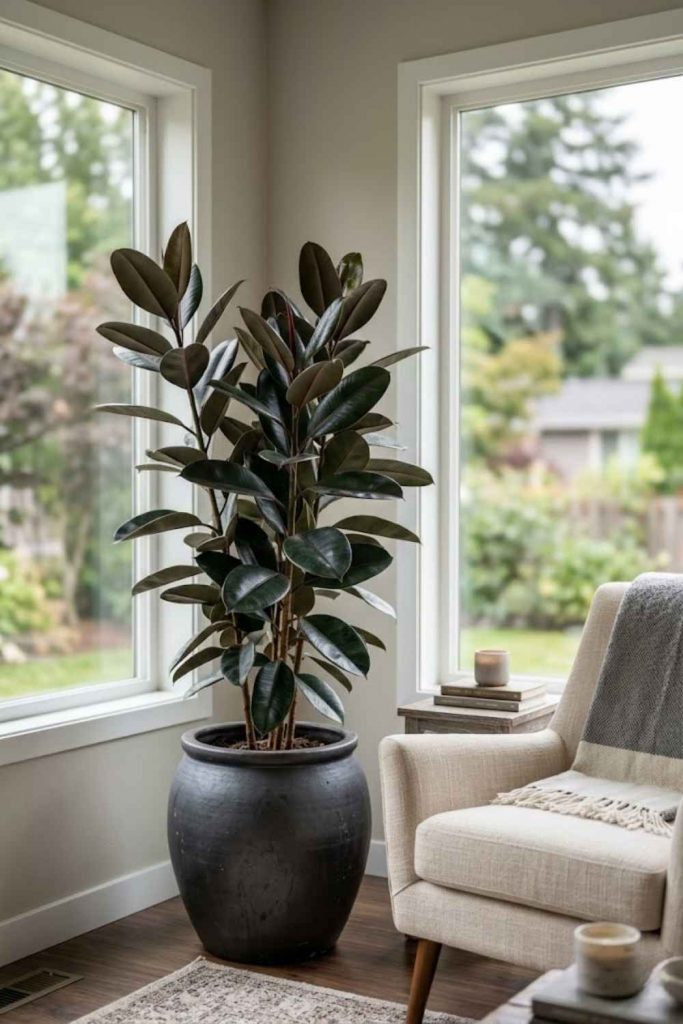
The Rubber Tree is a sturdy addition for newly renovated homes, known for supporting the reduction of volatile organic compounds (VOCs).
Its massive, waxy leaves bring a sophisticated presence to a sofa corner. Place it in bright, indirect light to keep the leaves shiny.
The milky sap contains natural latex, which can irritate your skin if you have a latex sensitivity. It is also toxic to pets, so keep it in a stable spot where it won’t be bumped.
Conclusion
Choosing plants for a sensitive household is about matching the right supportive role with your maintenance routine.
To choose confidently:
- For households with pets: The Parlor Palm is the safest option.
- To help manage mold concerns: English Ivy and Dragon Tree are the best fits.
- To assist with new furniture scents: Rubber Tree and Golden Pothos are the workhorses you need.
The golden rule remains regular dusting. Large leaves are perfect landing pads for dust; a quick wipe with a damp cloth every two weeks ensures your plants continue to help manage air quality without recirculating dust back into your lungs.