Table of Contents
Snake plants are famous for being low-maintenance, but “low-maintenance” doesn’t mean “no rules.”
Once you understand how they store water, use light, and respond to stress, you’ll know exactly how to keep them thriving for years.
Here are the most practical, expert-level facts every owner should know.
1. The Name Changed, But Care Stays the Same
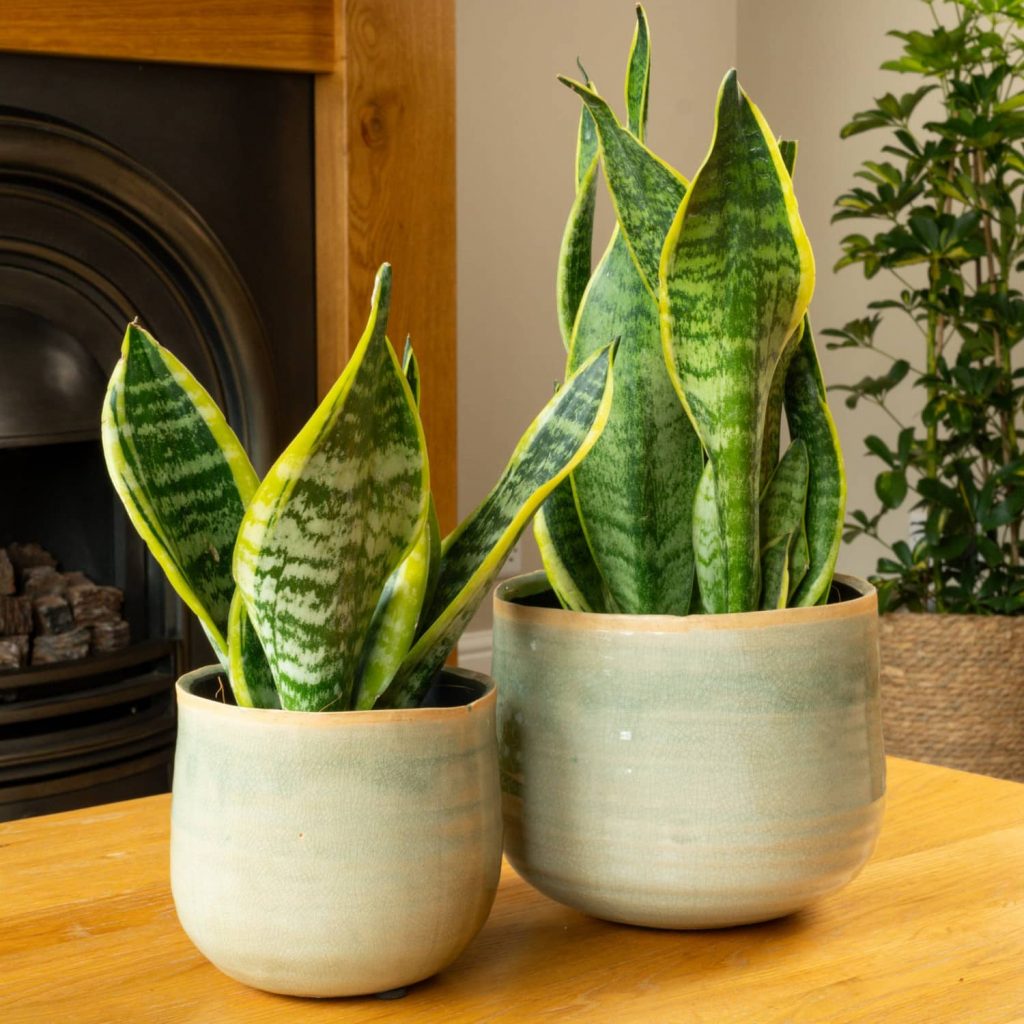
Reclassified from Sansevieria to Dracaena trifasciata, snake plants kept all the same care needs.
Nothing about your routine needs changing.
2. Dozens of Cultivars for Every Style
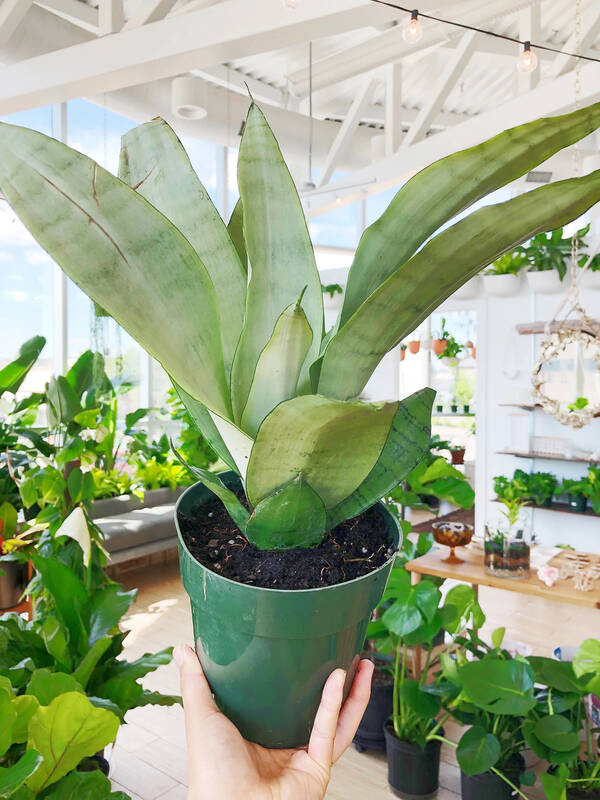
Snake plants come in far more shapes and colors than most people realize.
Classic varieties like Moonshine (silvery leaves), Zeylanica (striped green), and Whitney (compact rosettes) are timeless staples.
And if you want something truly sculptural, the trending Whale Fin (Masoniana) brings bold, oversized, paddle-shaped leaves that instantly stand out in modern interiors.
Mixing cultivars gives your home a curated, architectural look without adding any extra maintenance.
3. Overwatering Is the Main Killer
These plants evolved to store water in their thick leaves, so they thrive on long dry periods.
Water only when the soil is completely dry—underwatering is always safer.
If you’re unsure whether to water, wait another few days.
4. They Tolerate Low Light, But Don’t Thrive There
Snake plants survive in dim corners, but growth nearly stops.
If you want new leaves and richer color, give them bright, indirect light for several hours each day.
Avoid harsh midday sun, which can bleach the leaf edges.
5. Propagation Is Easy—But Only Division Preserves Variegation
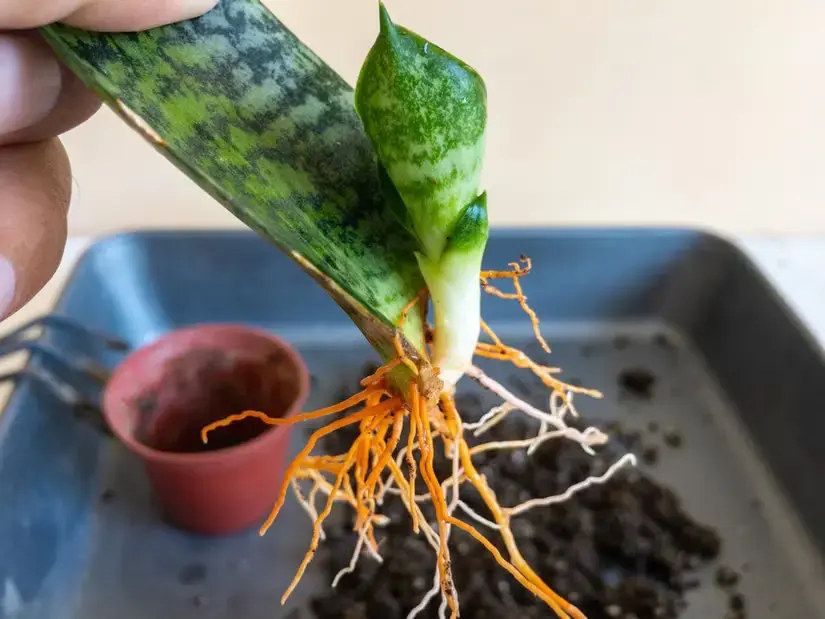
Leaf cuttings grow new plants but lose the original stripes or yellow margins.
Divide mature clusters if you want a perfect clone of the mother plant.
6. Yes—NASA Tested Them for Air Purification
Snake plants were included in NASA’s Clean Air Study and can absorb certain indoor pollutants, including benzene and formaldehyde, under controlled conditions.
Their CAM metabolism allows them to take in carbon dioxide at night, which is why they’re often recommended for bedrooms.
These benefits are real but modest—plants can complement good indoor air quality, but they don’t replace proper ventilation.
7. Root Rot Happens Before You Notice Symptoms
By the time leaves feel mushy or smell sour, the roots may already be damaged.
Use a very fast-draining soil mix and always empty saucers after watering to prevent rot.
8. Pruning Keeps the Shape Tight and Clean
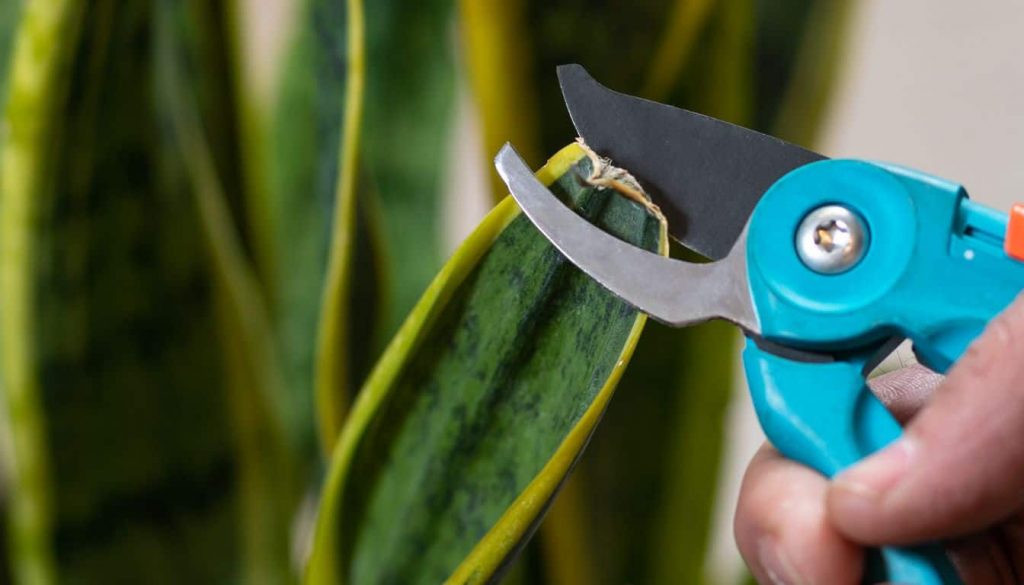
Remove damaged, drooping, or curling leaves by cutting at the soil line.
This keeps the plant looking upright and sculptural.
Cutting leaves does not cause branching—snake plants grow from the rhizome, not leaf nodes.
9. They Prefer Warm, Stable Temperatures
Ideal range: 60–85°F (15–29°C).
Cold drafts, AC vents, or winter windowsills can cause leaf creasing or collapse.
Sudden overnight drops are a common cause of scars and wrinkles on the foliage.
10. Slow Growth Is Normal
Most snake plants produce only a few new leaves per year.
This slow, steady pace is completely normal and perfect for low-maintenance homes.
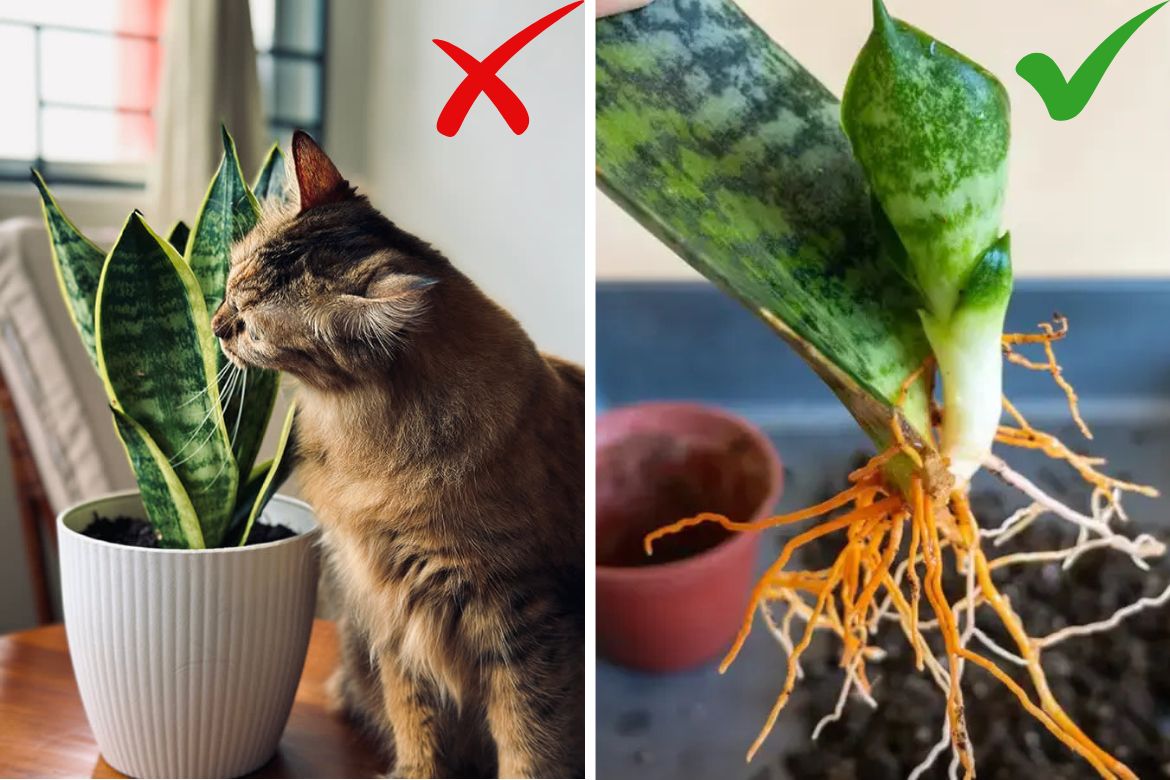
11. Toxic to Pets if Chewed
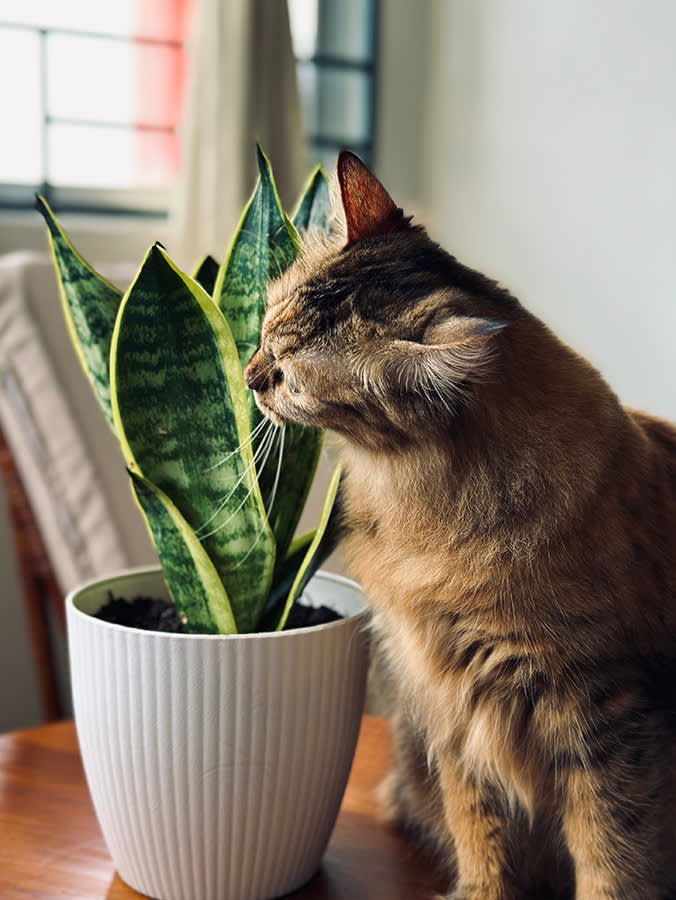
Snake plants contain saponins that can upset a dog or cat’s stomach.
Symptoms are usually mild, but it’s best to keep the plant out of reach of nibblers.
12. Repotting Every 2–3 Years Is Enough
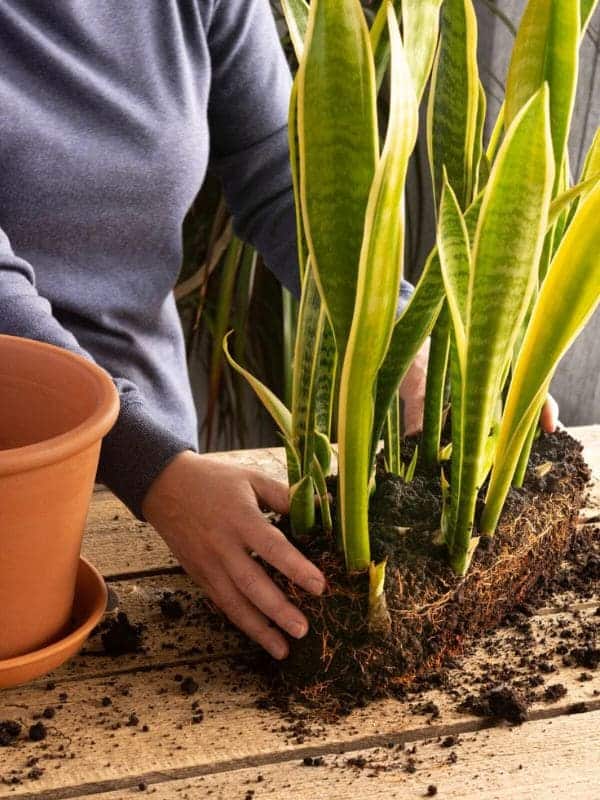
Snake plants actually prefer being slightly root-bound—it stabilizes their upright leaves and encourages controlled growth.
Repot only when the pot bulges, cracks, or when roots begin circling the top or escaping the drainage holes.
Move up just one pot size. A heavier pot can help prevent tall varieties from tipping over.
13. Blooming Happens Under Mild, Controlled Stress
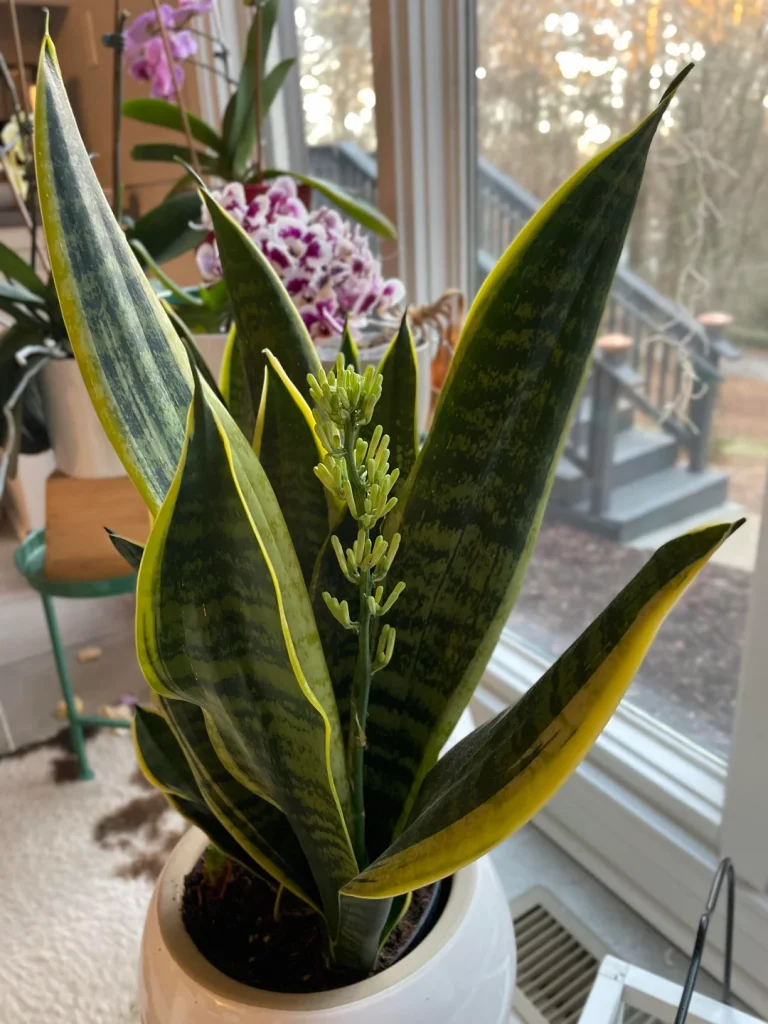
Snake plants can produce tall, fragrant flower spikes, usually when they’re slightly root-bound and kept on a steady dry-down schedule in bright light.
The blooms are surprisingly fragrant—similar to jasmine—and often release scent at night.
14. Fertilize Sparingly
Feed lightly during spring and summer with a diluted balanced liquid fertilizer.
Too much fertilizer causes weak, floppy leaves that lose their architectural shape.
Skip feeding entirely in winter.
15. Naturally Pest-Resistant, But Not Pest-Proof
While tough, snake plants can still get mealybugs, spider mites, or scale.
A sudden spike in spider mites often signals overly dry indoor air.
Treat early with alcohol swabs or neem oil.
16. Soil Choice Makes a Bigger Difference Than You Think
Snake plants hate compact soil.
The ideal mix contains 50–70% gritty, fast-draining material (pumice, perlite, coarse sand) plus high-quality potting soil.
A simple ratio of 2 parts potting mix + 1 part pumice works for most homes and greatly reduces the risk of rot.
FAQs
1. Why is my snake plant not growing?
Usually it’s low light or too frequent watering.
Increase brightness and let the soil fully dry before watering again.
Growth is naturally slow, so expect only a few new leaves yearly.
2. Can I keep a snake plant in direct sunlight?
Morning sun is fine, but harsh afternoon sun can bleach or scorch the leaves.
Bright, indirect light is the safest long-term placement.
3. What’s the best way to water a snake plant?
Water deeply, let excess drain, and do not water again until the soil is completely dry.
Bottom-watering works well for preventing rot in tall, narrow pots.