Table of Contents
Summer heat inside a home hits differently. The air feels heavy. Your bedroom refuses to cool down. And that sticky, can’t-sleep discomfort? Most of us know it a little too well.
Truth is, blasting the AC helps—until the bill shows up. Fans? They just push warm air around. That’s where plants step in. Quiet. Steady. Always working in the background. Some houseplants release enough moisture to lower the temperature around them, making a room feel softer and easier to breathe. It’s small science with big comfort payoff.
And here’s the thing… the right plants don’t just cool a space; they change the mood of a room. You walk in and instantly feel a bit calmer, like the air finally remembered how to move.
Below are ten indoor plants that can help you survive the hottest months—while keeping your home beautiful at the same time.
1. Areca Palm
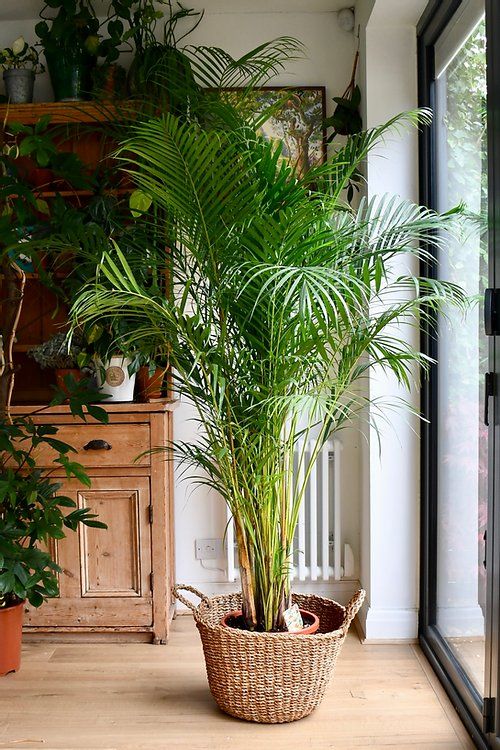
The Areca Palm feels like a tiny indoor breeze machine. Its arching fronds move gently even when the room is still, and that movement helps the plant release a surprising amount of moisture into the air. It’s one of the strongest natural humidifiers you can keep inside a home.
Place it near a bright window where the sun doesn’t hit directly. Keep the soil lightly moist—never soggy. When it’s happy, you’ll see the leaves shift from pale green to that saturated tropical green that makes a room look instantly cooler.
⚠️ Note: It grows fast. Give it a pot with room to stretch or you’ll be repotting sooner than you’d like.
2. Boston Fern
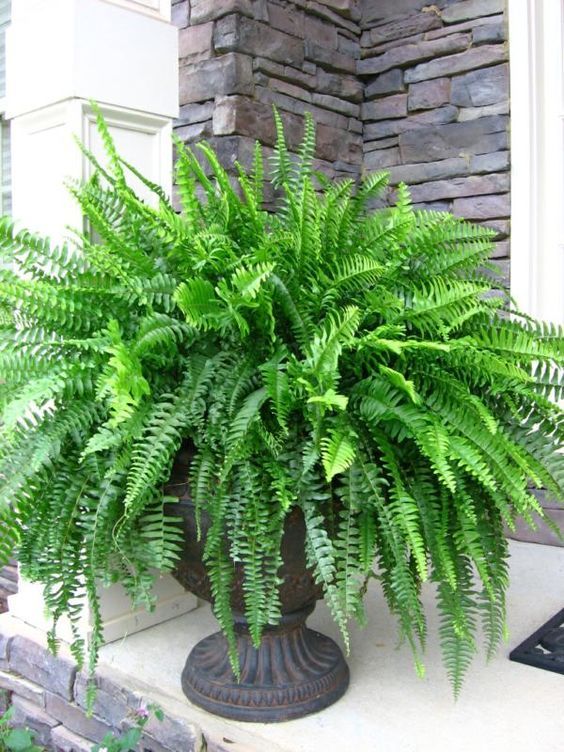
Boston Ferns are the cooling champions of older homes that trap heat. Their frilly, feathery fronds evaporate moisture at a steady pace, creating a subtle drop in temperature around them. Put your hand close—you’ll literally feel the difference.
They like consistency: indirect light, even moisture, and regular misting, especially during summer. A bathroom window ledge or a kitchen corner with soft light works beautifully.
⚠️ Note: Miss a watering or two and fronds crisp quickly. If you’re forgetful, use a humidity tray to stay out of trouble.
3. Bamboo Palm
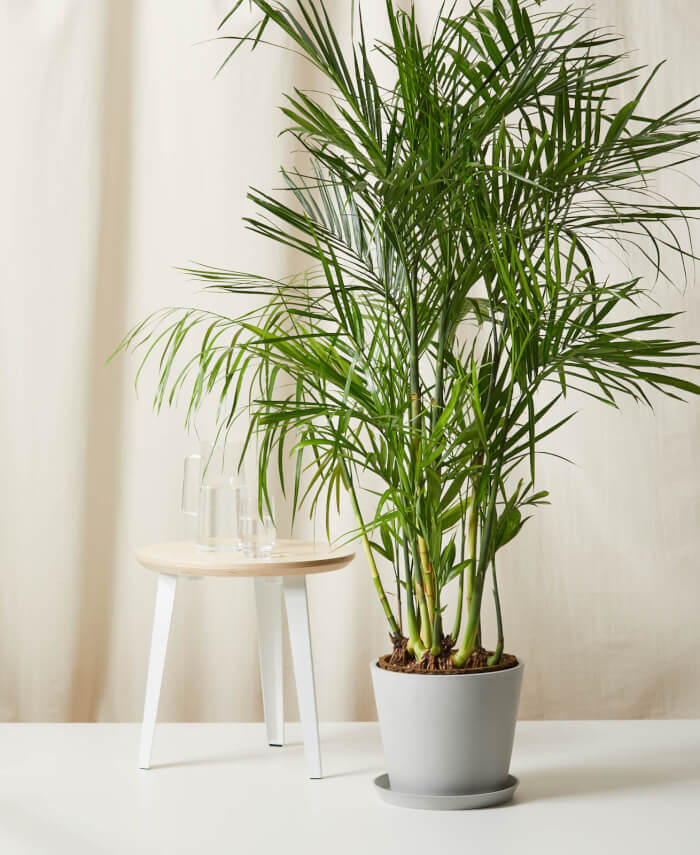
The Bamboo Palm brings a fresh, resort-like vibe to rooms that feel stuffy and stale. Its slim, bamboo-like stalks shoot upward, creating a tall canopy that helps shade hot corners while releasing cool moisture.
Water when the top inch of soil feels dry. Give it bright but filtered light, and it will reward you with dense foliage that softens harsh summer air. A quick leaf-mist on extra-hot days keeps the plant—and you—feeling better.
4. Peace Lily

Peace Lilies are the quiet problem-solvers of hot bedrooms. They release moisture at a steady rate, helping humidify dry, AC-heavy spaces while easing that tight, warm feeling in a room. And those glossy leaves? They look like they’re catching the light on purpose.
They thrive in medium to bright indirect light and like their soil slightly damp. When thirsty, they droop dramatically—almost theatrical—but perk up within hours of watering. It’s a built-in reminder system that every beginner appreciates.
⚠️ Note: Peace Lilies are toxic to pets if chewed, so place them higher if you have curious cats.
5. Aloe Vera
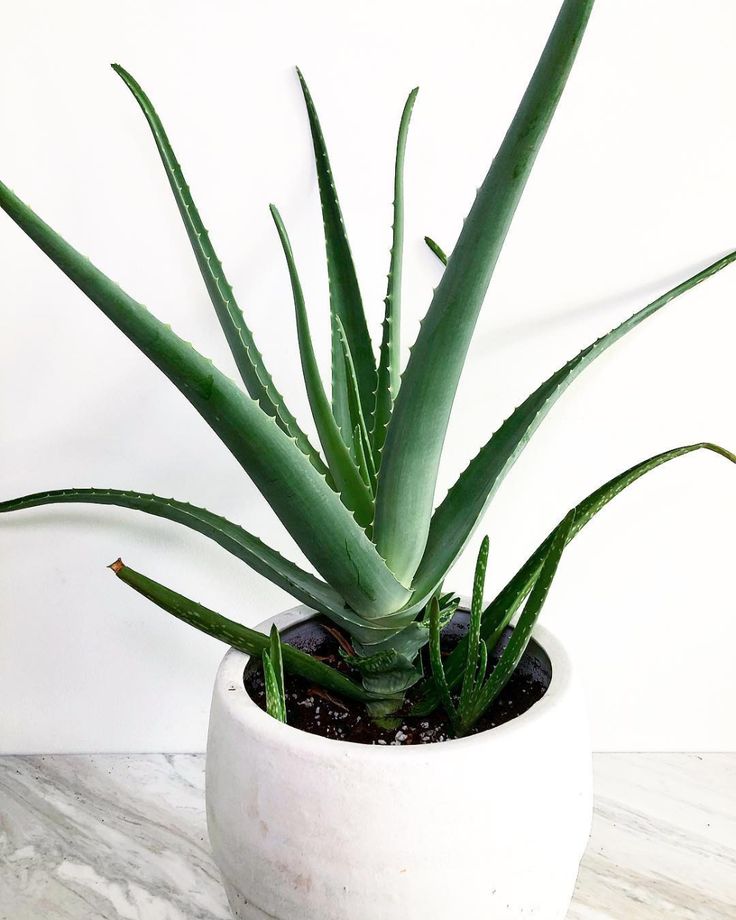
Aloe Vera is the quiet, stoic type—compact, sculptural, and surprisingly good at cooling down sunny rooms. Those thick leaves store water like tiny reservoirs, releasing moisture when the air gets hot and dry. It’s small, but the impact is real.
Set it in a bright window where it can soak up light without complaint. Water deeply, then wait until the soil dries out again. This plant prefers the “sip rarely, drink big” routine, which makes it ideal for forgetful waterers.
⚠️ Note: If you overwater, the roots sulk fast. Err on the dry side.
6. Spider Plant
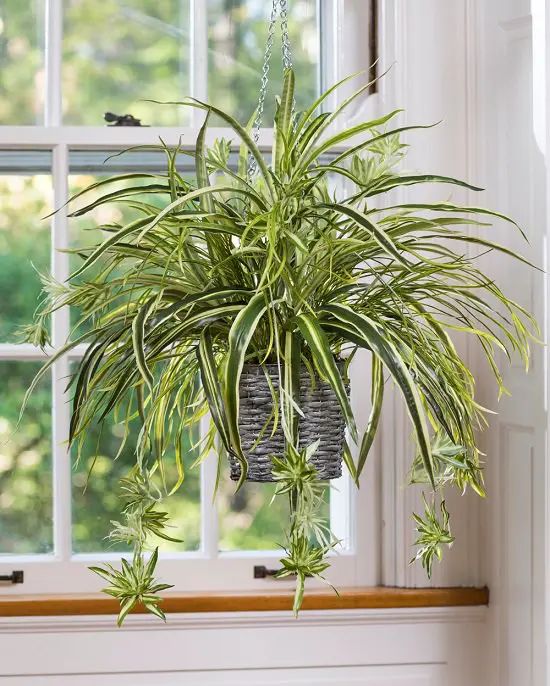
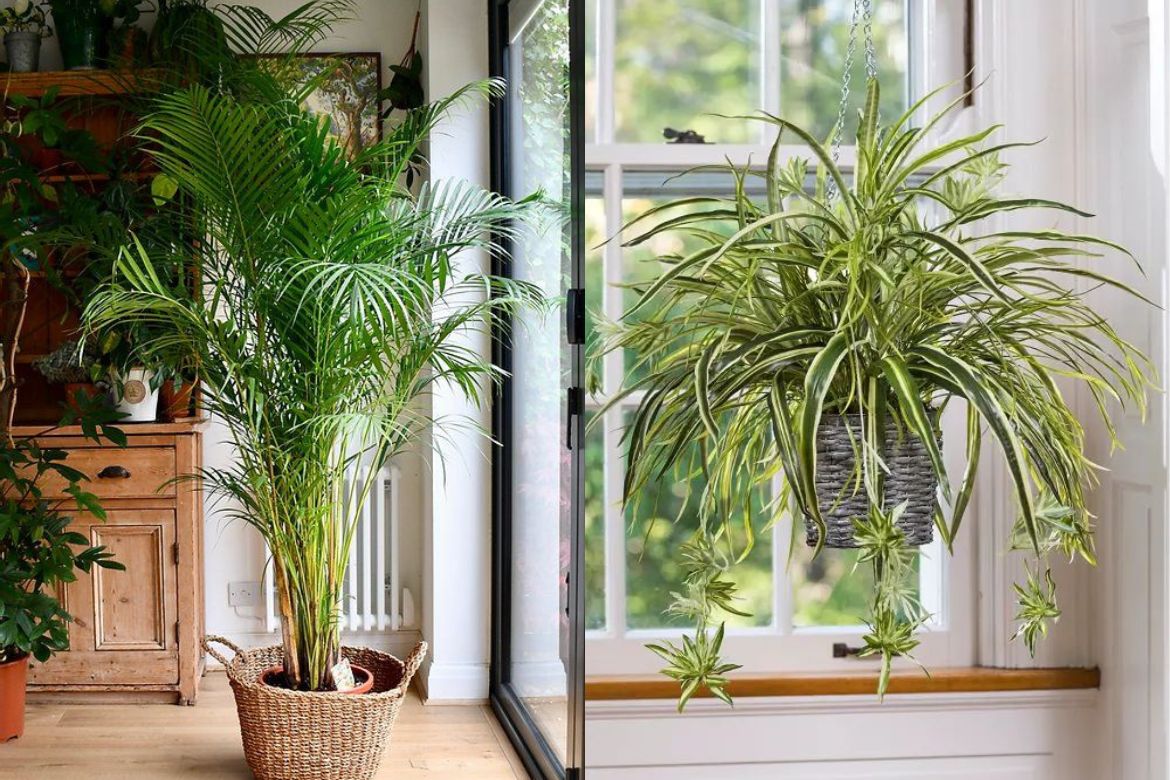
Spider Plants are like cheerful little fans that never stop working. Their arching leaves pump out steady humidity, helping cool down stuffy corners and loft spaces. They’re especially useful in rooms where air feels tight but light isn’t strong.
Let the top inch of soil dry before watering again. Indirect light is perfect—think near a window but not right against the glass. When it sends out baby “pups,” you can snip and pot them for even more cooling power around your home.
7. Snake Plant

The Snake Plant stands tall and calm, almost like it’s supervising the room. Despite its tough, upright leaves, it quietly regulates humidity and releases oxygen at night—something you really feel during hot, restless evenings.
It thrives in nearly any lighting situation, from dim hallways to bright sunlit corners. Water sparingly. This plant prefers a dry approach: a little hydration, then plenty of time to rest. Put one in the bedroom and you might notice the air feels smoother when you wake up.
⚠️ Note: Overwatering is the only real threat. Think “desert,” not “swamp.”
8. Rubber Plant
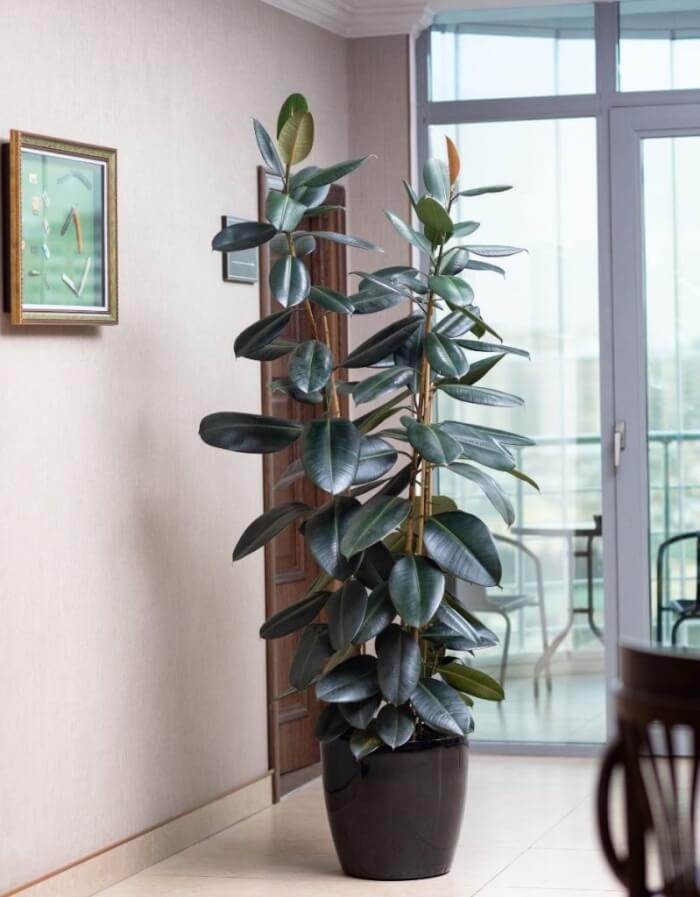
The Rubber Plant brings drama in the best way. Its wide, glossy leaves are basically moisture-release panels, helping cool warm rooms while giving the space an elegant, sculptural look. One plant can shift the whole vibe of a living room.
Bright, indirect light keeps the leaves shiny and strong. Water when the top layer of soil dries, and wipe the foliage now and then—clean leaves release moisture more efficiently. If you want height, let it stretch upward; if you want fullness, prune the top.
⚠️ Note: The sap can irritate skin, so wear gloves when pruning.
9. Pothos
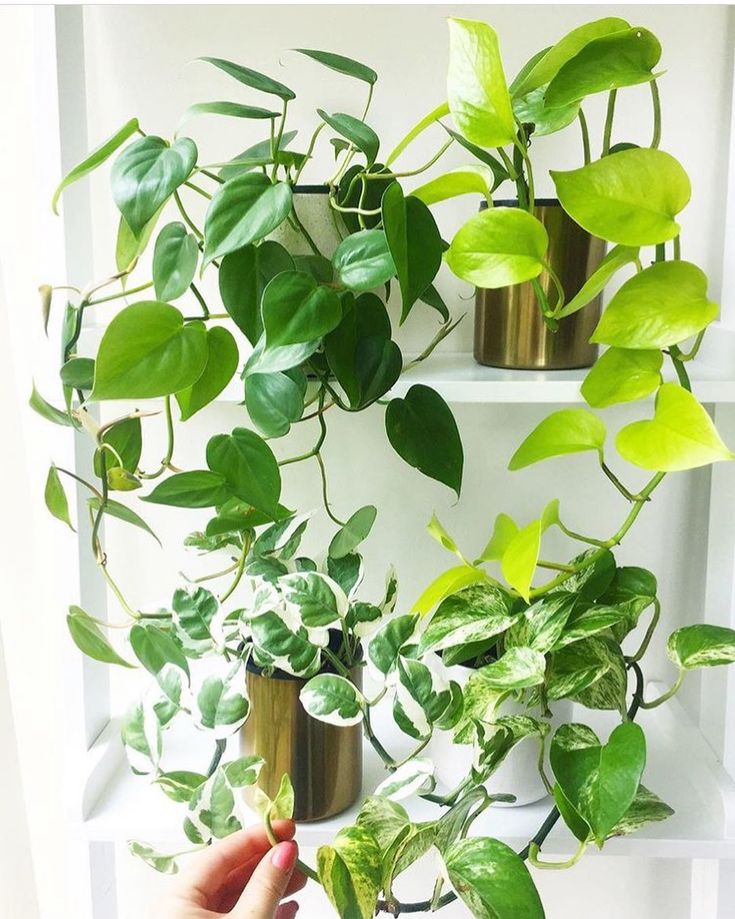
Pothos is that easygoing friend who always shows up when you need them. It thrives almost anywhere and quietly improves airflow with its trailing vines. As those leaves release moisture, the air in a warm room starts to feel lighter and a bit more breathable.
Give it medium to bright indirect light, though it won’t complain if the room is dimmer. Water when the top layer of soil dries, and trim the vines if you want a fuller, bushier look. Place it on a high shelf and let the greenery spill down—it cools the space while adding movement.
10. Ficus (Weeping Fig)
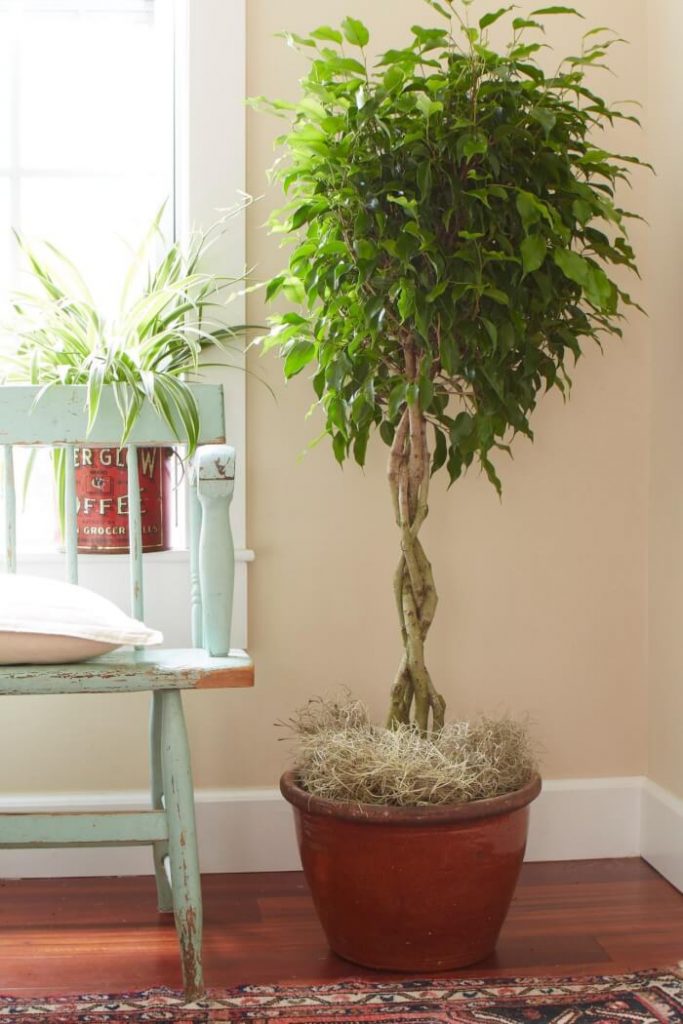
A healthy Ficus creates a tiny indoor canopy, and that canopy helps cool a room better than you’d expect. Its glossy leaves release steady moisture, and the way they cluster creates a soft shade effect that takes the edge off summer heat.
Keep it in bright, indirect light and rotate the pot every few weeks for even growth. Water regularly but avoid soaked soil. When the plant settles into a spot it likes, the whole tree fills out beautifully and becomes a natural focal point.
⚠️ Note: Ficus can drop leaves when stressed—new location, cold drafts, or inconsistent care. Once it adjusts, it stabilizes.
⭐ Conclusion
Summer heat has a way of creeping into every corner of a home. But a few well-chosen plants can shift that feeling fast. They cool the air, soften the light, and bring a little life back into rooms that feel flat when temperatures climb. You don’t need a jungle—just a handful of plants placed where the air gets still or the sun hits hardest.
And here’s the quiet truth: caring for them feels good. Watching new leaves unfurl. Wiping dust from a glossy frond. Noticing a room finally breathe again. These small moments add up. So if your home feels warm and worn out by summer, try letting nature take the first swing. Your AC—and your mood—might get a break.
❓ FAQs
1. Do houseplants actually lower the temperature in a room?
They can. Plants release moisture through transpiration, which creates evaporative cooling. The effect is subtle but noticeable—especially in smaller or stuffier rooms.
2. How many plants do I need to cool a space?
For a medium bedroom or living room, 3–5 medium or large plants make the biggest difference. Palms, ferns, and rubber plants are especially effective.
3. Will cooling plants work even if I use AC?
Yes. AC dries the air, and cooling plants add humidity back into the room, making the cool air feel softer and more comfortable. They work surprisingly well together.