Table of Contents
A Ficus Ginseng that looked perfectly healthy in October can suddenly start dropping green leaves in January. During the winter, lower indoor light levels naturally slow the plant’s growth, drastically reducing its need for water and fertilizer. Because this sub-tropical native is famously resilient, indoor gardeners often treat it with the same heavy hand in December as they do in July.
The trouble usually begins when those unblemished leaves hit the floor, or the characteristic pot-bellied trunk feels slightly less firm to the touch. When a winter decline begins, it is easy to compound the stress by doubling down on water or nutrients.
Stabilizing a wintering Ficus requires adjusting your care habits to match the plant’s slowed seasonal metabolism. Avoiding these five common winter care oversights will help protect the root system and preserve the canopy until warmer days return.
1. Sticking to the Summer Watering Schedule
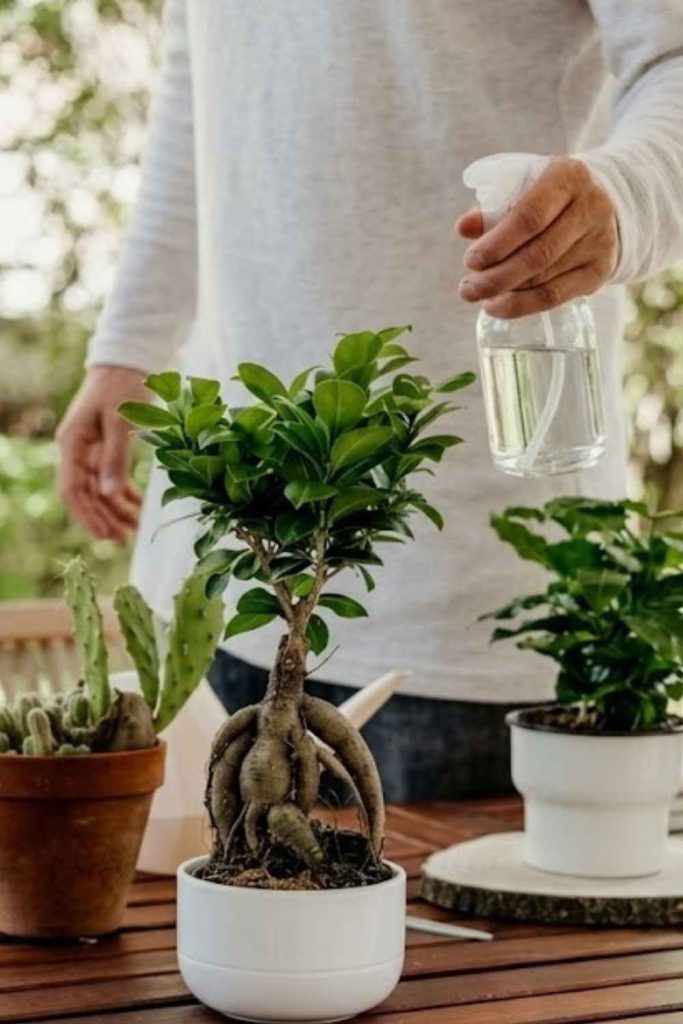
Indoor light levels drop significantly by late autumn, slowing a bonsai’s water consumption. If you maintain a summer watering frequency into the darker months, the soil substrate remains saturated for too long, reducing the oxygen available to the roots.
The swollen, ginseng-style trunk stores moisture surprisingly well, which is why winter overwatering is often far more dangerous to this variety than brief periods of dryness. Continuous waterlogging quickly damages the fine feeder roots, prompting the plant to drop its lower interior leaves.
To fix this, relying on a manual check rather than a calendar is a safer approach. Checking the moisture involves inserting your finger two inches into the soil; if it feels damp or cool, it is best to bypass watering for a few days.
When that top two-inch layer genuinely dries out, watering thoroughly until it runs clear from the drainage holes is ideal, ensuring the collection saucer is emptied immediately so the pot never sits in stagnant water.
2. Keeping Your Bonsai Too Close to Cold Windows
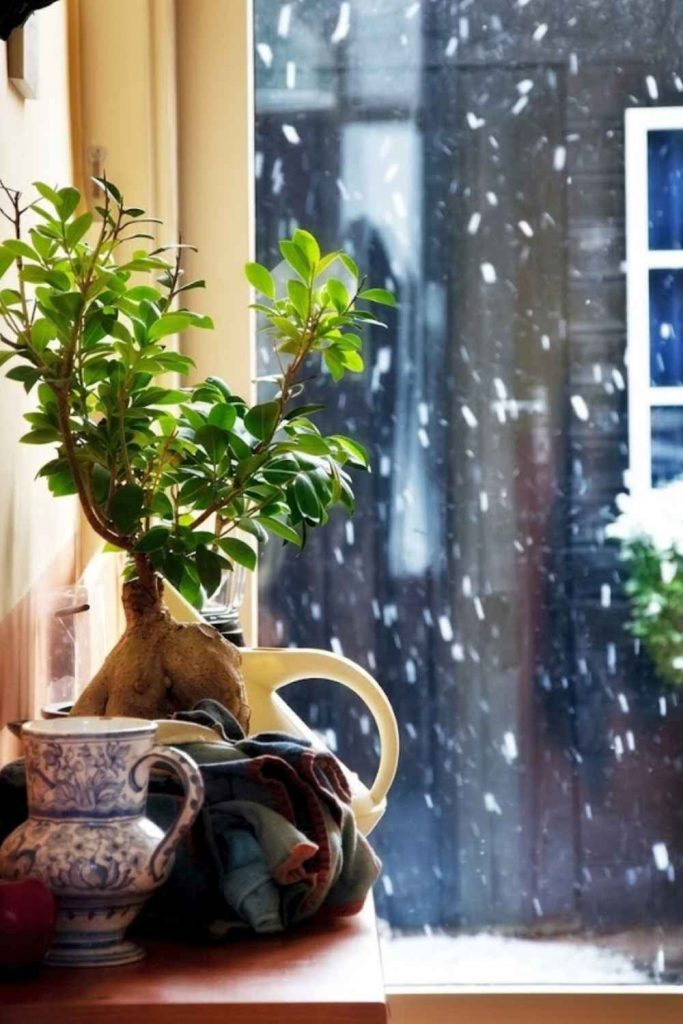
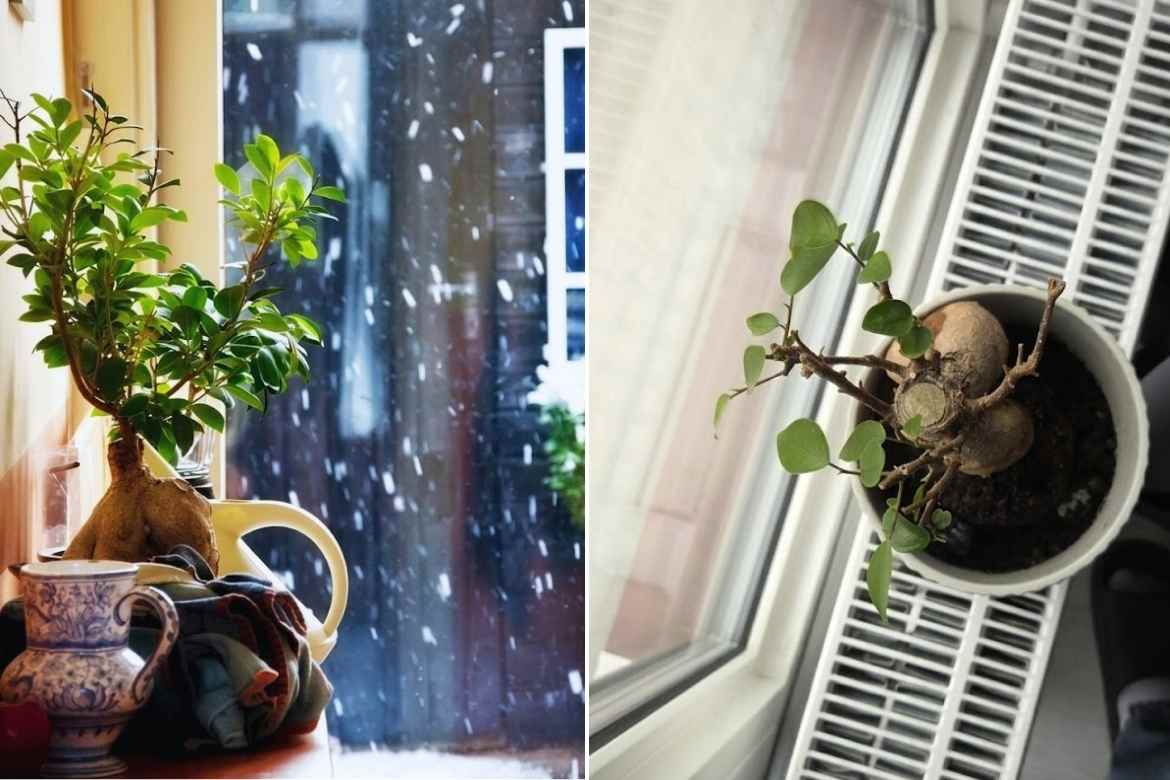
A Ficus Ginseng positioned against a window may look healthy on the side facing the room, while the side facing the glass suffers targeted leaf drop or localized twig dieback.
While your thermostat might read a comfortable room temperature, the microclimate directly adjacent to a glass pane can drop below 50°F (10°C) during winter nights.
If tropical foliage physically touches cold glass, it can suffer localized temperature shock. Keeping the plant near your brightest window helps maximize winter sun, but ensuring no leaves actually touch the glass will prevent this chill damage.
3. Using High-Nitrogen Fertilizers Out of Season
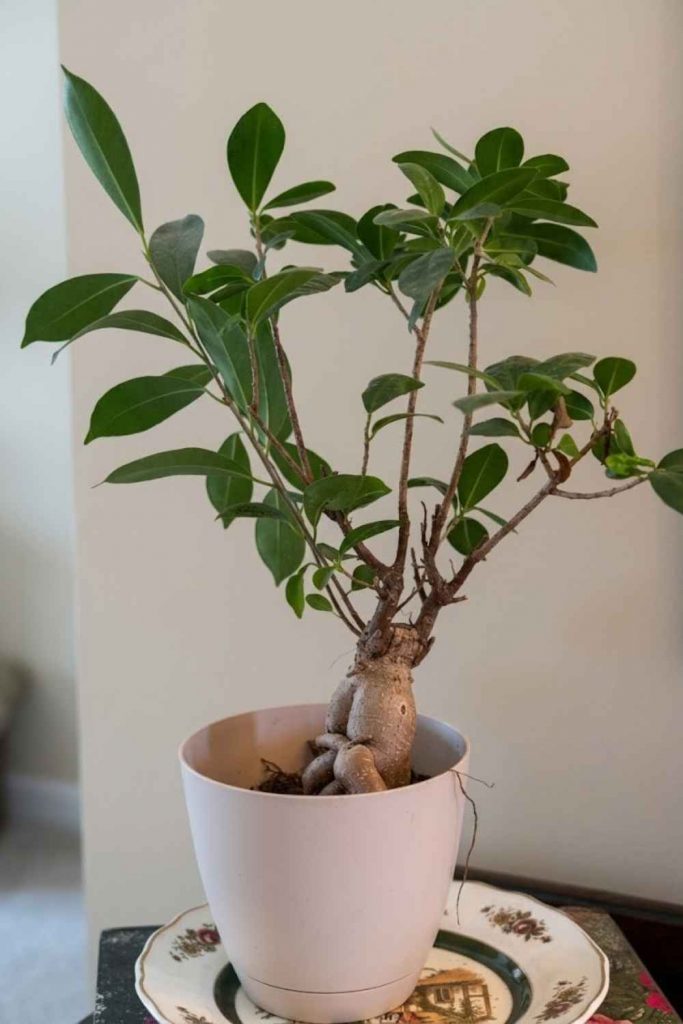
Winter feeding often produces weak, leggy growth that the plant cannot properly support. Because the plant lacks the high-intensity sunlight required to fuel new growth during the dark months, these forced shoots remain soft and structurally weak. This stretched winter growth is often more prone to breakage and environmental stress.
In most homes, it is best to pause fertilizing by mid-autumn and wait until active growth resumes in spring, as your bonsai does not have the metabolic demand for extra nutrients right now.
A light feeding regimen can be safely resumed in mid-spring once you observe genuine, sun-driven new buds emerging at the branch tips.
4. Placing the Plant Near Heating Vents or Radiators
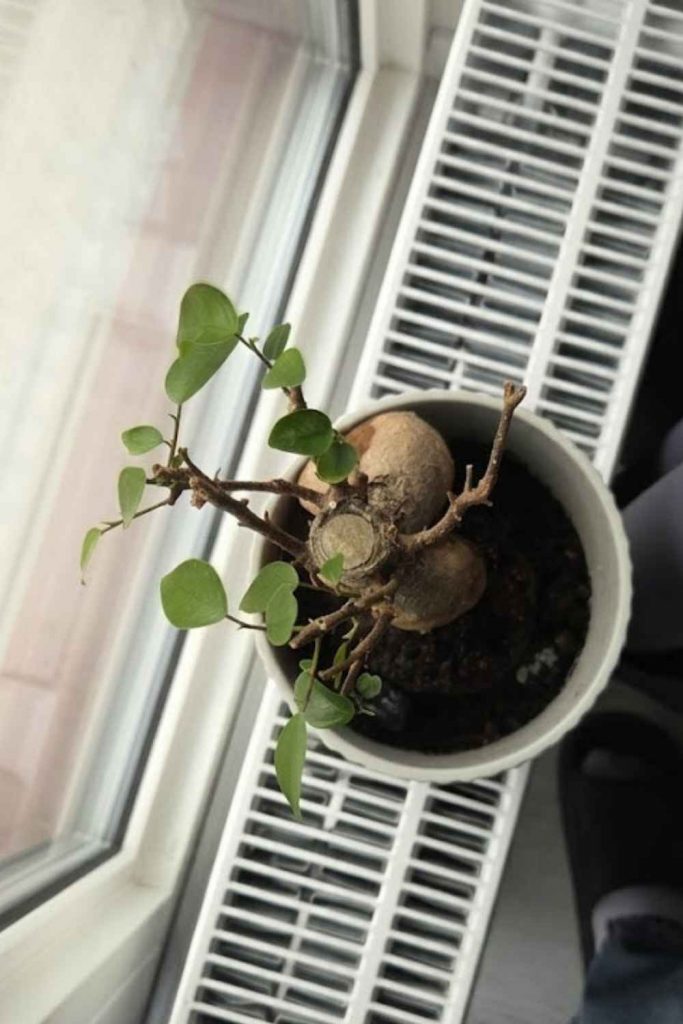
Credit: Reddit @raretofind1
Forced indoor heating units cause rapid temperature fluctuations and plummeting humidity levels. If a Ficus Ginseng sits directly in the path of a heating vent or near a hot radiator, the dry, blasting air robs moisture from the leaves faster than the root system can replace it.
This localized dehydration leads to crispy, papery leaf margins on the glossy canopy.
Keeping your bonsai clear of direct heat paths and drafts protects the foliage. To counteract dry indoor air, utilizing a small humidifier placed nearby helps maintain a stable, consistent 40% to 60% humidity range around the entire plant, which closely mimics its native subtropical environment.
5. Undertaking Winter Repotting
Discovering compacted soil or white mineral crusting on the pot in January often tempts growers to refresh the soil. However, removing and pruning roots in mid-winter creates unnecessary stress when the plant’s energy reserves are at their lowest. The plant simply lacks the seasonal vitality to regenerate root tissue quickly.
Postponing major soil changes and structural root pruning until late spring or early summer is generally recommended by bonsai professionals, as the plant is then actively growing and better equipped to handle root disturbance.
If you suspect the current soil is draining too slowly right now, light topsoil scarification or consulting a local nursery for targeted aeration advice is safer than completely disrupting the root ball out of season.
FAQs
Why is my Ficus Ginseng dropping green leaves when the soil is wet?
While green leaf drop can happen from sudden temperature shifts, when combined with wet soil, it is frequently a sign of root stress from overwatering.
When soil stays continuously saturated in low winter light, the roots can begin to fail and stop transporting moisture upward. It is best to hold off on watering until the top two inches of soil dry completely.
Can an artificial grow light stop winter leaf drop?
Yes, supplementary lighting can be highly effective if your home lacks a window that provides four to six hours of bright, indirect light.
Positioning a dedicated LED grow light roughly 12 inches above the canopy on a timer for 10 to 12 hours a day helps simulate summer day lengths and encourages denser foliage retention.
How do I know if my bonsai has winter root problems?
Slightly loose soil or minor leaf drop usually indicates simple moisture stress, which you can fix by reducing your watering frequency. However, if the trunk feels spongy near the base, the soil emits a sour odor, or the plant wobbles easily, you are facing an active root rot emergency.
In this specific scenario, you must act immediately regardless of the season: pull the plant from its pot, gently wash away the old soil, clip off any black or mushy roots with sterilized shears, and repot it into fresh, dry, fast-draining bonsai mix to stop the rot from destroying the trunk.