Table of Contents
Growing a houseplant collection doesn’t require a trip to the nursery.
Many common indoor species can be grown from cuttings, leaves, or plantlets with very little intervention.
Success simply comes down to matching each variety with the right propagation method and understanding its specific growth habits.
1. Golden Pothos (Epipremnum aureum)
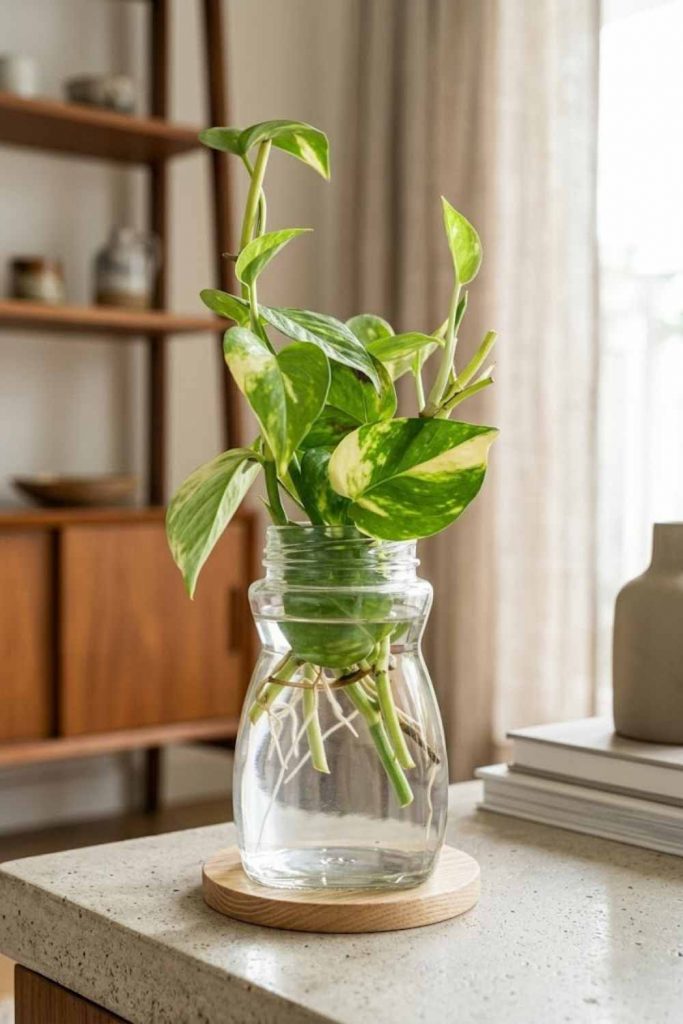
Pothos is arguably the most reliable vine for water propagation because its nodes root with ease.
Locate a healthy runner, trace down to a stem node directly beneath a leaf, and sever the vine immediately below that point.
Submerge only that node in a glass of water. Transition the cutting to a potting mix as soon as a healthy cluster of roots forms.
2. Heartleaf Philodendron (Philodendron hederaceum)
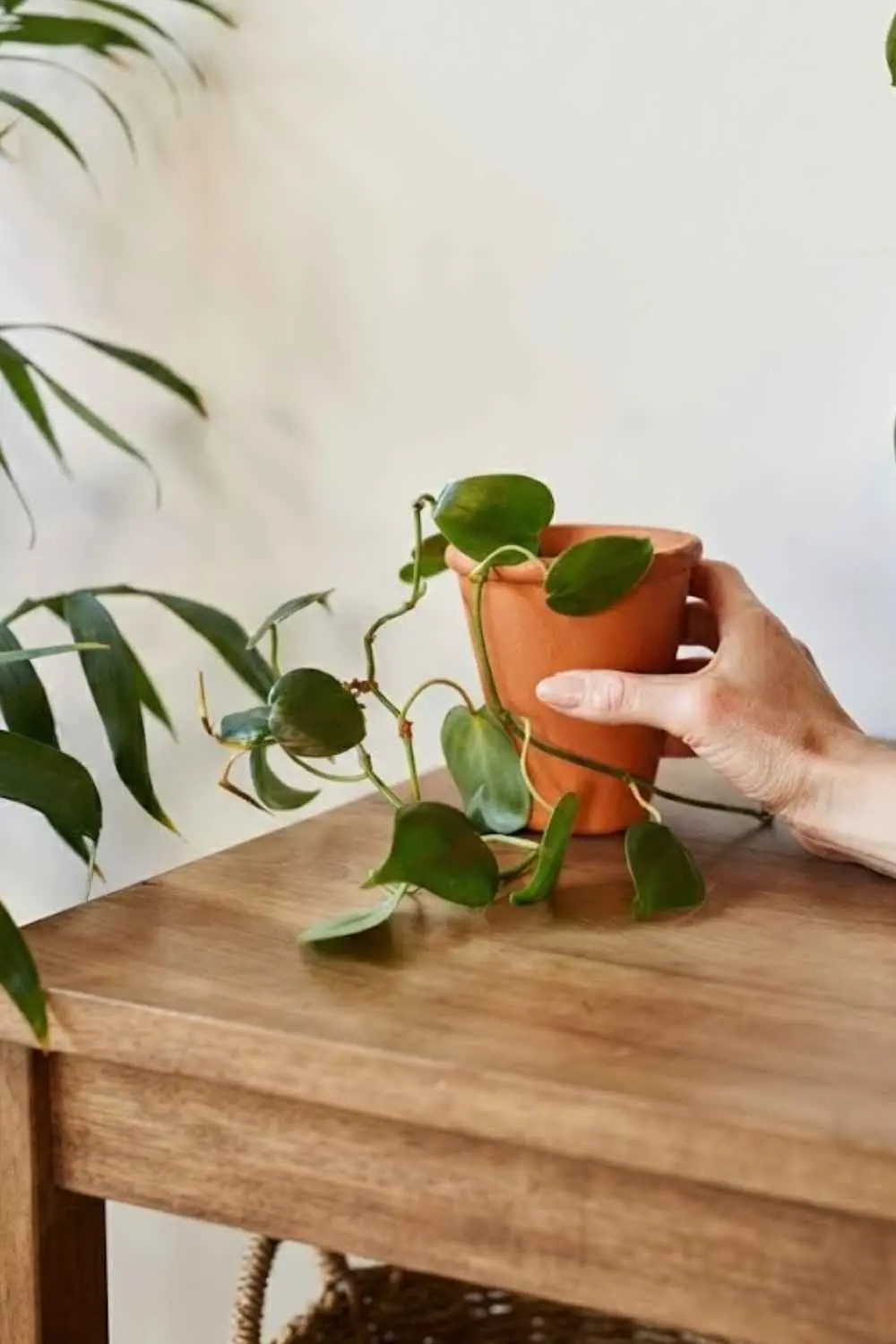
Cutting a leggy stem into several short pieces with nodes is an easy way to turn a thin Philodendron into a full container.
Simply plant these cut segments back together into one small pot of damp dirt.
Keep the cuttings in a warm spot with bright, indirect light while they root to encourage steady growth.
3. Inch Plant (Tradescantia spp.)
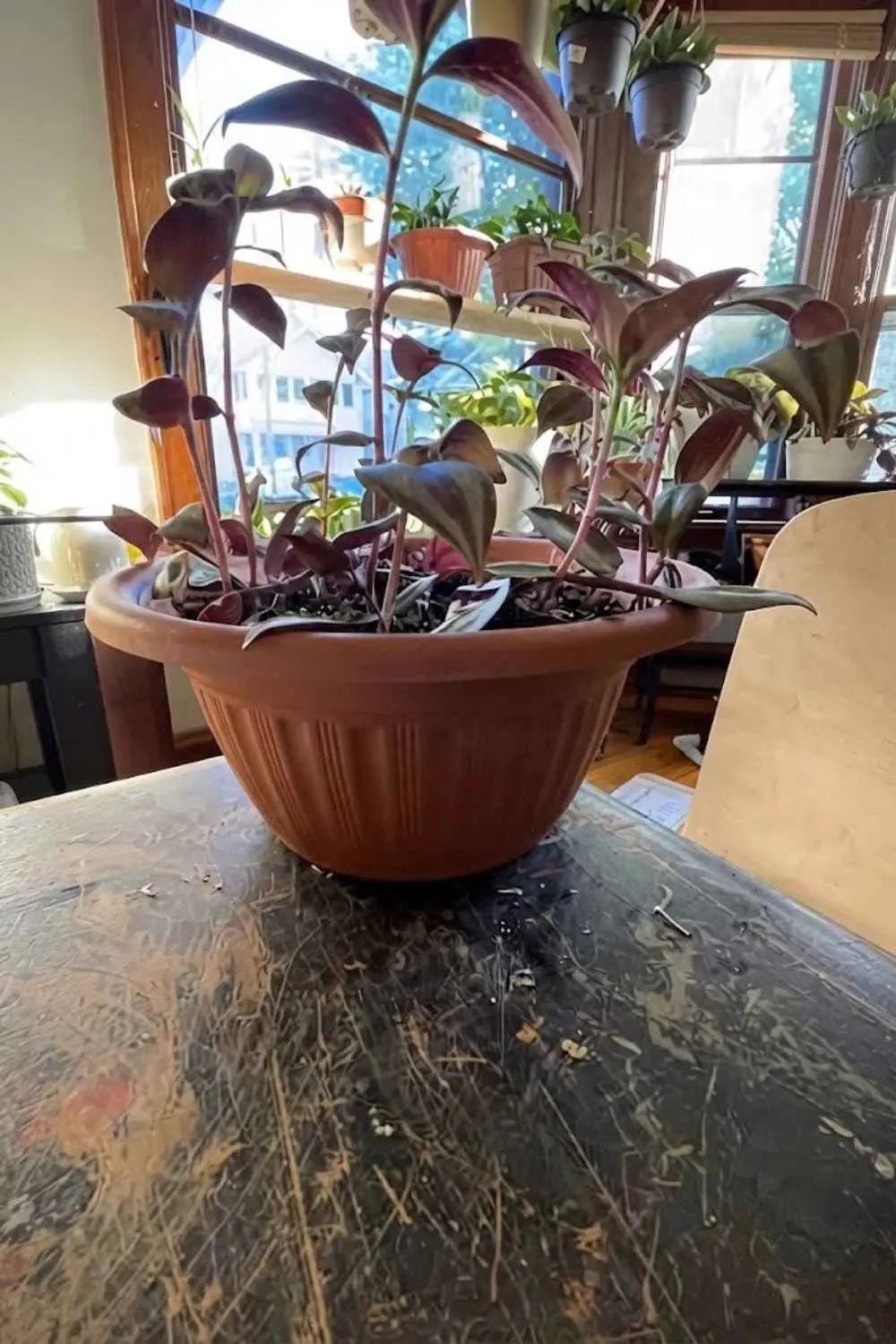
Skip the water phase entirely if you want a faster setup, as this purple-striped vine roots readily directly in soil.
Cut a healthy stem, push it straight into damp potting dirt, and firm it in place.
The primary tradeoff is that the juicy stems are physically brittle and snap easily when handled. Because the base can become bare as the plant ages, taking fresh cuttings can help maintain a full appearance.
4. Spider Plant (Chlorophytum comosum)
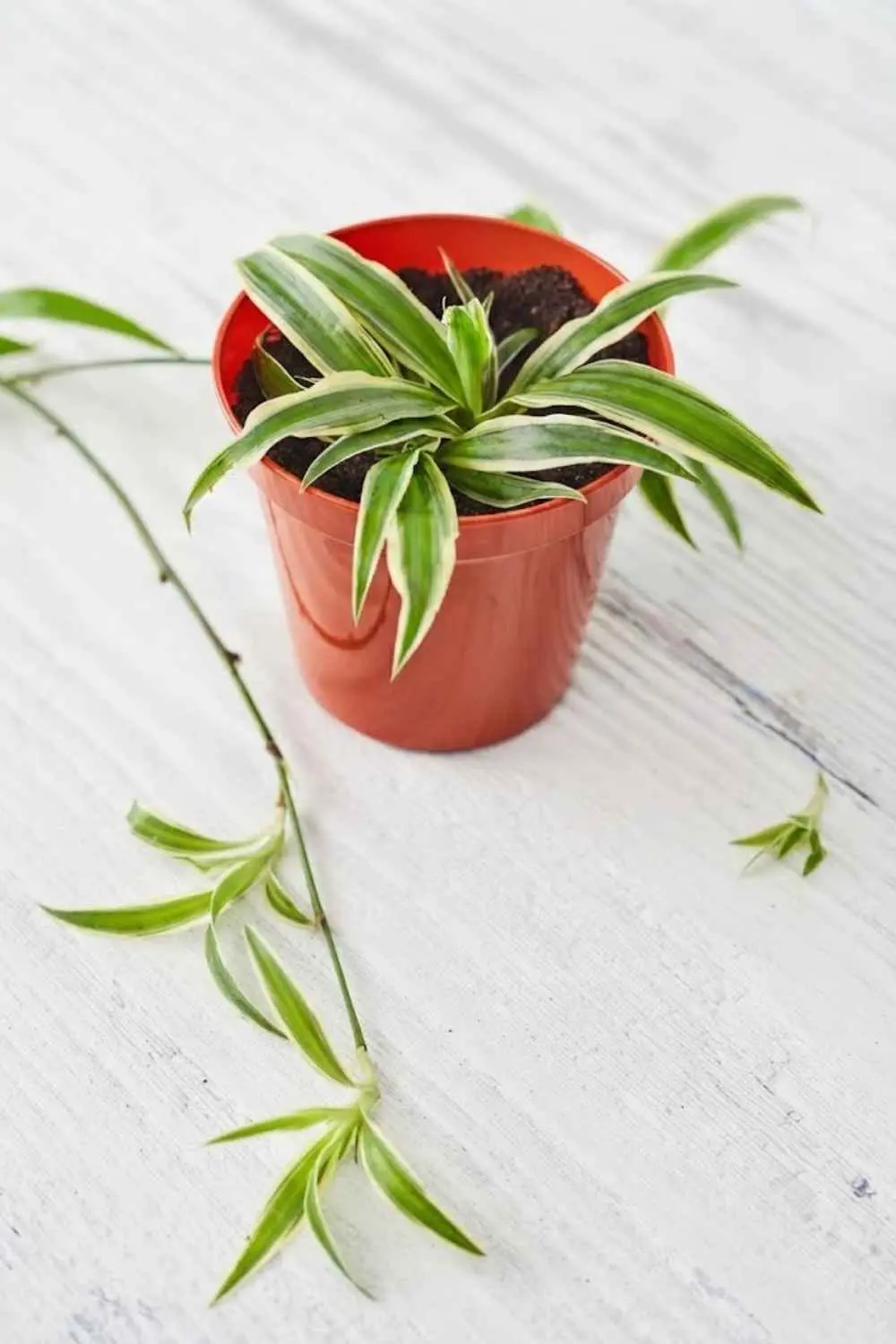
Look closely at the base of the independent baby plants that dangle from long, cascading runners to see whether roots have begun to form.
Snip the plantlet free from the main stem and press the base directly into moist soil.
For a gentler transition, pin the baby plant into an adjacent small pot of soil while still attached to the mother plant, cutting it loose only after it anchors.
5. String of Hearts (Ceropegia woodii)
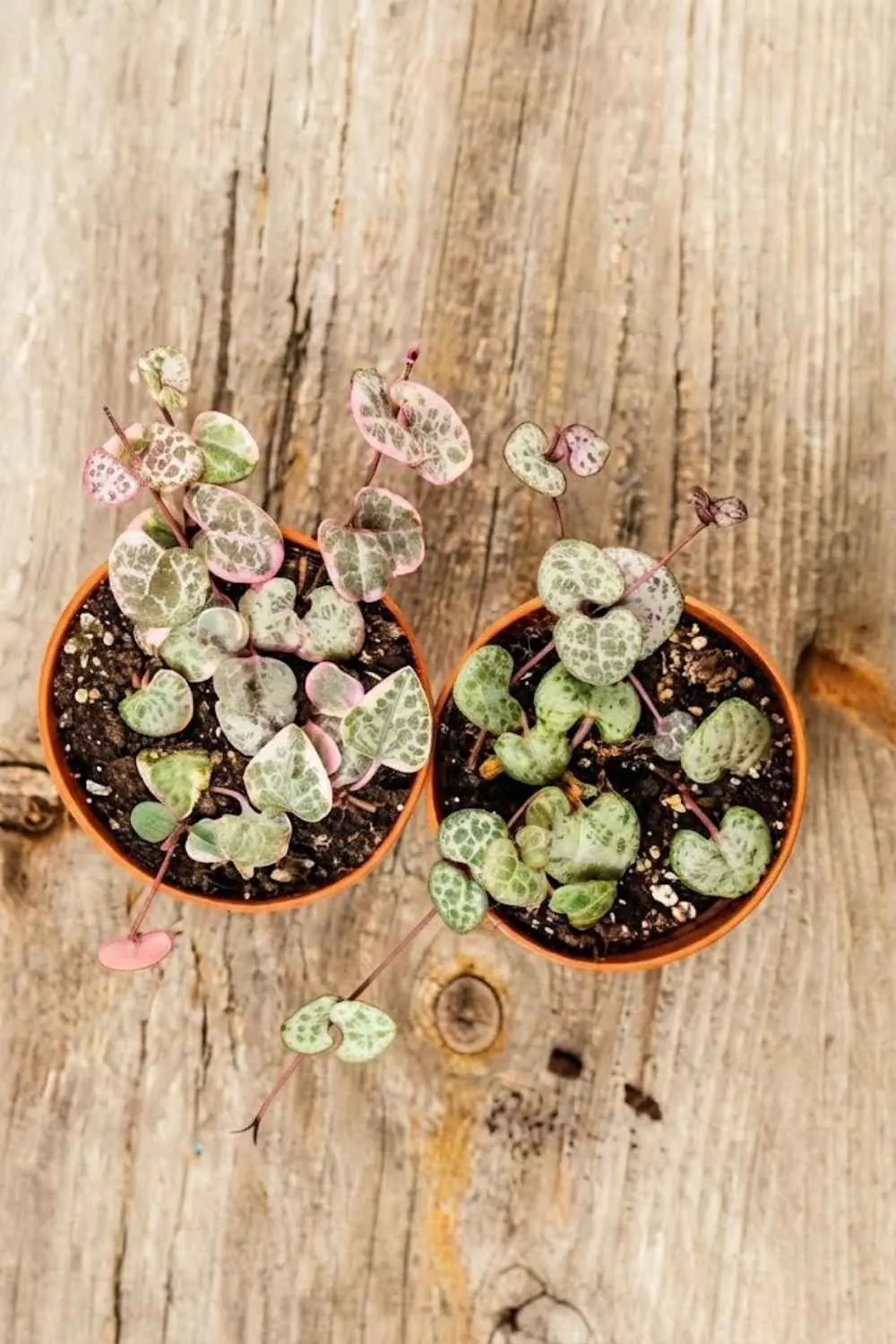
Propagating this delicate vine relies on finding the small, potato-like aerial tubers, or bulbils, that form along mature stems.
Take a cutting just above one of these structures and press the tuber directly onto the surface of damp, gritty soil.
Keep the container in a warm location with bright, indirect light. Avoid burying the thin leaves, as contact with constantly wet soil can lead to foliage decay.
6. Coleus (Coleus scutellarioides)
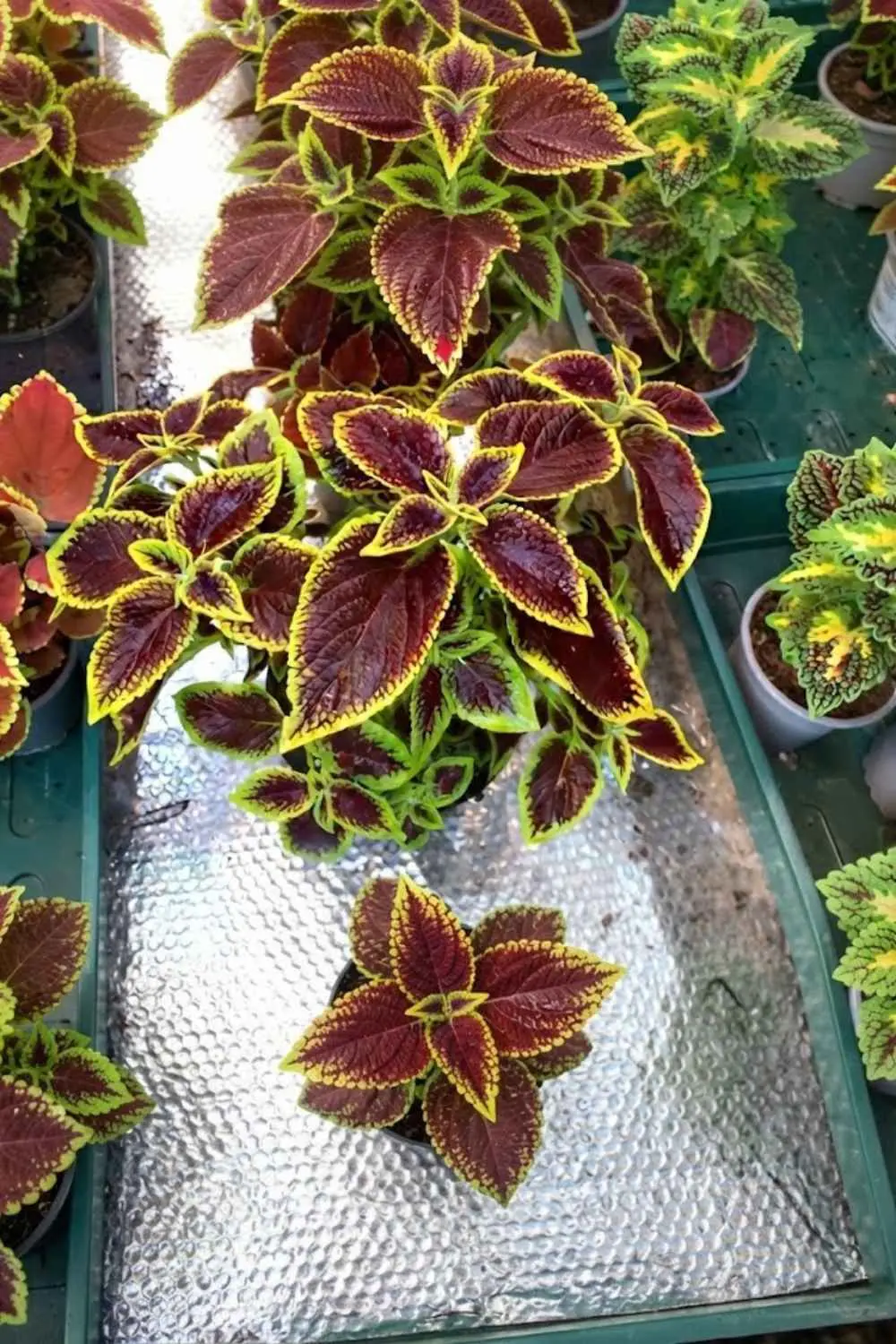
Coleus stems possess multiple growth nodes that react quickly to moist potting environments.
Take a short stem cutting by slicing right below a node, then strip away any lower foliage that would rest beneath the soil line.
Plant the bare stem base into a standard potting mix and water regularly.
Watch out for drying soil; these soft-stemmed cuttings drain moisture fast and will wilt if the dirt dries out during early rooting.
7. ZZ Plant (Zamioculcas zamiifolia)
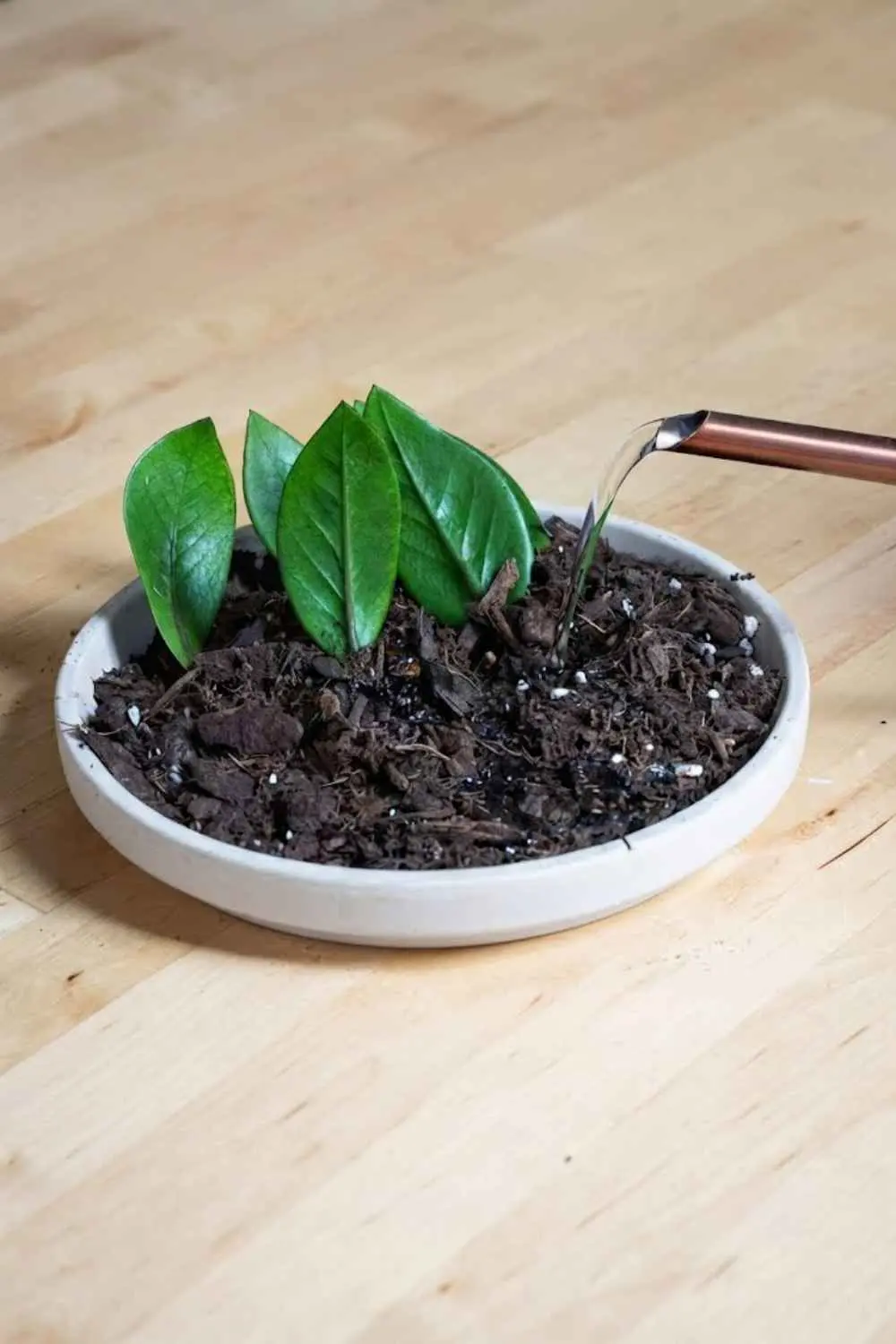
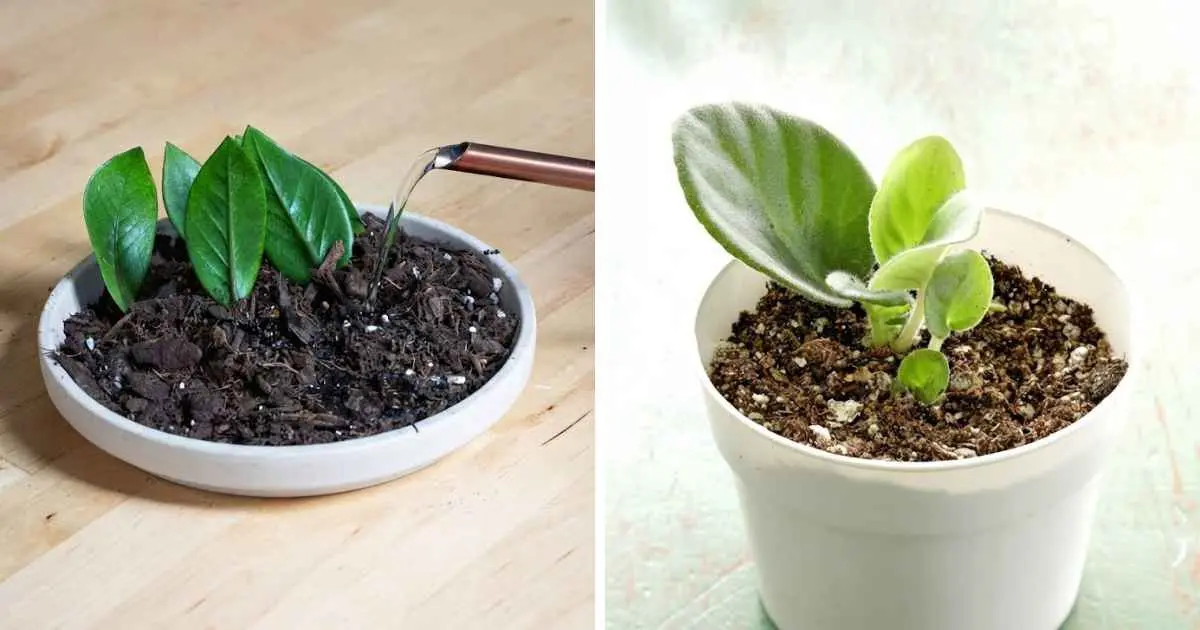
Regenerating a new underground rhizome from a single detached leaflet is a slow but incredibly simple project.
Gently twist a mature leaflet away from the main stalk, and insert the raw tip upright into a damp potting medium.
Several months are typically required before the leaflet forms a small bulbous base capable of producing new stems.
8. African Violet (Saintpaulia ionantha)
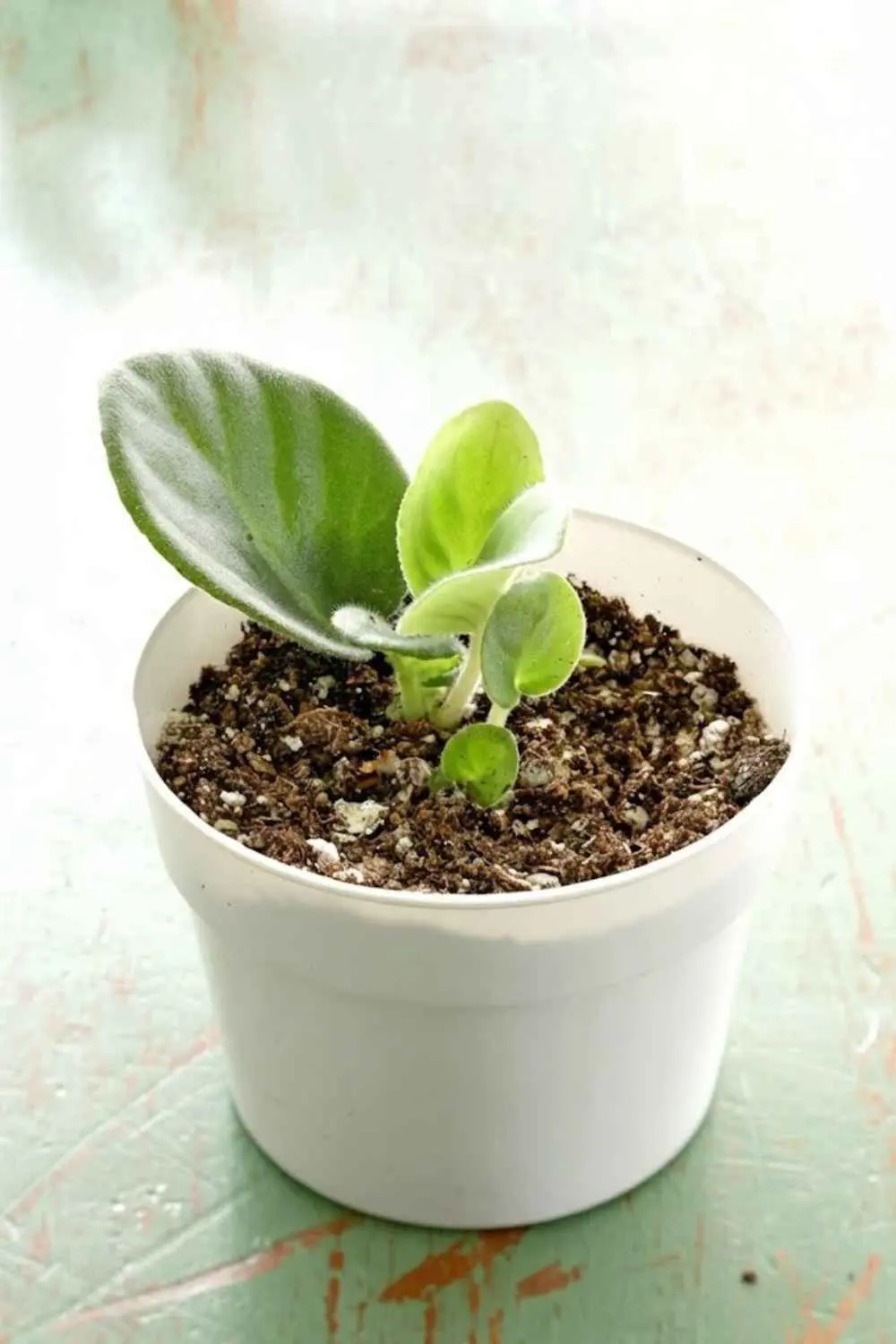
A single leaf is all that is needed to start a new cluster of violets.
Cut a healthy leaf stem down to about an inch with clean shears. Use a pencil to press a narrow hole into damp soil, then insert the stem so the leaf blade rests just above the dirt line.
Roots will form in a few weeks, though it often takes a month or two for new green rosettes to break the surface.
9. Jade Plant (Crassula ovata)
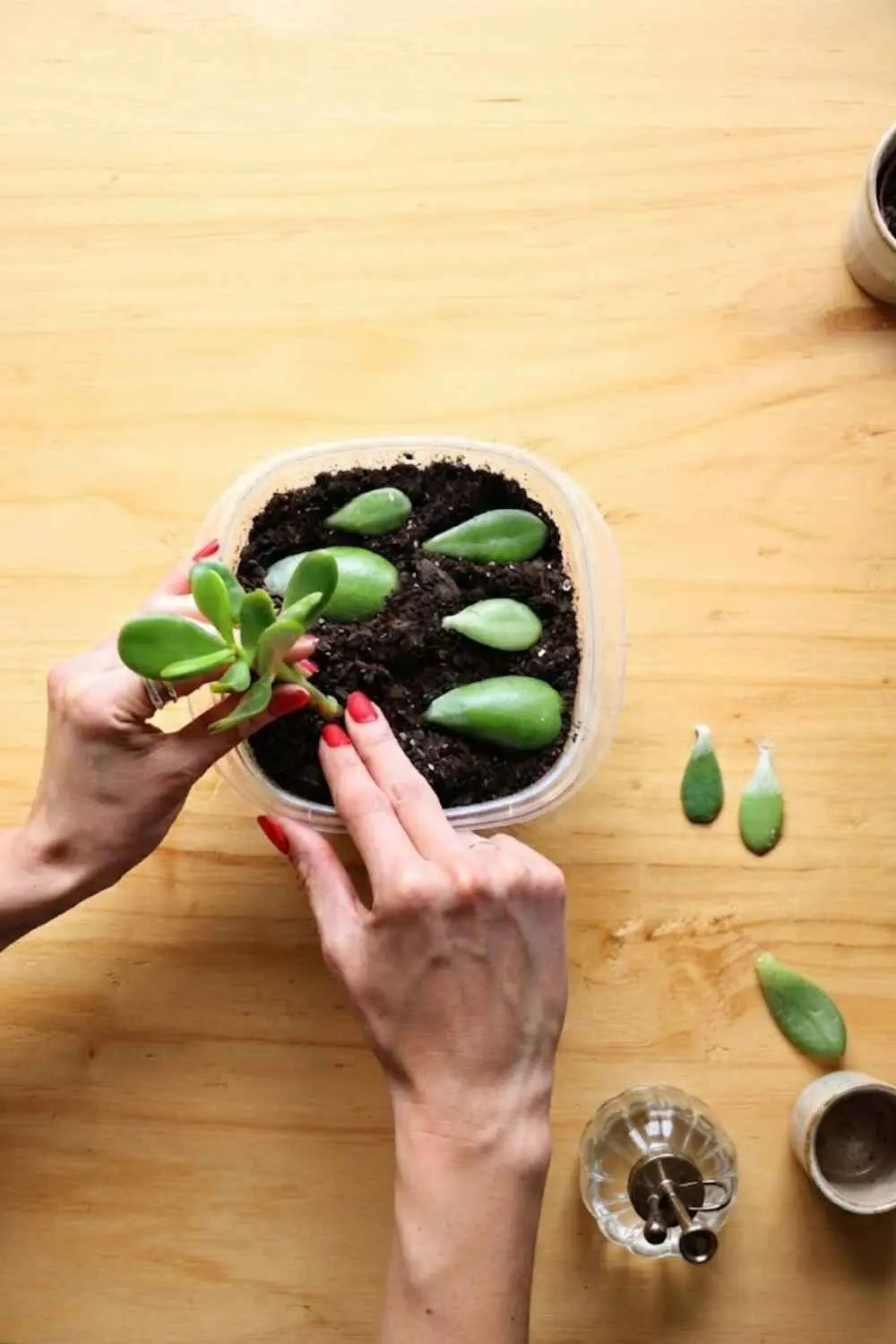
Individual leaves or woody branch cuttings from this succulent multiply with very little intervention.
Allow the cut end to dry in a shaded spot until it forms a firm callus before planting. Set the callused end cut-side down into a gritty cactus soil mix.
Keep the medium barely damp; adding water to a fresh, wet succulent wound exposes it to stagnant moisture, which can trigger rot.
10. Echeveria
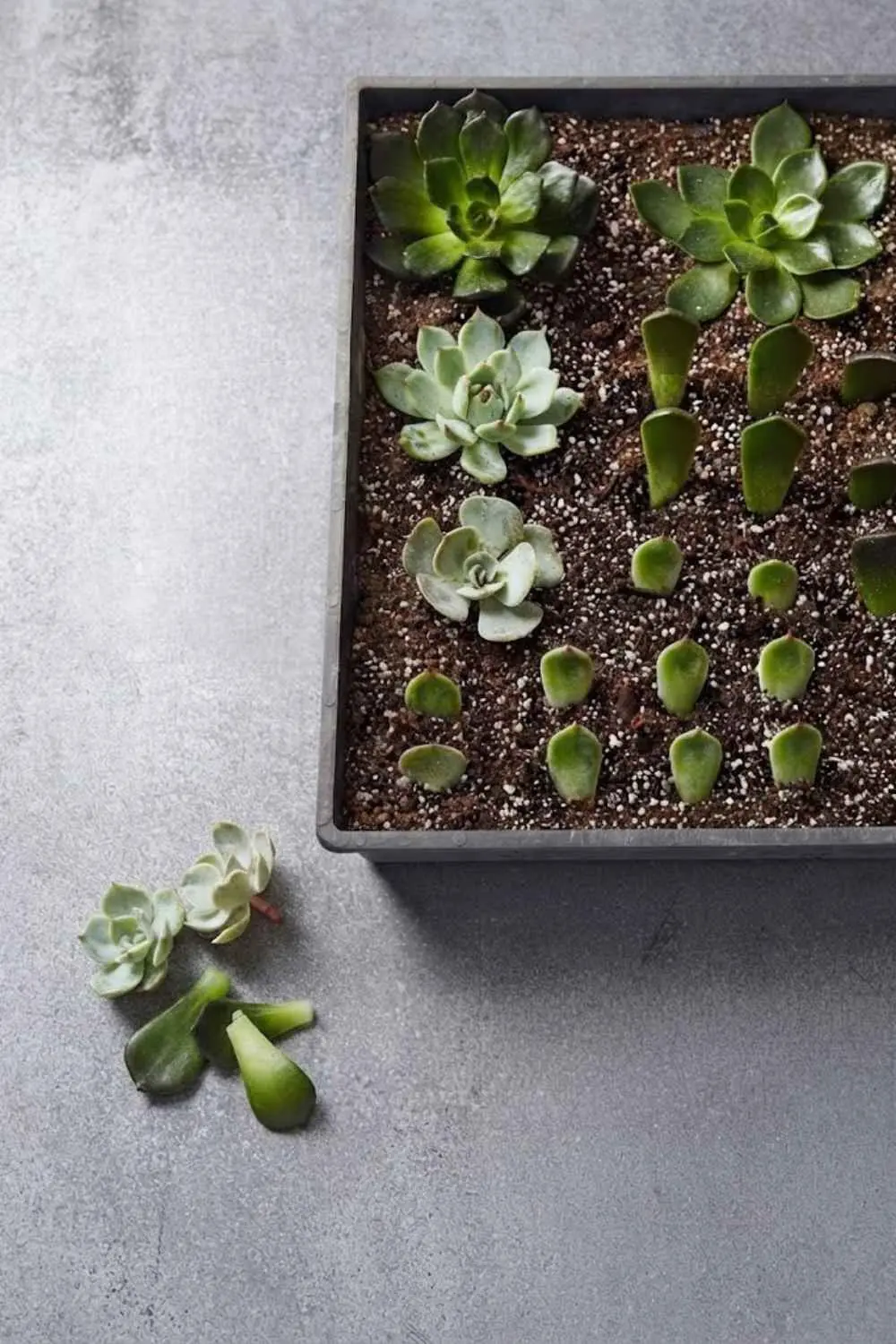
Gently wiggle a plump lower leaf side-to-side until it snaps cleanly off the main trunk, ensuring the base of the leaf remains entirely intact.
This rosette succulent follows a similar protective drying logic as the Jade plant.
Lay the leaf flat across the top of dry succulent soil. Keep the soil surface dry, watering sparingly only around the base of the leaf once the new roots begin anchoring themselves into the dirt.
Quick Propagation Selector
- Best for Direct Soil Potting: Inch Plant and Coleus (both transition easily without a mandatory water phase).
- Roots From a Single Leaf or Leaflet: ZZ Plant and African Violet (require only a single leaf segment to produce a new root system).
- Produces Ready-Made Clones: Spider Plant (offshoots arrive with developing roots ready to soil-anchor).
- Best After Air-Drying: Jade Plant and Echeveria (succulent tissues must callus in the air before hitting damp soil).
FAQs
Why do I need to sanitize my cutting tools before propagating?
Using unwashed scissors or knives can transfer lingering pathogens directly into the fresh open wounds of both the parent plant and the new cutting.
Always wipe your blades down with rubbing alcohol or a mild bleach solution to encourage clean tissue separation.
How do I identify a reliable growth node on a trailing vine?
Look for the distinctly swollen, knuckle-like areas along the main stem where leaves connect or flowers emerge.
These concentrated tissue zones contain the specialized cells required to switch from growing foliage to producing roots.
What causes a water cutting to turn soft and discolored?
Soft or discolored tissue is often a sign of rot, which can develop when cuttings sit in stagnant or old water.
Cut away the soft portion back to healthy green tissue, clean the container thoroughly, and refresh the water regularly with clean, room-temperature water.
Conclusion
Mastering houseplant propagation is less about technical expertise and more about respecting the physical boundaries of each species.
Because cuttings, plantlets, leaves, and succulent tissues all require slightly different treatment, success follows the same basic principles of cleanliness and controlled moisture.
With a clean pair of shears and a regular windowsill, a single healthy houseplant can easily become the source of an endless indoor collection.