
Table of Contents
With glossy green leaves and gracefully arching branches, a weeping fig (Ficus benjamina) can bring height and greenery to an empty corner.
This tropical tree can thrive indoors when its basic needs are met, but it can be quick to react when its environment changes.
Keep its light, moisture, and surroundings as consistent as possible for healthier growth.

1. Choose a bright spot and leave it there
Place your weeping fig in a bright spot with plenty of indirect light. A bright east-facing window can work well, while a sunny south- or west-facing window may need some protection from intense afternoon sun.
Once you find a good spot, try to leave the plant there. Weeping figs can drop leaves when their light or surroundings change, so a stable location is just as important as providing enough light.
2. Use a well-draining pot and potting mix
Choose a good-quality, soil-based potting mix and a container with drainage holes so excess water can escape. The roots should have access to moisture without staying saturated.
After watering, empty any excess water that collects in the saucer. Keeping water from pooling around the roots helps prevent problems associated with overly wet soil.
3. Water when the top portion of the soil feels dry
Check the soil before watering instead of following a rigid calendar. Water thoroughly when the top portion of the potting mix has dried, then let excess water drain away. During winter or other periods of slower growth, allow the soil to dry somewhat more between waterings.
Consistency matters because both overwatering and underwatering can cause leaf drop. If the plant starts shedding leaves, check its watering routine before simply giving it more water.
4. Keep it away from drafts and temperature swings

Weeping figs prefer warm conditions and don’t respond well to sudden temperature changes. Keep yours away from cold drafts, exterior doors, heating vents, and air-conditioning vents, where repeated shifts can stress the plant.
For most homes, the bigger priority is avoiding drafts and abrupt changes in temperature rather than constantly monitoring exact numbers.
5. Raise humidity when indoor air is dry
As a tropical plant, a weeping fig prefers higher humidity. If your home is especially dry, use a humidifier to raise humidity around the plant, and keep it away from heating and air-conditioning vents.
The goal is simply to prevent excessively dry conditions while keeping the rest of the plant’s environment stable.
6. Feed it during active growth
Feed your weeping fig during the growing season, following the fertilizer label for how often and how much to apply. The right schedule can vary with the product and growing conditions, so the label is a better guide than a fixed calendar.
If your plant is struggling, correct problems with light, watering, temperature, or humidity before adding more fertilizer.
7. Prune it to fit your space
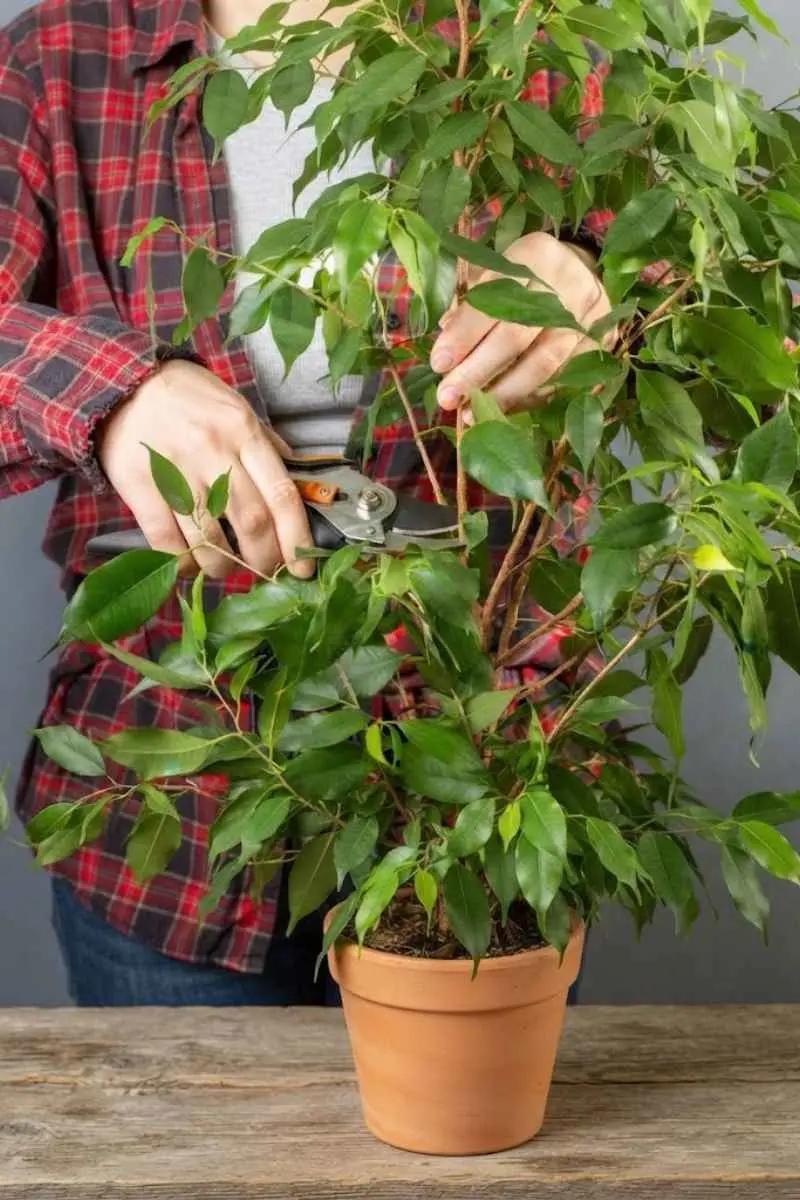
Prune your weeping fig when it becomes too large for its location or needs shaping. Regular pruning can help maintain a manageable size and attractive form.
Remove dead growth with clean, sharp pruning shears. You can also prune and train young stems into decorative forms, such as braided or spiraled shapes, making a weeping fig a versatile indoor tree.
8. Don’t panic when leaves start falling
Leaf drop is one of the most common ways a weeping fig responds to stress. Overwatering, underwatering, low light, drafts, temperature changes, repotting, and moving the plant can all cause leaves to fall.
If you’ve recently moved or repotted your fig, give it time to adjust rather than changing several parts of its care routine at once. Don’t compensate for falling leaves by watering more; excess moisture can create another problem. Once growing conditions stabilize, the plant can begin producing healthy new growth.
Yellowing leaves can have several causes, including watering problems, low light, temperature stress, and pests. Look at the plant’s overall growing conditions before making a change rather than assuming one symptom has a single cause.
9. Know when it’s time to repot
A weeping fig can tolerate being somewhat root-bound, so you don’t necessarily need to repot it on a strict yearly schedule. Instead, watch for signs that the container has become too crowded, such as slower growth or smaller new leaves.
When the roots have filled the container and the plant needs more room, move it into a slightly larger pot with fresh, well-draining potting mix.
10. Watch for pests and make room for growth
Keep an eye on your weeping fig for common houseplant pests, including scale and spider mites. Fine webbing, stippled leaves, or other unusual changes in the foliage can be signs of an infestation, so inspect the plant regularly.
Choose a spot with enough room for the plant to grow, and use pruning to keep its size manageable. If you have pets, keep the plant out of their reach because weeping figs are toxic to dogs and cats.
FAQs
How much light does a weeping fig need?
Give it bright light, preferably bright indirect light. East-, west-, or south-facing windows can work, with protection from harsh afternoon sun when needed.
Why is my weeping fig suddenly dropping leaves?
Sudden changes in light or temperature, drafts, overwatering, and underwatering are common triggers. Check the plant’s recent environment and watering routine before making additional changes.
How do I know when to repot a weeping fig?
Look for signs that the roots have filled the container or growth has slowed. When repotting is necessary, move it into a container only slightly larger than the current one.