Table of Contents
Few things make pet owners panic faster than spotting a cat chewing on a new houseplant. And unfortunately, some of the most common succulents — including aloe and jade plants — can genuinely cause problems for pets.
Pet-safe succulents have become much easier to find in recent years. Many offer the same sculptural shapes, soft desert colors, and low-maintenance appeal people want from indoor plants, without the toxicity concerns.
These are some of the best options for homes shared with curious cats and dogs.
1. Burro’s Tail (Sedum morganianum)
source:reddit
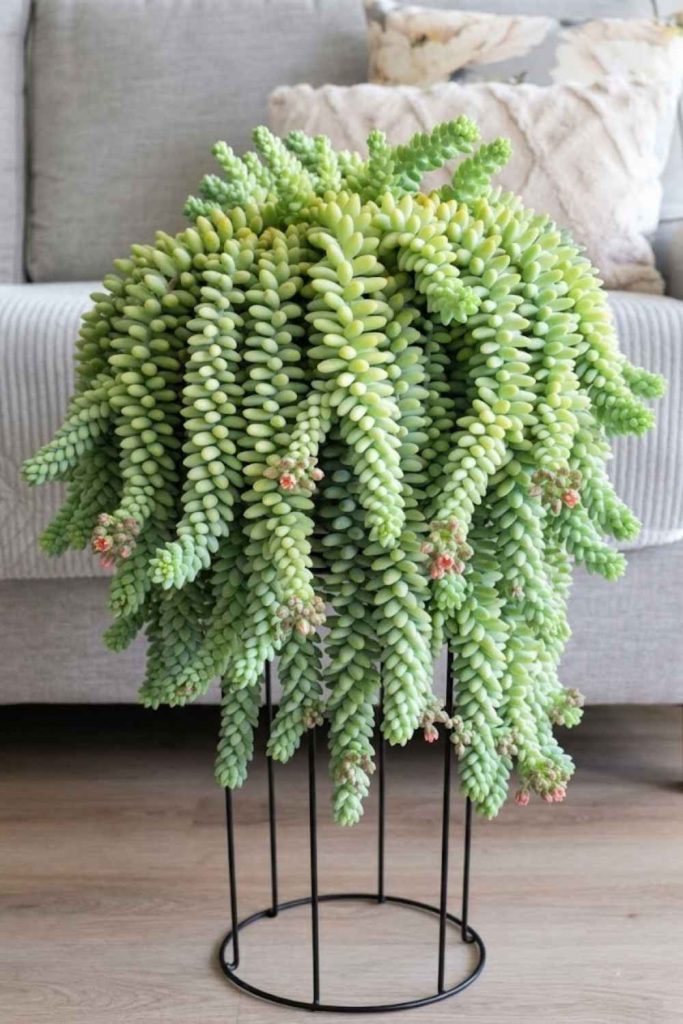
Burro’s Tail creates some of the softest trailing texture you can get from a succulent.
The thick pale-green stems spill naturally over the edges of hanging planters and shelves, which helps brighten sharper corners or minimalist rooms that need something looser visually. It tends to look best slightly elevated, where the trailing stems have room to drape naturally.
The leaves fall off easily if bumped, though that is usually more annoying than harmful in pet-friendly homes since the plant itself is considered non-toxic.
2. Zebra Haworthia (Haworthia attenuata)
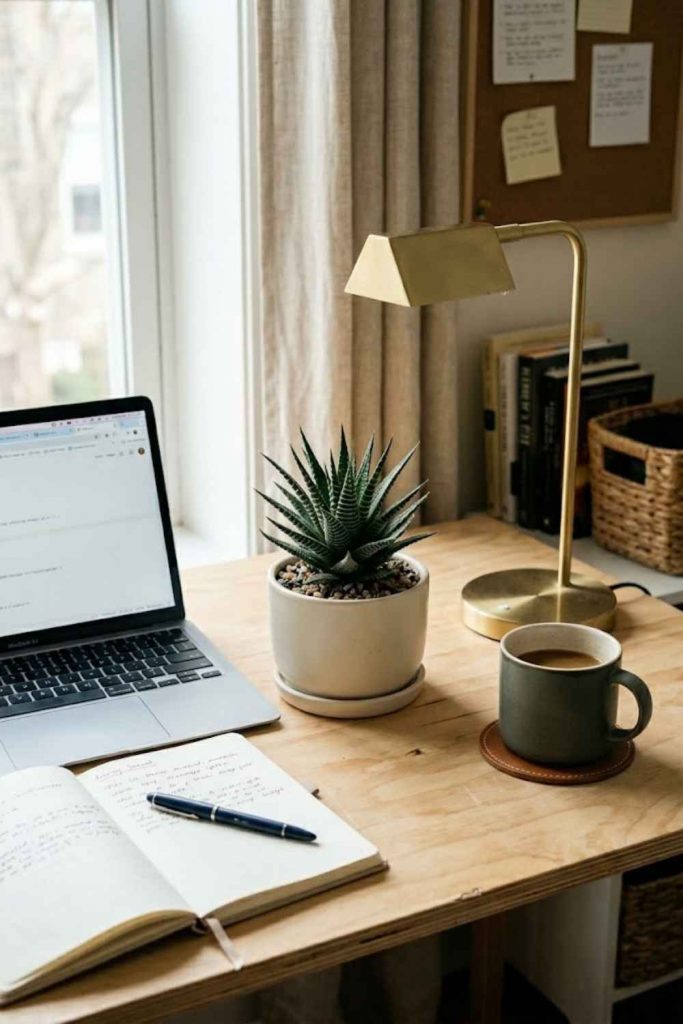
For people who like the look of aloe plants but want something safer around pets, Zebra Haworthia is usually the easiest substitute.
The pointed dark green leaves stay compact and structured, while the white horizontal ridges give the plant a more graphic, architectural look than most small succulents.
It also adapts well to desks, shelves, and smaller apartments because it stays relatively compact over time.
3. Christmas Cactus (Schlumbergera x buckleyi)
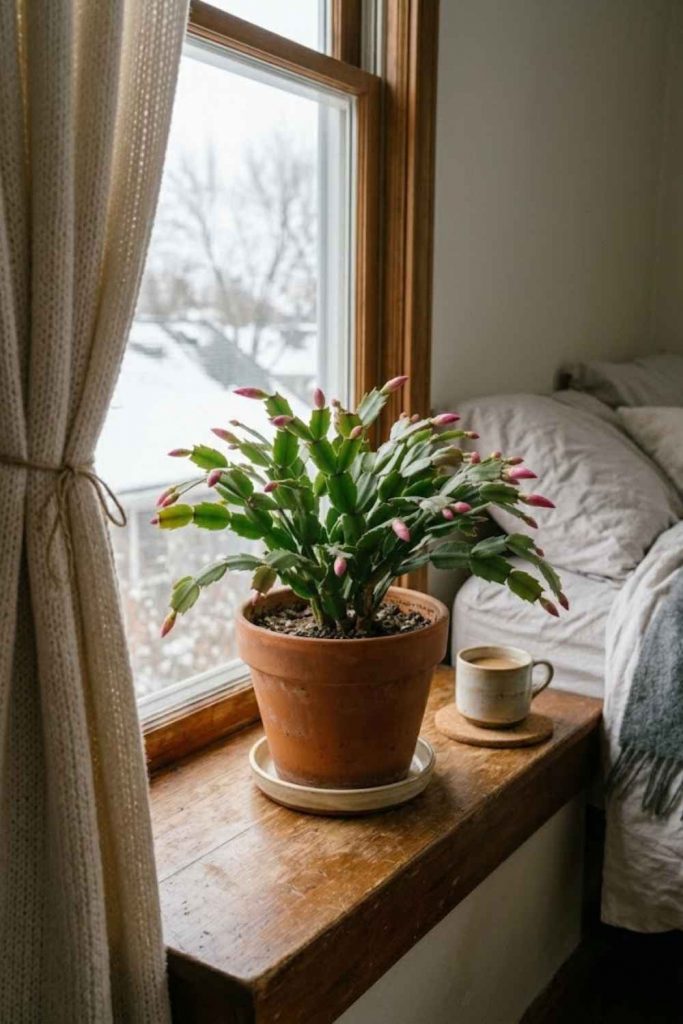
Christmas cactus feels softer and more relaxed than many desert succulents.
The flattened stems drape gently as the plant matures, and during bloom season the flowers add an unexpected burst of color to darker winter interiors. Unlike true desert cacti, it does not have sharp spines, which makes it easier to live with in busier homes.
It is also one of those plants people tend to keep for years without trying very hard.
4. Hens and Chicks (Sempervivum tectorum)
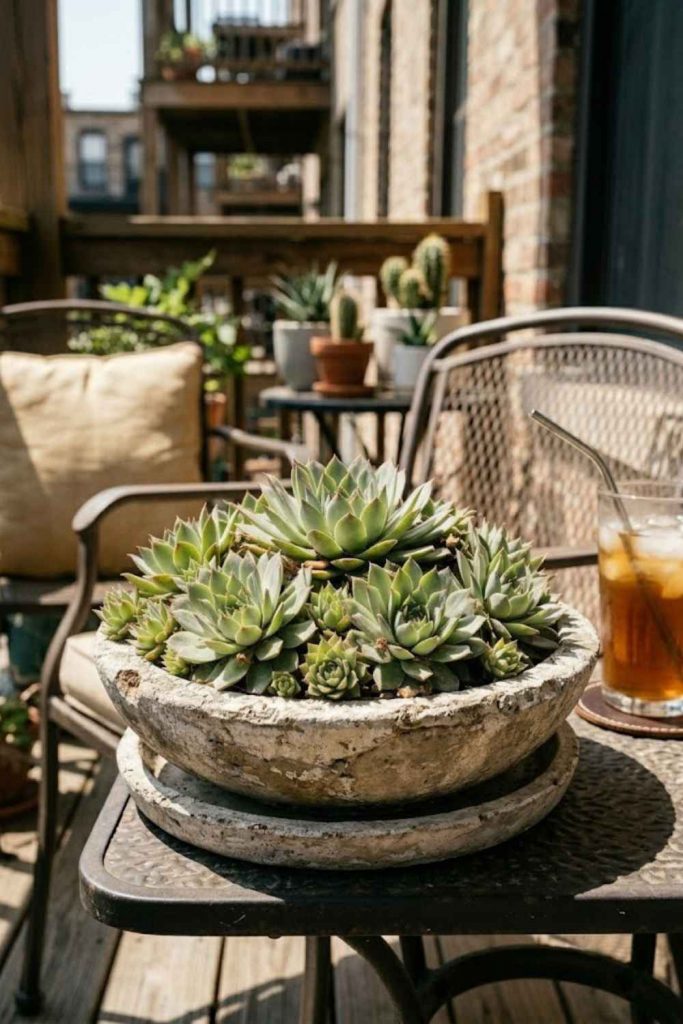
Hens and Chicks are about as low-maintenance as succulents get.
The compact rosettes slowly spread outward by producing clusters of smaller offsets around the base, which makes containers feel fuller over time without much effort. They handle missed waterings, heat, and outdoor patio conditions surprisingly well.
In bright windows or balcony planters, they almost take care of themselves.
5. Ponytail Palm (Beaucarnea recurvata)
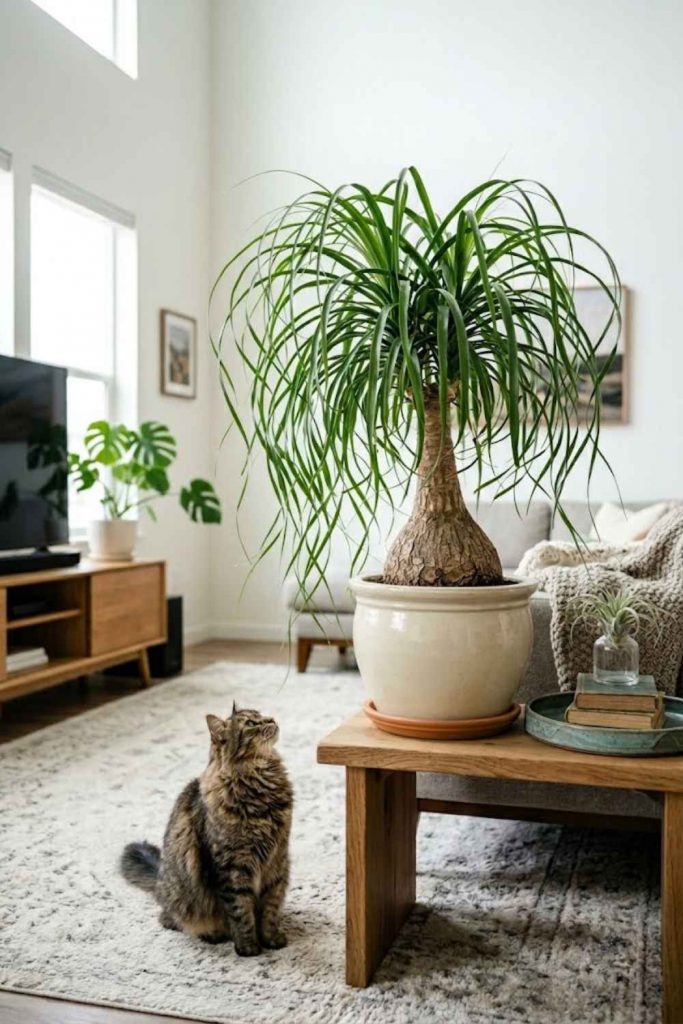
Despite the name, Ponytail Palm is technically a succulent rather than a true palm.
The swollen trunk stores water while the long ribbon-like leaves spill outward in loose curls, giving the plant a playful shape that works especially well in bright living rooms.
Cats usually become fascinated with the dangling leaves pretty quickly. The good news is that the plant itself is considered non-toxic to cats and dogs.
In homes with especially determined pets, keeping the plant slightly elevated often helps prevent excessive chewing.
6. Echeveria (Echeveria spp.)
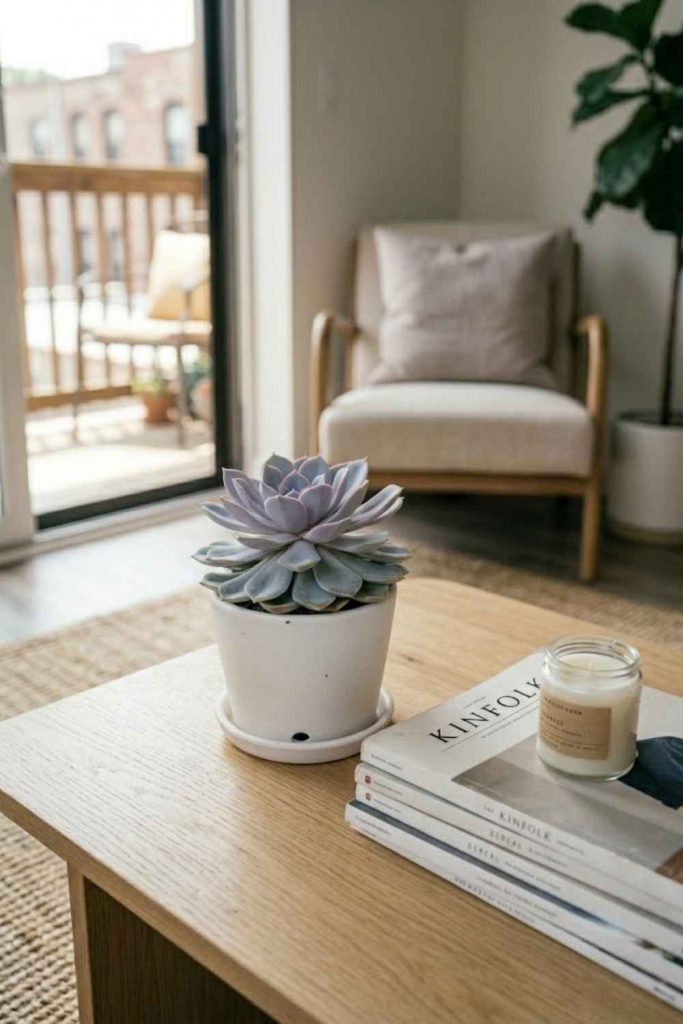
Echeverias are popular for a reason.
The symmetrical rosettes come in soft shades of blue-green, lavender, silver, and dusty pink, which makes them easy to style with modern ceramics or lighter interiors. Most stay relatively compact and only need bright light plus occasional watering to remain healthy.
Because they stay low to the soil, they also work well on coffee tables or lower shelving where larger plants would feel too heavy.
7. Elephant Bush (Portulacaria afra)
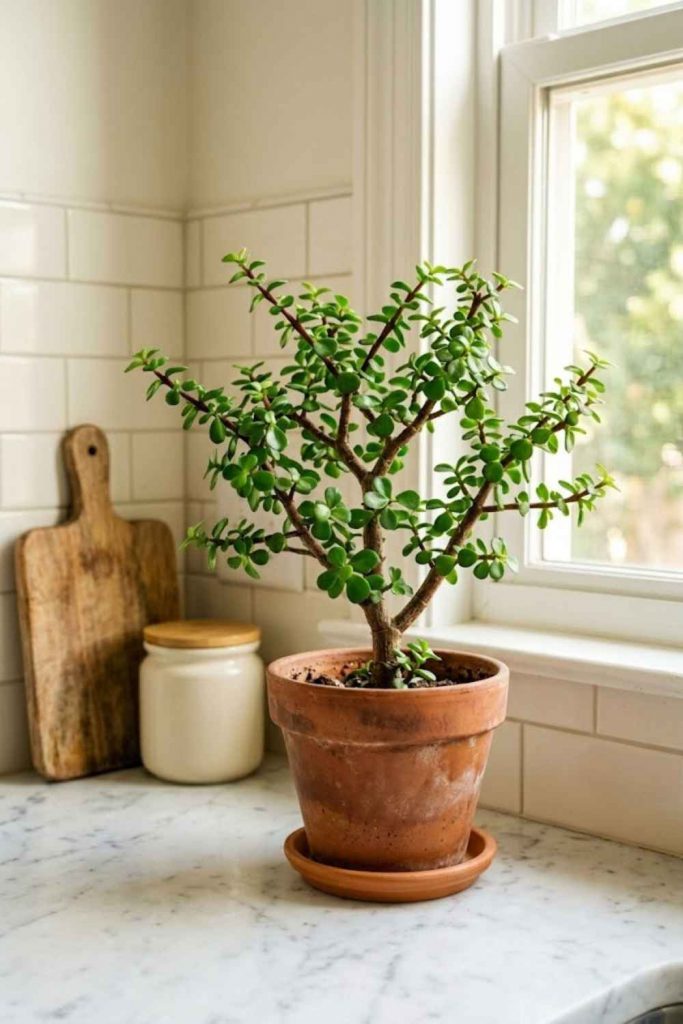
Elephant Bush often gets mistaken for jade plant at first glance, but the two behave very differently around pets.
The small rounded leaves and woody stems give it the look of a miniature indoor tree, especially once the plant matures and starts branching outward. It also responds well to pruning, which makes it useful for people who prefer more controlled shapes indoors.
Unlike jade plant, Elephant Bush is generally considered non-toxic to cats and dogs.
8. Ghost Plant (Graptopetalum paraguayense)
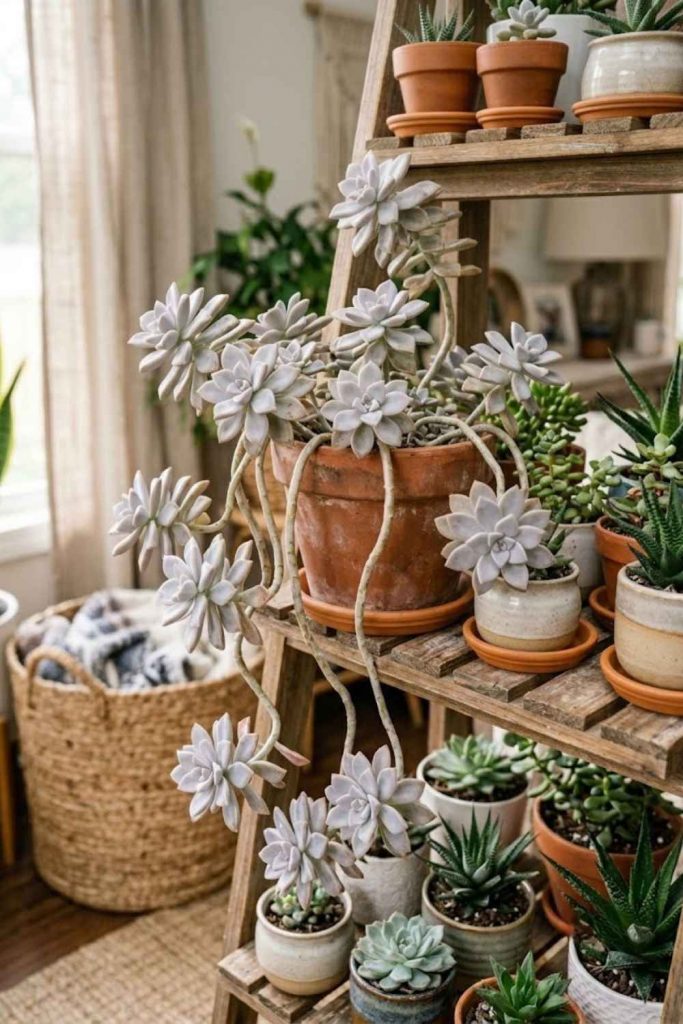
Ghost Plant has a softer look than many sharper desert succulents.
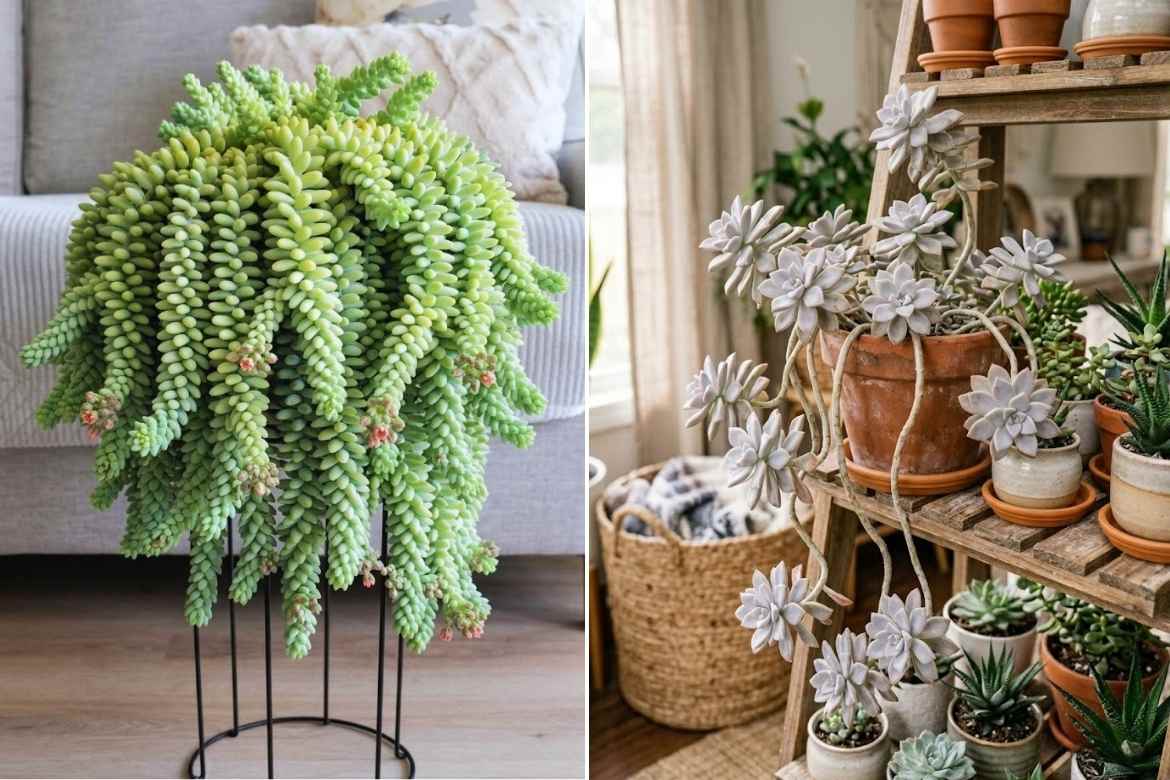
The pale gray-lavender rosettes gradually trail outward as the stems mature, creating a looser, slightly weathered texture on shelves or plant stands. In brighter light, the coloring often shifts subtly pink.
It is an easy plant to mix with other succulents because it never feels visually heavy.
9. Prickly Pear Cactus (Opuntia spp.)
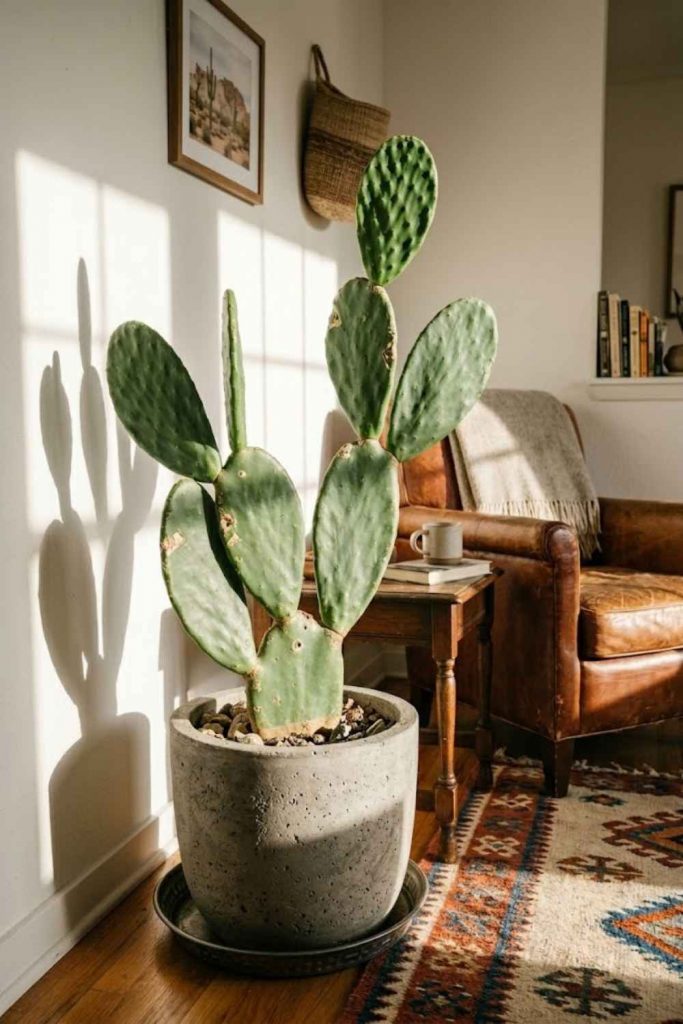
Prickly Pear cactus is technically non-toxic, but it still deserves more caution than most plants on this list.
The flat paddle-shaped segments are beautiful indoors, especially in brighter southwestern-style spaces, but the tiny hair-like prickles can irritate curious noses or paws very quickly. For pet households, spineless varieties are usually the safer option.
Placement matters a lot with this one.
10. Gasteria (Gasteria spp.)
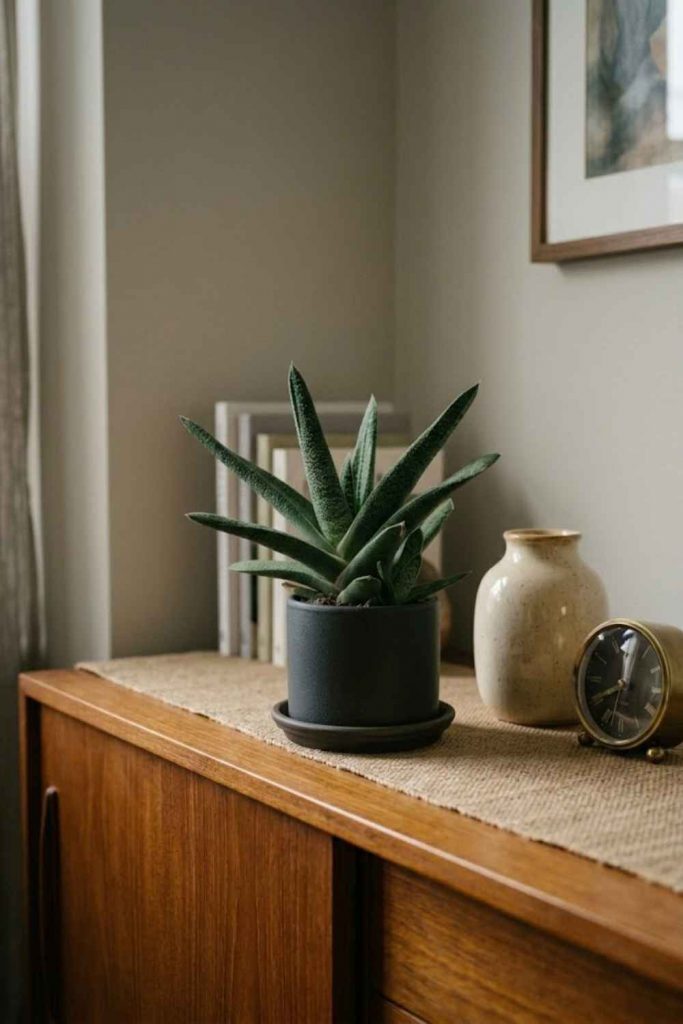
Gasteria tends to tolerate lower light better than many other succulents, which makes it especially useful for apartments that do not get strong sun all day.
The thick, textured leaves grow slowly and stay fairly compact over time. It is not the flashiest succulent on this list, but it is one of the easier ones to live with long term.
11. String of Hearts (Ceropegia woodii)
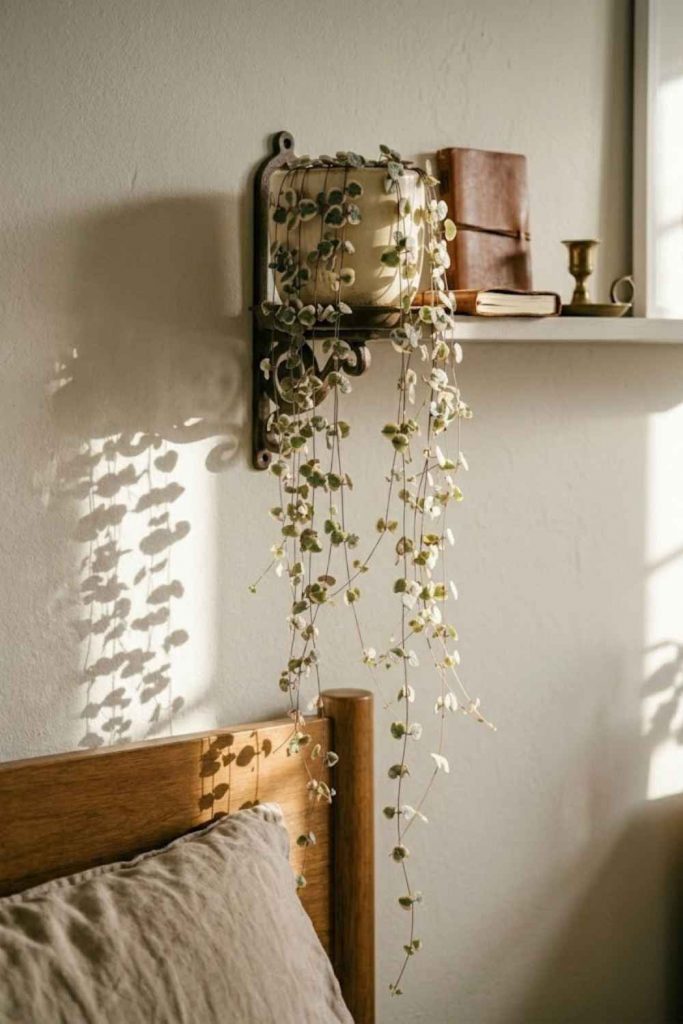
String of Hearts is usually grown more for the trailing vines than the leaves themselves.
The thin stems spill downward with small heart-shaped foliage that adds softer movement to shelves, hanging planters, or narrower spaces where fuller trailing plants can feel too bulky.
Because pet-safety information around this plant can vary depending on the source, cautious pet owners may still prefer to keep it slightly out of reach.
12. Living Stones (Lithops spp.)
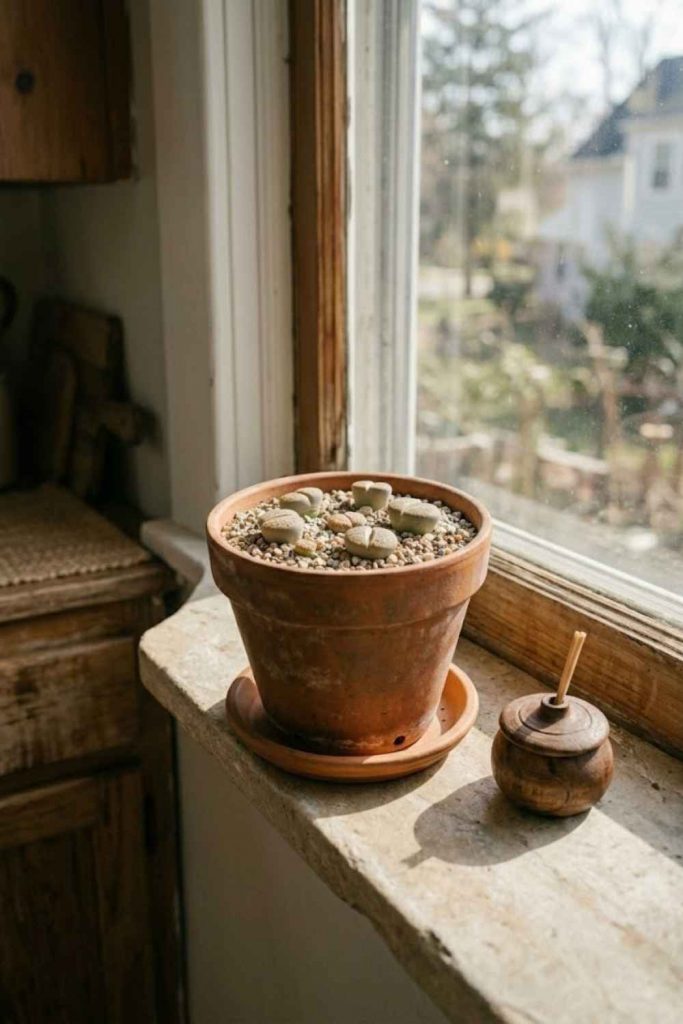
Lithops barely look like plants at all.
The pebble-like shapes sit almost flush with the soil and need surprisingly little water, which makes them easy to ignore in the best possible way. They also tend to become conversation pieces in brighter kitchens or windowsills simply because they look so strange.
Most pets lose interest quickly.
13. Blue Echeveria (Echeveria secunda)
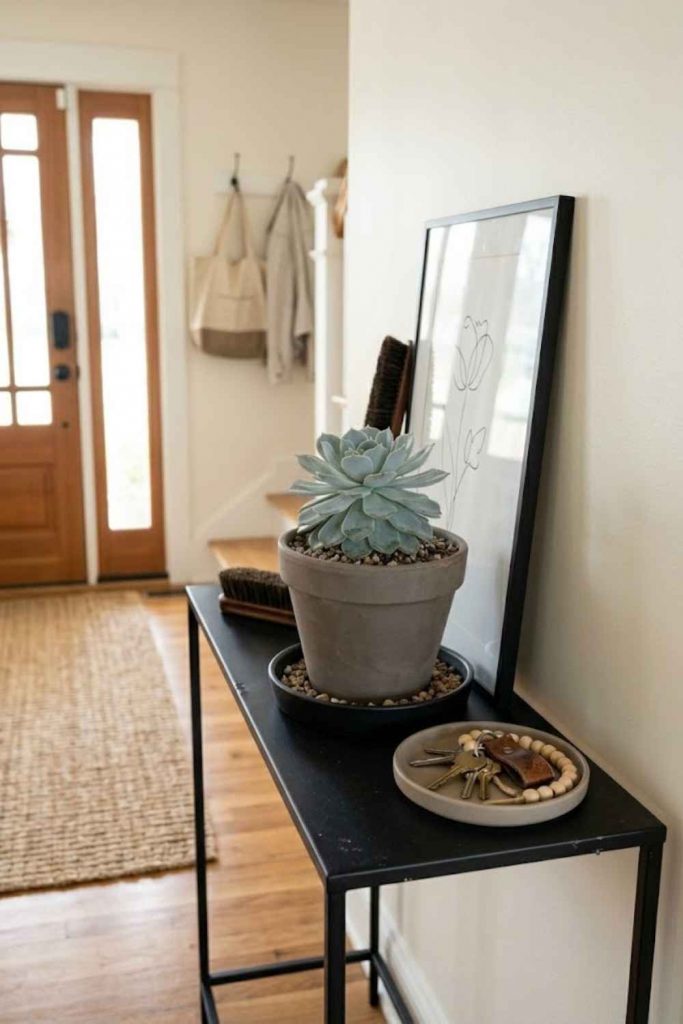
Blue Echeveria has a cleaner, more sculptural look than many softer rosette succulents.
The pale silvery-blue leaves stay tightly layered, and mature plants occasionally send up thin flowering stalks with coral-toned blooms in spring.
It works especially well in simple ceramic pots where the shape can stand out on its own.
14. Ruby’s Necklace (Othonna capensis)
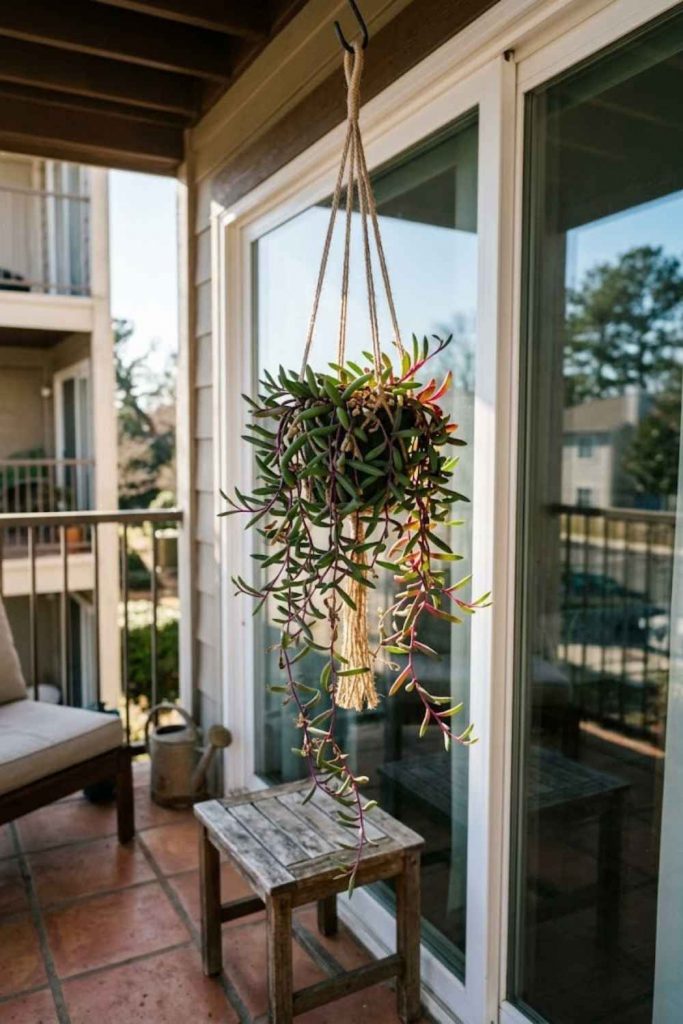
Ruby’s Necklace brings stronger color contrast than most trailing succulents.
The narrow bean-shaped leaves grow along deep purple stems, and in brighter sunlight the entire plant often develops a richer reddish tone. Hanging planters usually show off the trailing shape best.
It adds color without feeling overly tropical or dense.
15. Ice Plant (Delosperma spp.)
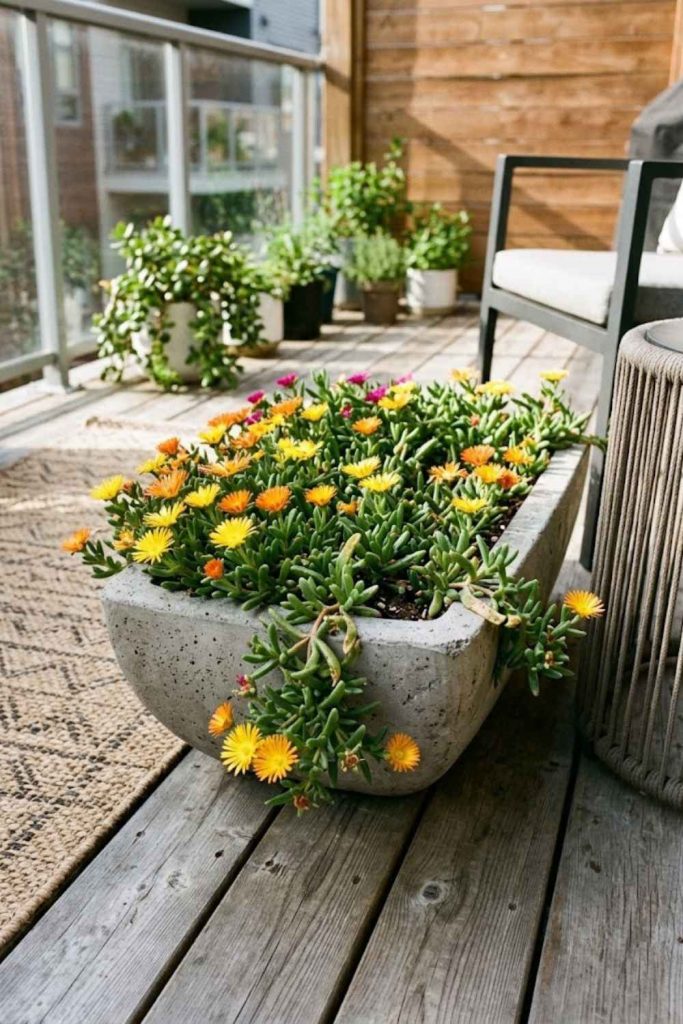
Ice Plant is more commonly used outdoors than indoors, especially in sunny balconies, patios, or dry backyard landscapes.
The low-growing foliage spreads quickly and produces bright daisy-like flowers that hold up well in heat. For pet owners looking for drought-tolerant outdoor color, it is one of the easier options to maintain.
It also handles foot traffic better than many softer groundcovers.
What to Know Before Bringing Pet-Safe Succulents Home
“Pet-safe” does not necessarily mean pets should freely chew on the plant. Even non-toxic succulents can still upset a cat or dog’s stomach if too much foliage gets eaten.
Placement still matters too. Hanging planters, heavier pots, and brighter windows often protect both the plants and your floors better than leaving fragile succulents directly in high-traffic areas.
And realistically, some plants simply hold up better in pet households than others. The best choices are usually the ones that still look good after being lived with a little.
FAQs
Can pets still get sick from pet-safe succulents?
Yes — even non-toxic succulents can still upset a cat or dog’s stomach if too much of the plant is eaten. “Pet-safe” simply means the plant does not contain dangerous toxins.
How can I stop pets from chewing on succulents?
Placement helps most. Hanging planters, taller shelves, and heavier pots usually discourage chewing and prevent plants from getting knocked over easily.
Are cactus spines still dangerous if the plant is non-toxic?
Sometimes, yes. Even non-toxic cacti like certain prickly pear varieties can still irritate paws, noses, or mouths because of their tiny spines or hair-like prickles. Spineless varieties are usually safer for pet households.