Table of Contents
Houseplants bring color and life into our homes, but some popular houseplants contain natural compounds that can cause irritation or illness if eaten.
While many reactions are mild, curious pets and young children may be more likely to chew leaves or flowers, making plant placement an important part of a safe home.
These ten common houseplants are worth knowing about, especially if you share your home with pets or young children.
1. Philodendrons
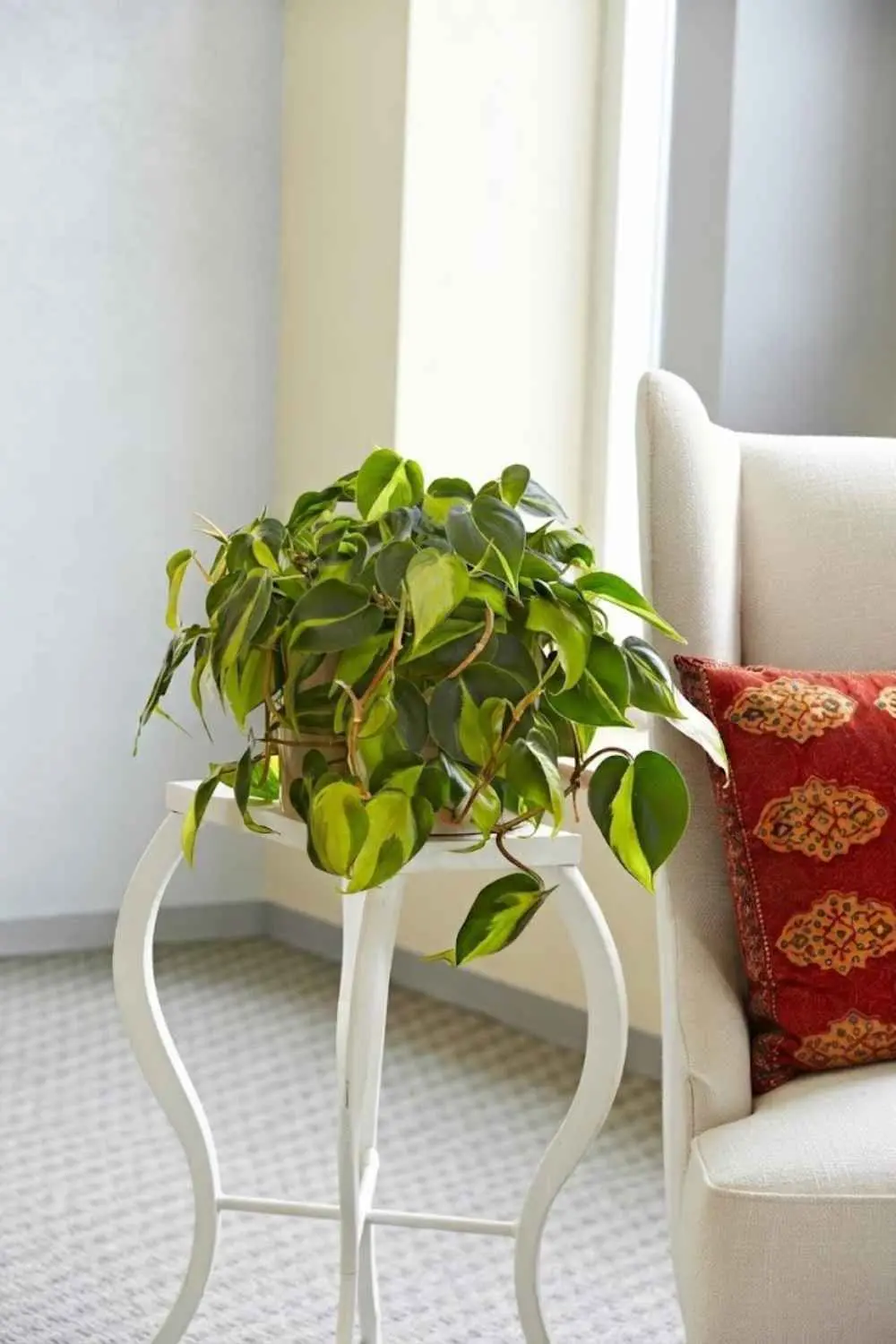
Philodendrons are among the most popular houseplants, but their leaves contain compounds that can irritate the mouth if chewed.
Chewing the leaves can cause immediate burning, heavy drooling, and visible swelling because the plant contains insoluble calcium oxalate crystals that irritate the mouth and tongue.
Because the reaction is instant, most animals stop after the first bite, preventing them from swallowing large amounts. If you keep a trailing variety, ensure the vines are pinned up well away from low furniture.
2. Peace Lilies
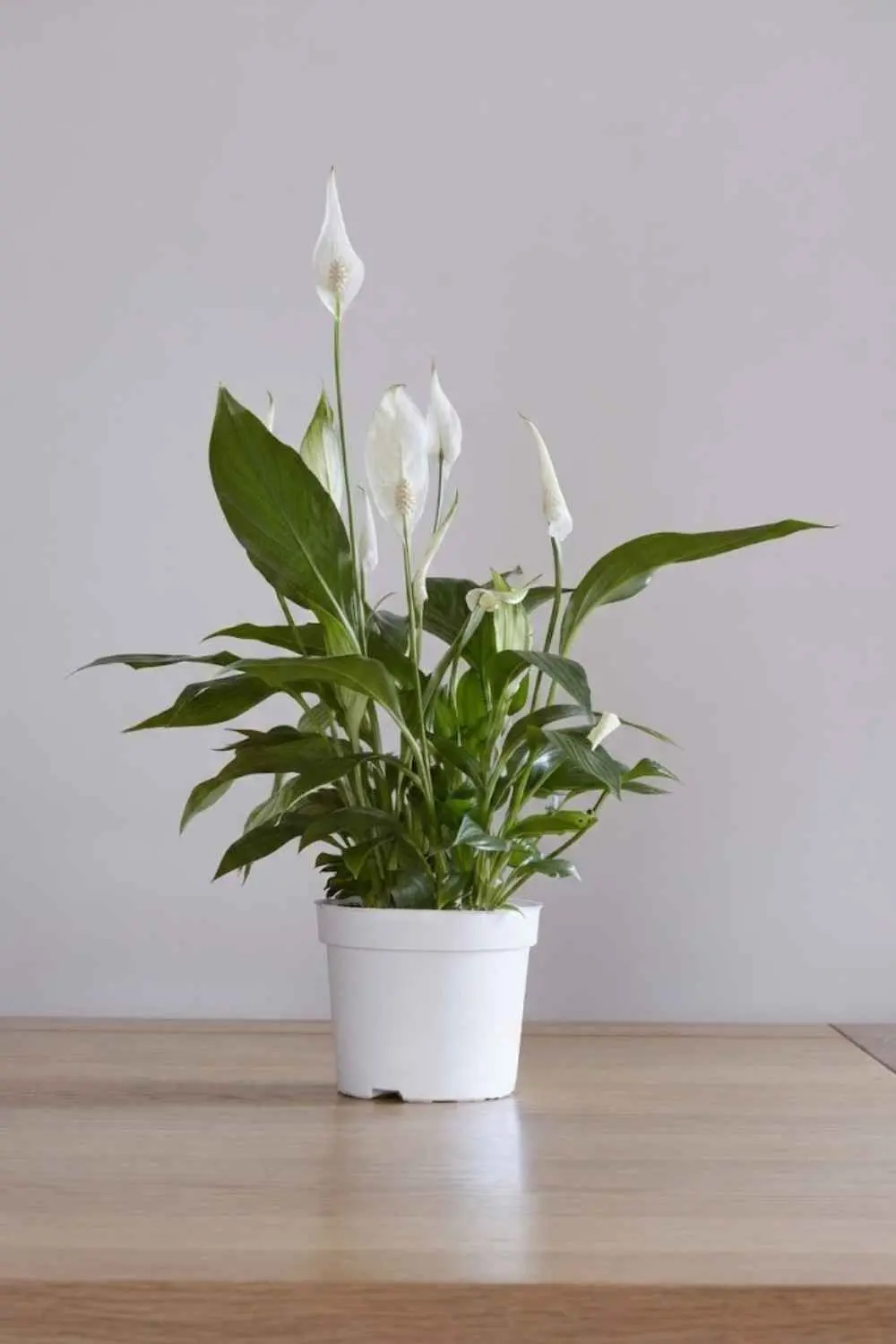
If chewed, peace lilies cause immediate oral pain. Dogs and cats often paw at the mouth, vomit, or suddenly refuse to eat.
Like philodendrons, this species is packed with insoluble calcium oxalate crystals that irritate tissues upon contact.
Because peace lilies are typically sold in large, floor-standing pots, they are easily accessible to pets. Moving them onto a high plant stand or a sturdy side table is usually enough to reduce the risk of accidental chewing.
3. Pothos (Devil’s Ivy)
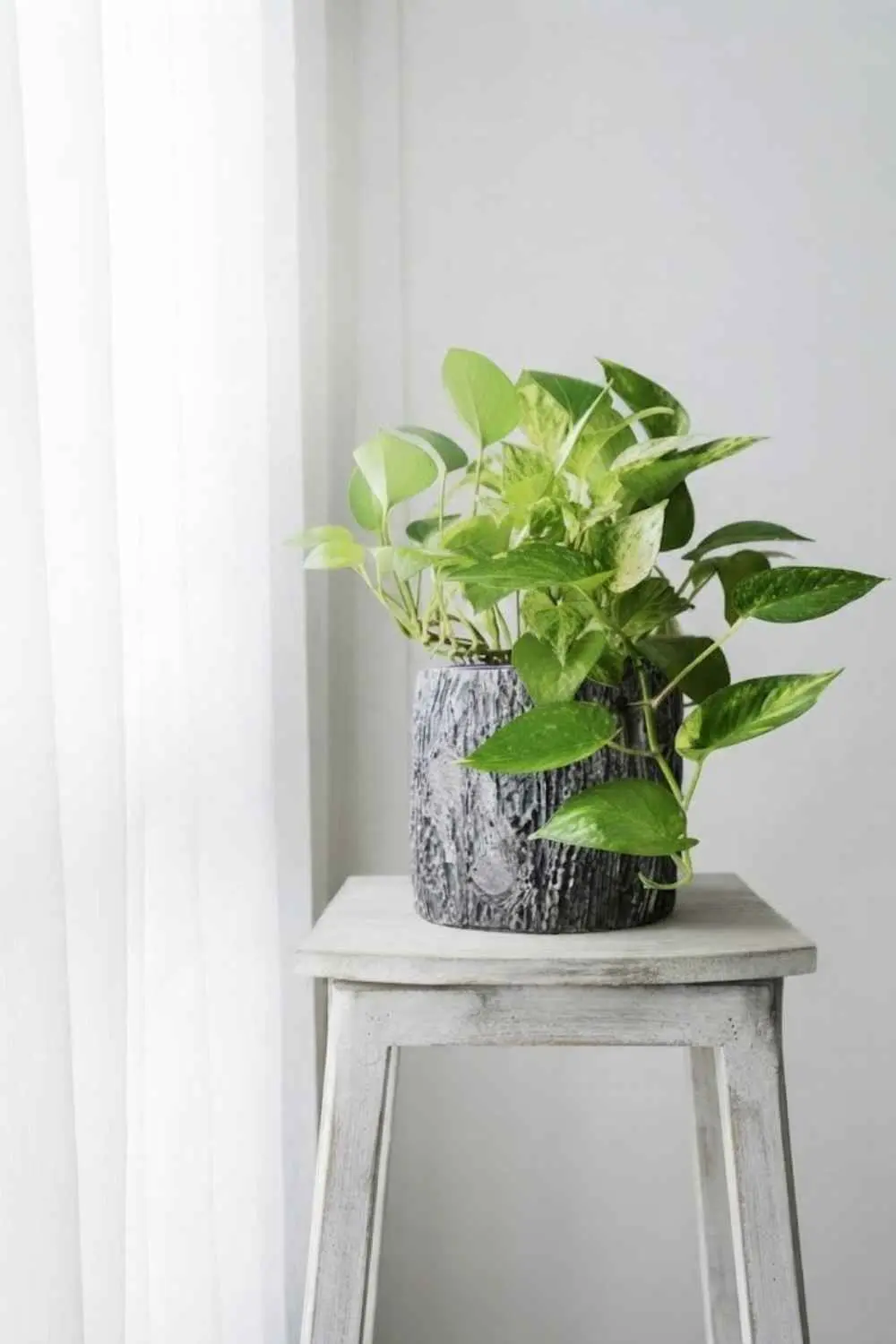
Chewing pothos leaves can cause severe oral discomfort, foaming at the mouth, and stomach upset. Like philodendrons and peace lilies, pothos contains irritating calcium oxalate crystals.
The primary hazard with pothos lies in its rapid growth habit; its vines naturally drape downward, making them especially tempting for playful cats and dogs.
If you notice the trailing stems creeping down toward the floor or low chairs, give them a quick trim to keep them safely out of reach.
4. Dieffenbachia
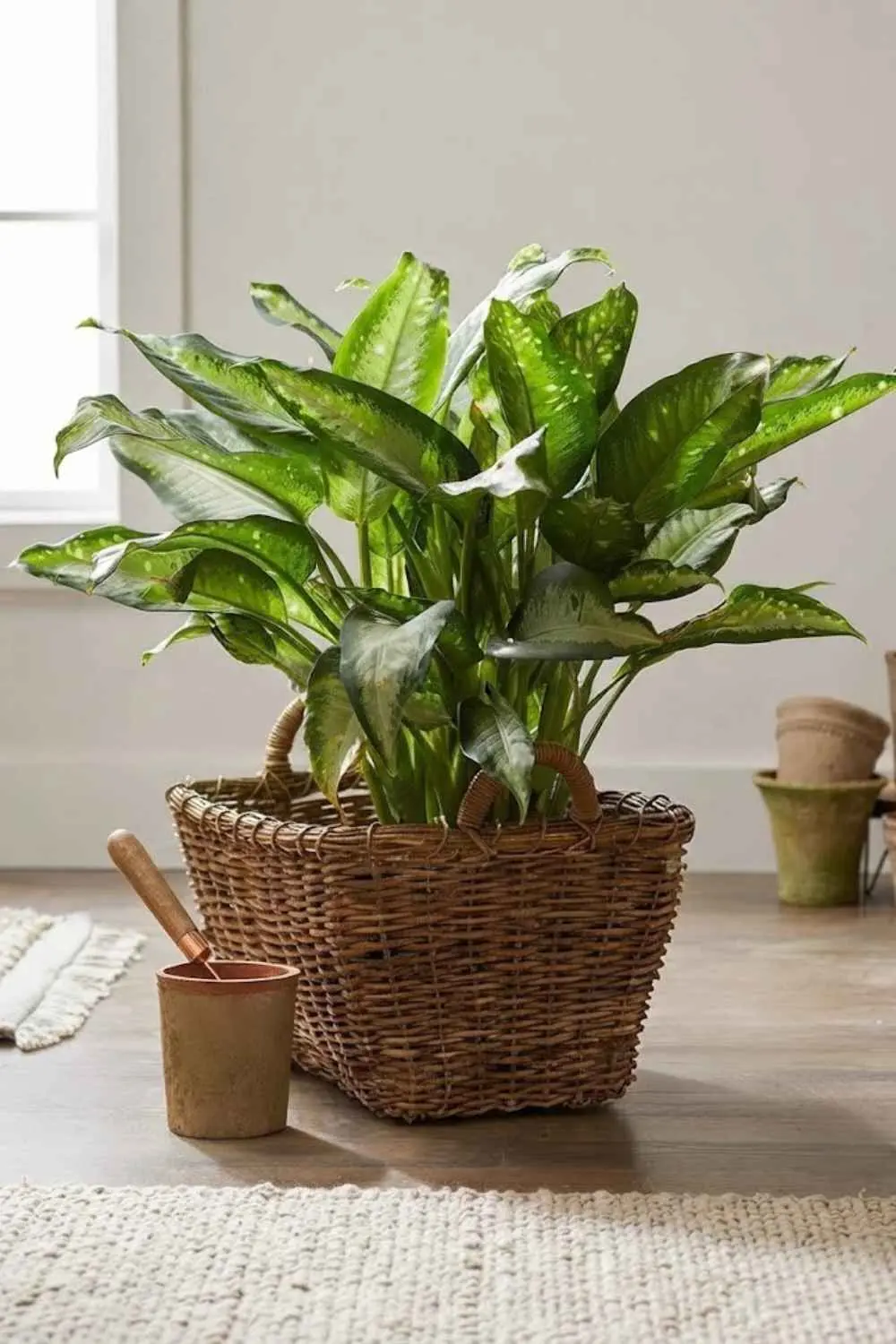
Commonly known as “dumb cane,” chewing the leaves of this plant inflames the tongue and throat, making it difficult to swallow or speak. Its sap contains a mix of oxalate crystals and enzymes that can cause significant localized swelling.
While serious airway complications are rare, the resulting inflammation can cause breathing distress in small puppies or kittens.
If you have habitual chewers in the house, it is best to skip this species entirely.
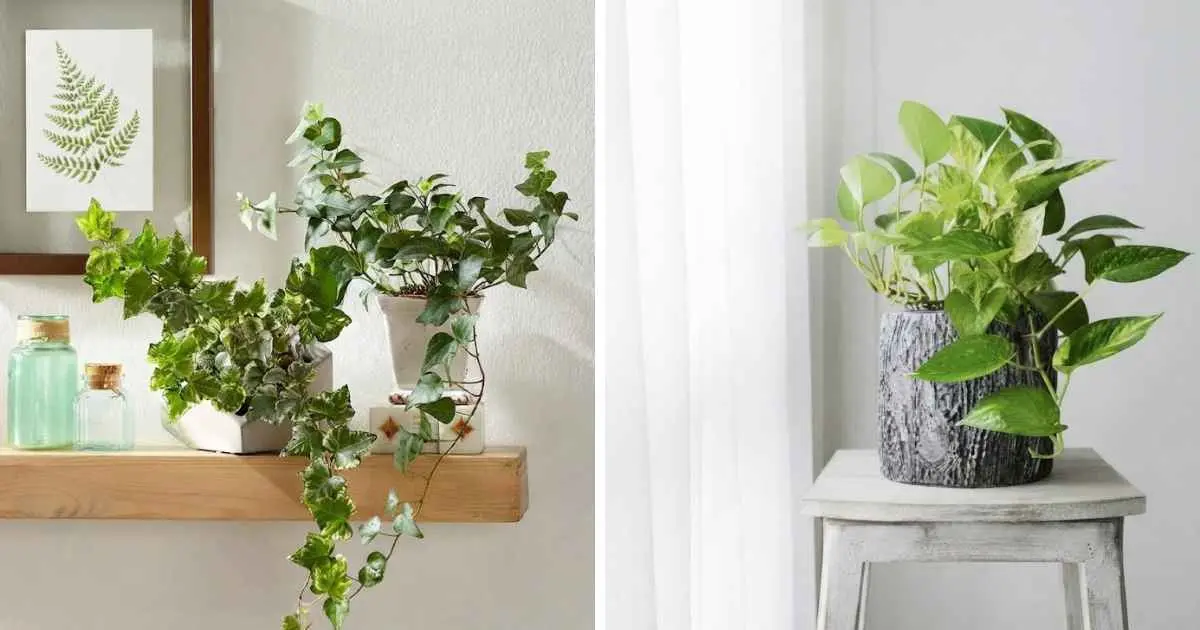
5. English Ivy
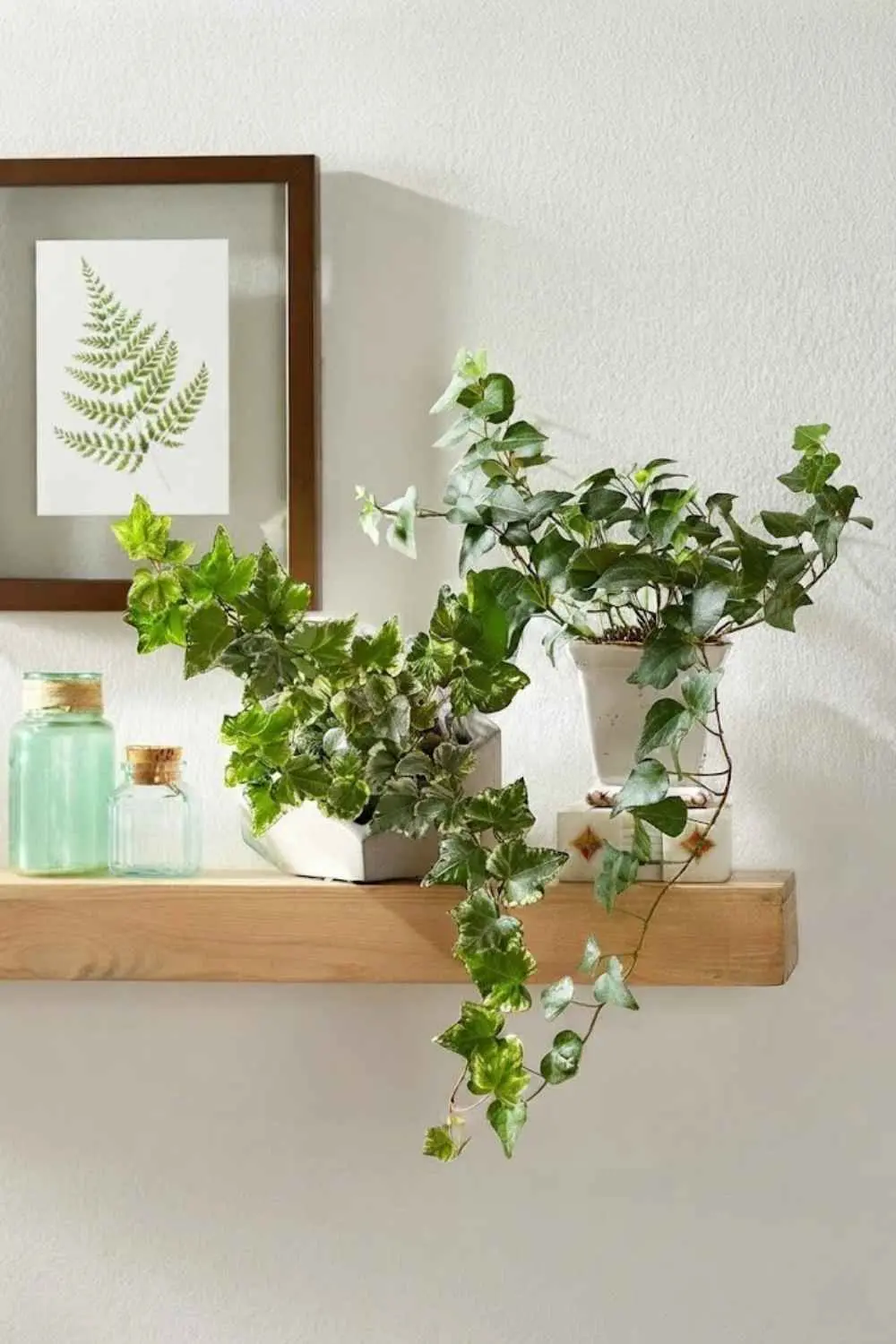
Ingesting English ivy typically leads to repeated vomiting, abdominal pain, and diarrhea in dogs and cats. The leaves and berries contain natural chemicals called saponins, which act as a gastrointestinal irritant.
Because the material can become heavy as the plant grows, ensure your hanging baskets are securely anchored so a playful animal cannot accidentally pull the entire pot down.
6. Snake Plant

If a pet manages to chew through a snake plant, it will likely suffer from nausea, drooling, and diarrhea.
While highly resilient in low-light corners, the tough, upright leaves contain saponins to protect the plant from insects and fungi. Fortunately, the bitter taste generally deters animals from going back for a second bite.
7. Sago Palm
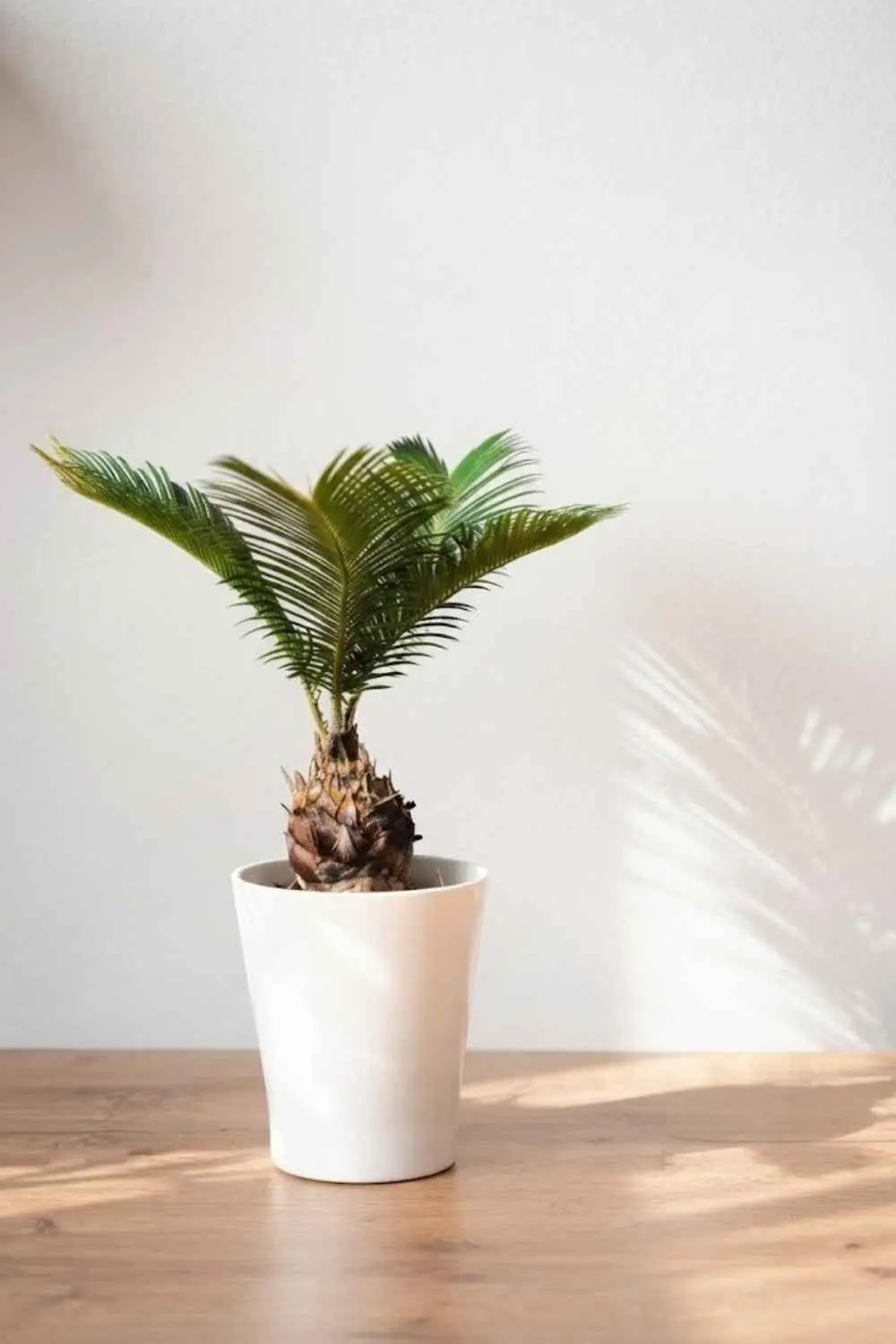
Ingesting even small amounts of a sago palm can trigger acute liver failure in dogs and cats, marked by bloody stools, jaundice, and severe vomiting.
According to the ASPCA Animal Poison Control Center, every part of this plant is poisonous, but the nut-like seeds contain the highest concentration of the toxin cycasin.
Because recovery can be difficult even with veterinary treatment, pet owners should avoid bringing this plant indoors altogether.
8. ZZ Plant
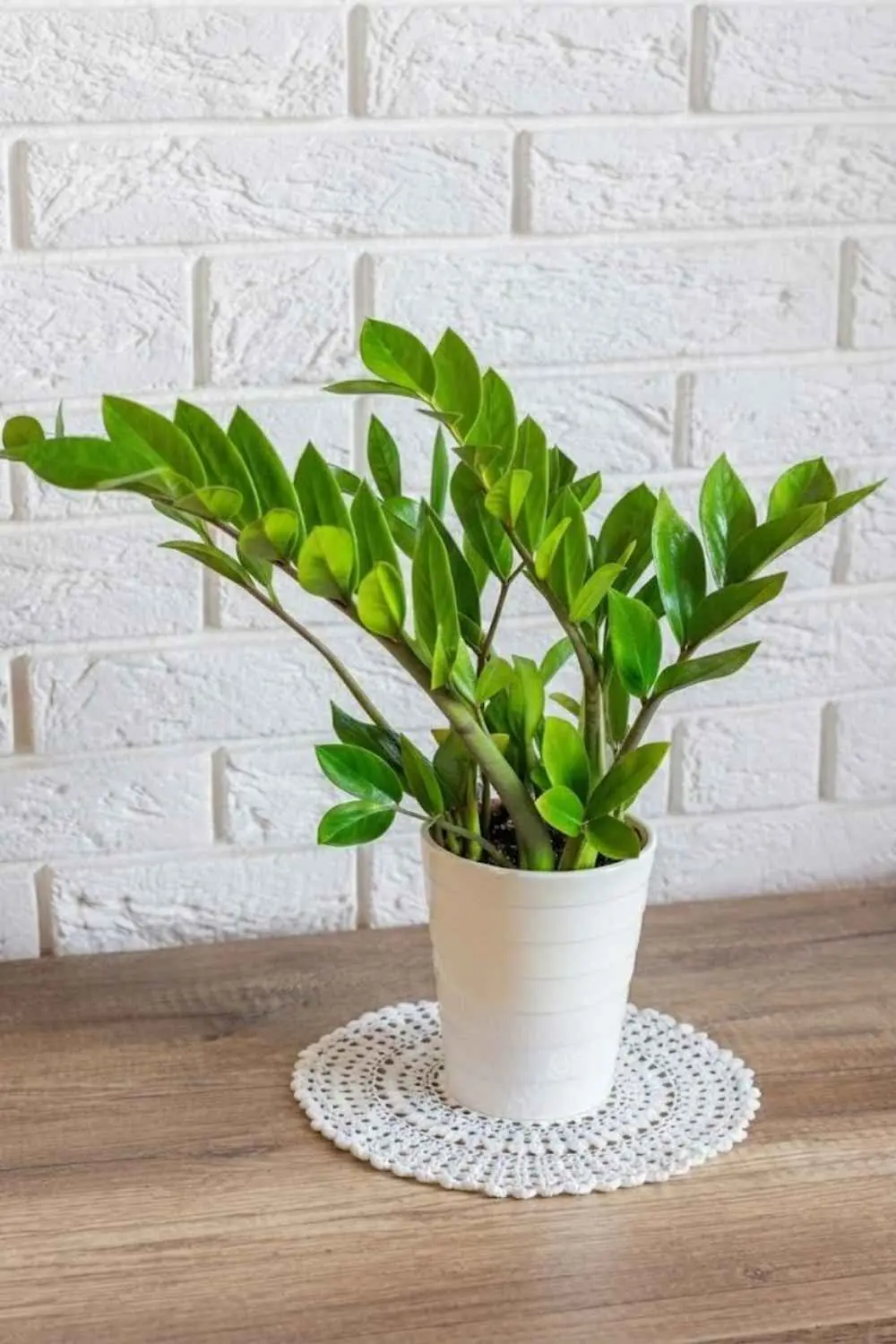
The glossy ZZ plant keeps its toxic oxalate crystals hidden throughout its thick stems and waxy leaves. Beyond causing sharp oral pain if chewed, the sap can also cause mild skin irritation and itching for humans.
Wear gardening gloves when pruning or repotting a ZZ plant. Avoid getting the sap in your eyes, and wash your hands thoroughly afterward.
9. Aloe Vera
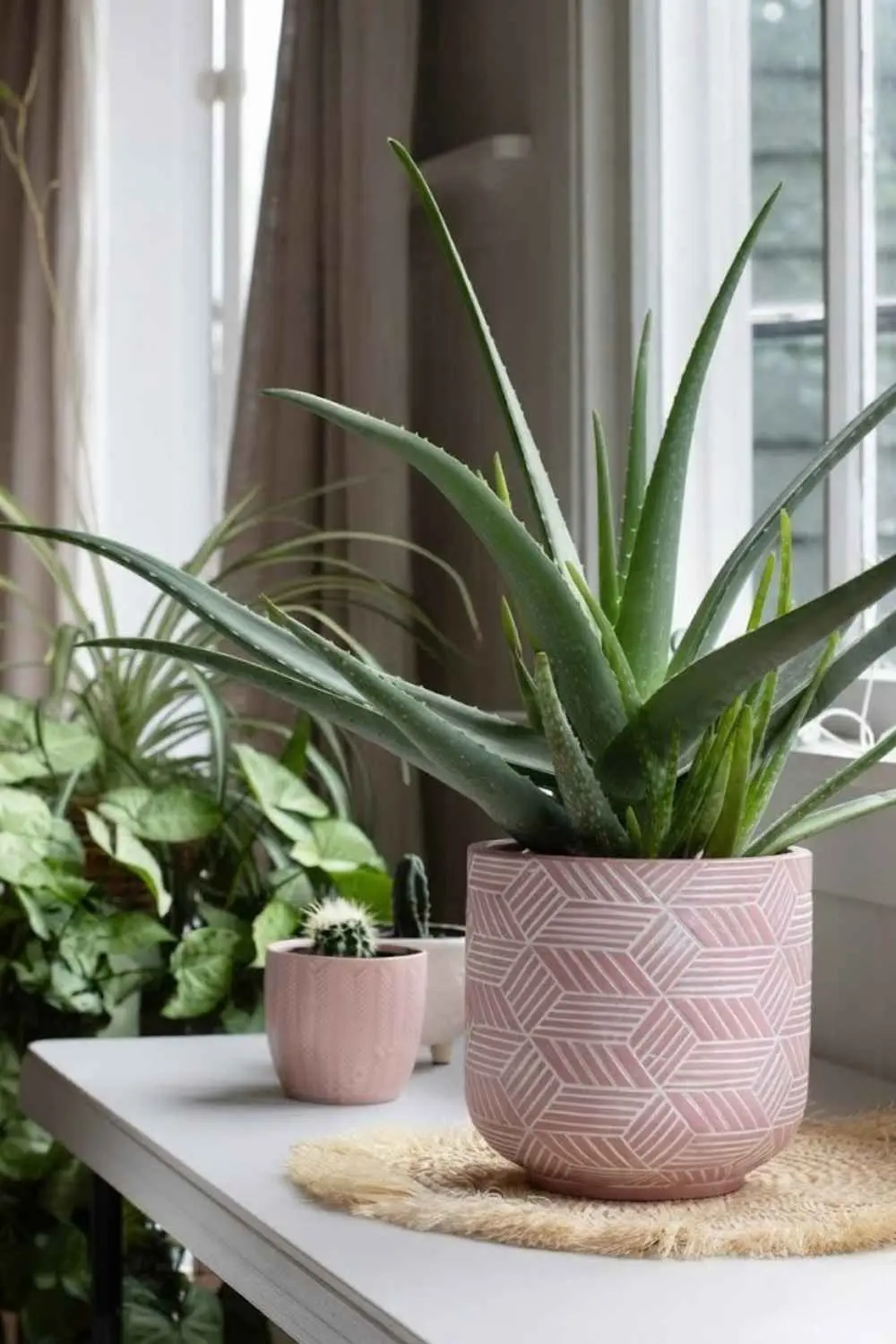
If a dog or cat swallows the outer layer of an aloe leaf, the latex compounds trigger severe stomach cramps, lethargy, and diarrhea.
While the clear, inner gel is widely used to soothe human sunburns, the outer leaf contains compounds that can upset a pet’s digestive system.
Keep aloe plants on high windowsills behind closed glass where pets cannot reach them.
10. True Lilies

True lilies—including Easter, Tiger, and Stargazer lilies—are deadly to cats, even though they cause only mild stomach upset in dogs and humans.
Data from the ASPCA Animal Poison Control Center shows that eating a single petal, licking pollen off their fur, or even drinking the water from the vase can cause acute kidney failure in cats within days.
If you share your home with a cat, these bouquets should simply never cross your threshold.
What to Do in an Emergency
For Children
Immediately wipe away any remaining plant pieces from their mouth. Have them rinse gently with water or take a few sips of milk to calm the burning sensation. Call your local Poison Control center right away for specific guidance. Do not try to induce vomiting.
For Pets
Safely remove any plant matter from their mouth and call your veterinarian or a pet poison helpline immediately. Take a quick photo of the plant on your phone or bring the plant label along to help the clinic accurately identify the species. Do not wait for symptoms to appear, as internal irritation often begins before your pet looks sick.