Table of Contents
Watering your houseplants isn’t as simple as following a weekly schedule. Different plants have different moisture needs, and light, temperature, humidity, and potting mix can all affect how quickly the soil dries out. Use these tips to know when to water, how much to give, and when to hold off.
1. Know Your Plant’s Watering Needs
Not every houseplant should be watered the same way. Tropical foliage plants generally need more consistent moisture than cacti and succulents, which prefer the soil to dry more between waterings.
Some plants like evenly moist soil, while others need the top layer to dry before you water again. Your plant’s growing conditions matter, too. A plant in a warm, bright spot may dry out faster than the same type of plant in a cooler, lower-light location.
Check your plant’s specific watering needs before settling into a routine.
2. Check the Soil Before You Water
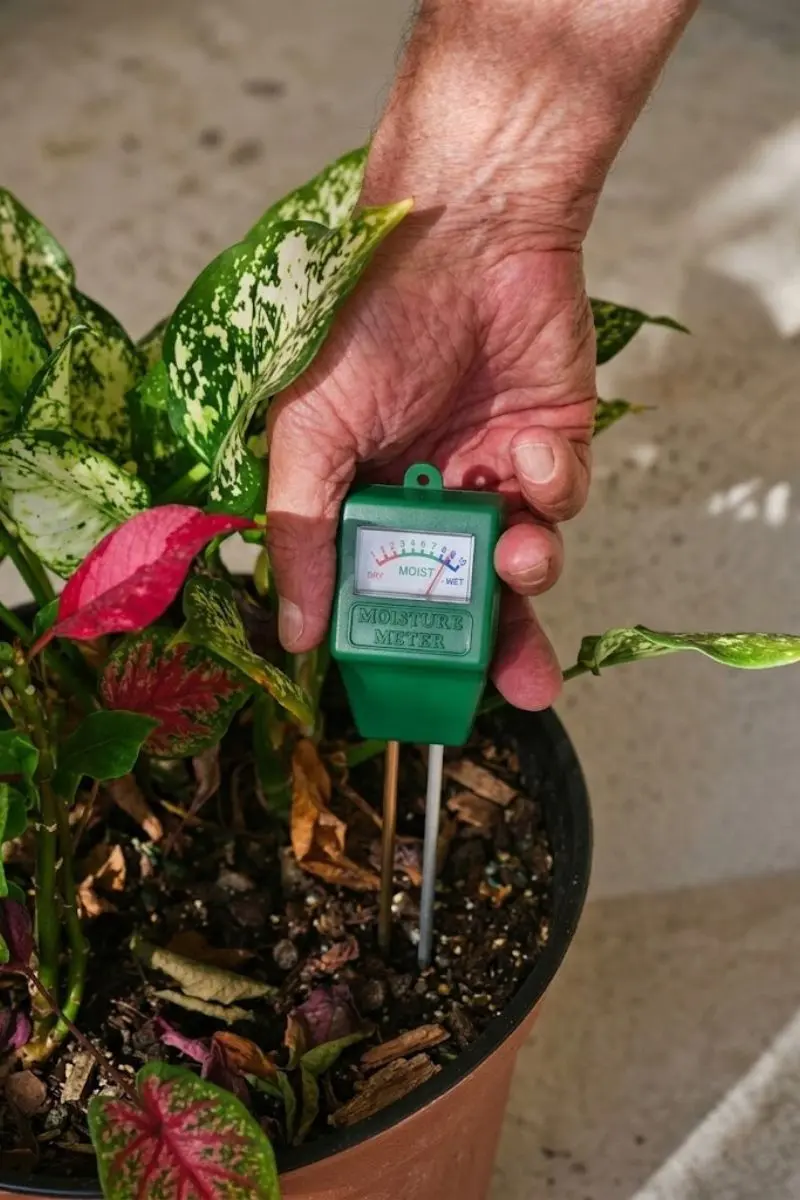
Don’t water simply because it’s been a week. Check the potting mix first.
For many common houseplants, push your finger about an inch into the potting mix. If it feels moist, wait a little longer. If it’s dry at that depth, it may be time to water. Cacti and succulents generally need the soil to dry more thoroughly between waterings.
You can also lift the pot to gauge its weight. A dry pot will usually feel lighter than one filled with moist potting mix.
3. Water Thoroughly When It’s Time
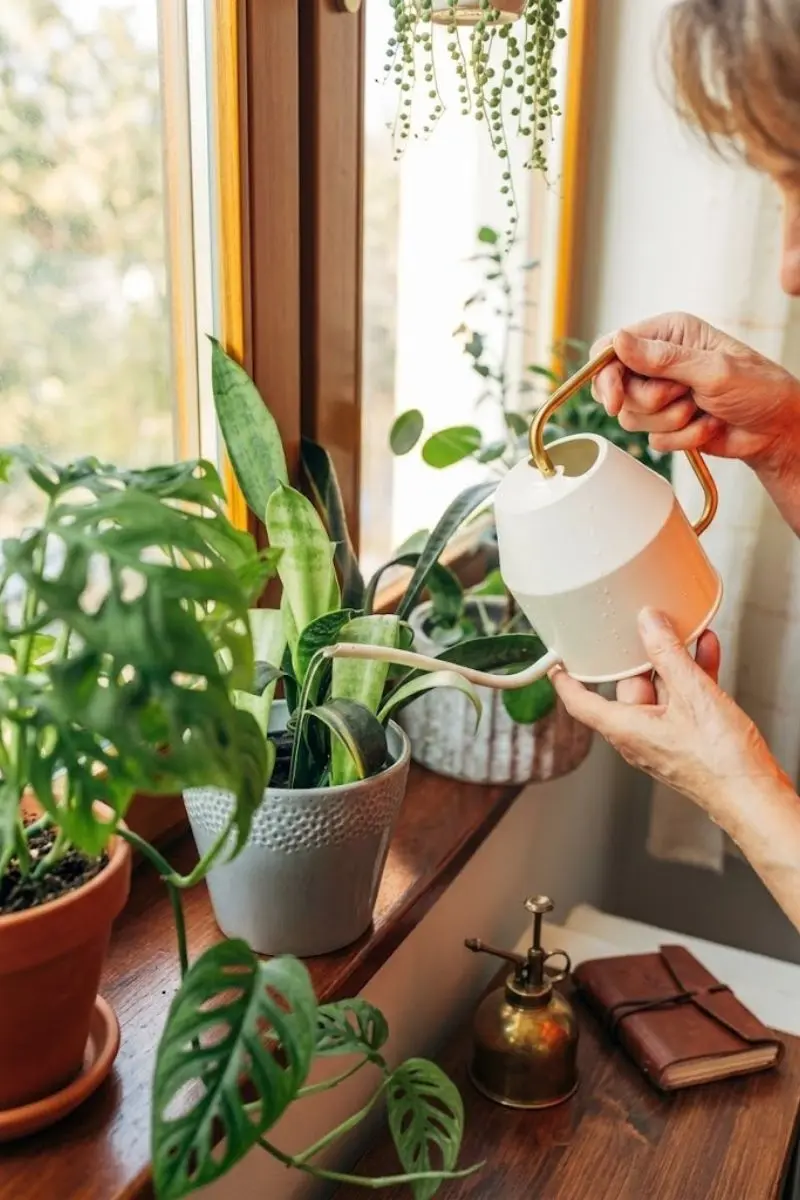
When your plant needs water, give it a thorough soaking rather than a small splash. Slowly water the potting mix until some water runs from the drainage hole at the bottom of the pot.
Let the excess drain away, then empty the saucer. Don’t leave the pot sitting in standing water, which can keep the potting mix too wet around the roots.
If your plant is inside a decorative cachepot or cover, check that water isn’t collecting underneath the inner pot.
When possible, water in the morning so excess moisture on the leaves has time to evaporate during the day.
4. Use Room-Temperature Water
Very cold water can shock some houseplants, so let water come to room temperature before using it. This matters most in winter, when tap water can be especially cold.
Tap water is fine for many houseplants, but some plants are more sensitive to minerals or chemicals in the water. Avoid using softened water when possible because it can contain salts that build up in the potting mix.
For sensitive plants, look up the water quality they prefer.
5. Try Bottom Watering for Plants That Benefit From It
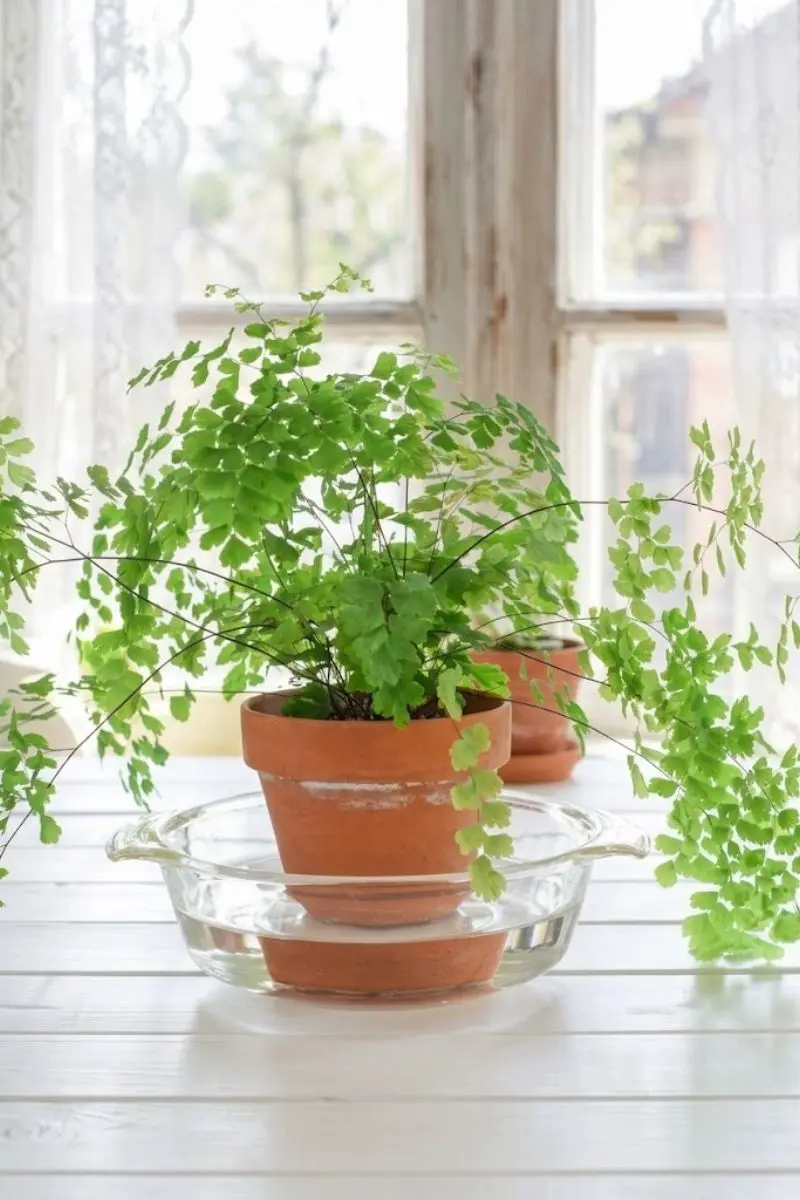
Bottom watering can be useful for some houseplants, especially those with foliage that can be damaged by water. Set the pot in a container of water and let the potting mix absorb moisture through the drainage hole.
Once the soil is thoroughly moist, remove the pot and let it drain completely.
Bottom watering isn’t necessary for every plant, but it can be handy for those that dislike wet foliage. Every few months, water from the top to help flush salts and minerals that may have built up in the potting mix.
6. Learn the Signs of Watering Problems
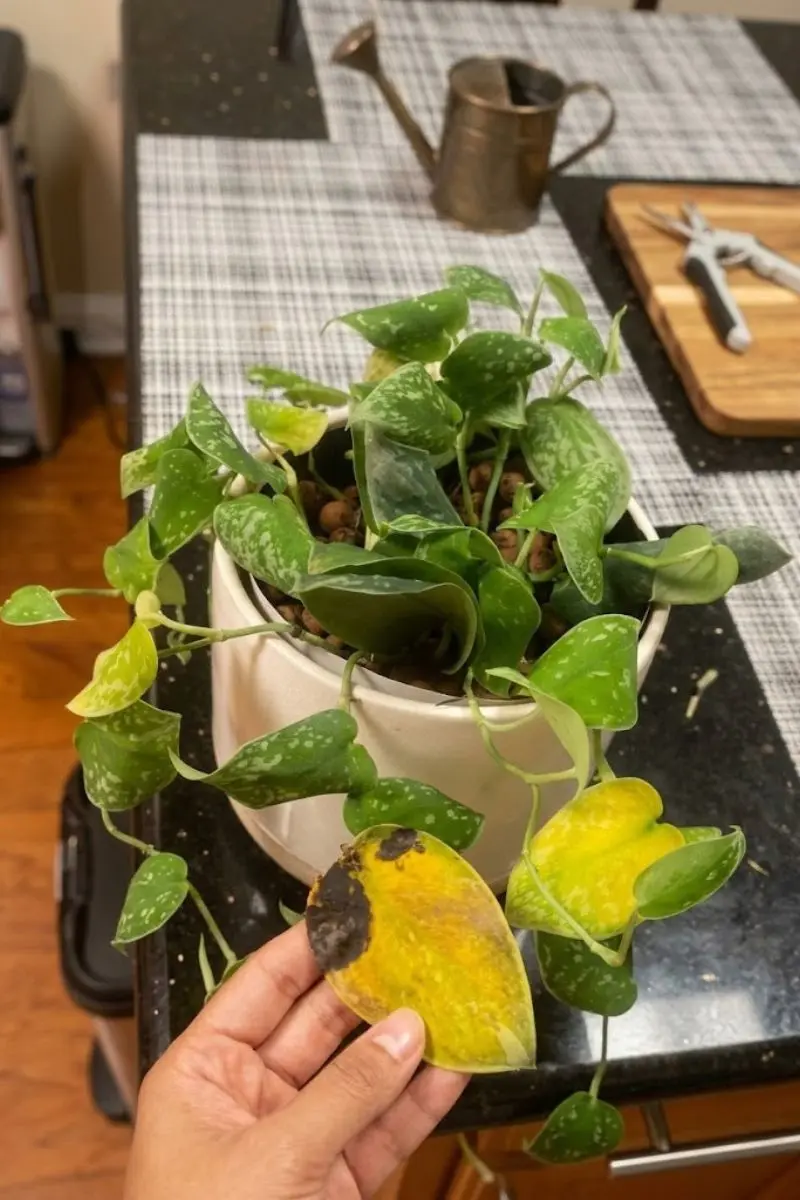
Yellowing leaves, wilting, leaf drop, and persistently wet soil can all be signs that something is wrong with your watering routine. But don’t assume a yellow or wilted plant automatically needs less water—or more.
Both overwatering and underwatering can cause yellowing or wilting. Check the soil before reaching for the watering can, and look for other clues such as consistently soggy potting mix, a musty smell, or dark, mushy roots.
If the soil stays wet for a long time, improve drainage and let the mix dry to the point your plant prefers before watering again.
7. Adjust Your Routine as Conditions Change
Your houseplants may not need the same amount of water year-round. Plants often dry out faster in warm, bright conditions and use less water when growth slows.
Indoor conditions can change with the seasons, too. Heating can make the air drier in winter, while changes in light and temperature can affect how quickly the potting mix loses moisture.
Keep checking the soil instead of relying on a fixed schedule. Let the plant’s changing conditions—not the calendar—guide your watering routine.
FAQs
Can I water my houseplants with ice cubes?
It’s better to use room-temperature water and apply enough to thoroughly moisten the potting mix. Ice cubes can melt slowly, but they aren’t necessary for giving houseplants the water they need.
Should I mist my houseplants instead of watering them?
No. Misting the leaves doesn’t replace watering the potting mix. If the soil is dry enough for that plant, water the potting mix thoroughly.
What is a self-watering planter?
A self-watering planter has a reservoir or other system that supplies moisture to the potting mix over time. These containers can be useful for some plants, but they aren’t appropriate for every houseplant, especially those that need the soil to dry between waterings.