Table of Contents
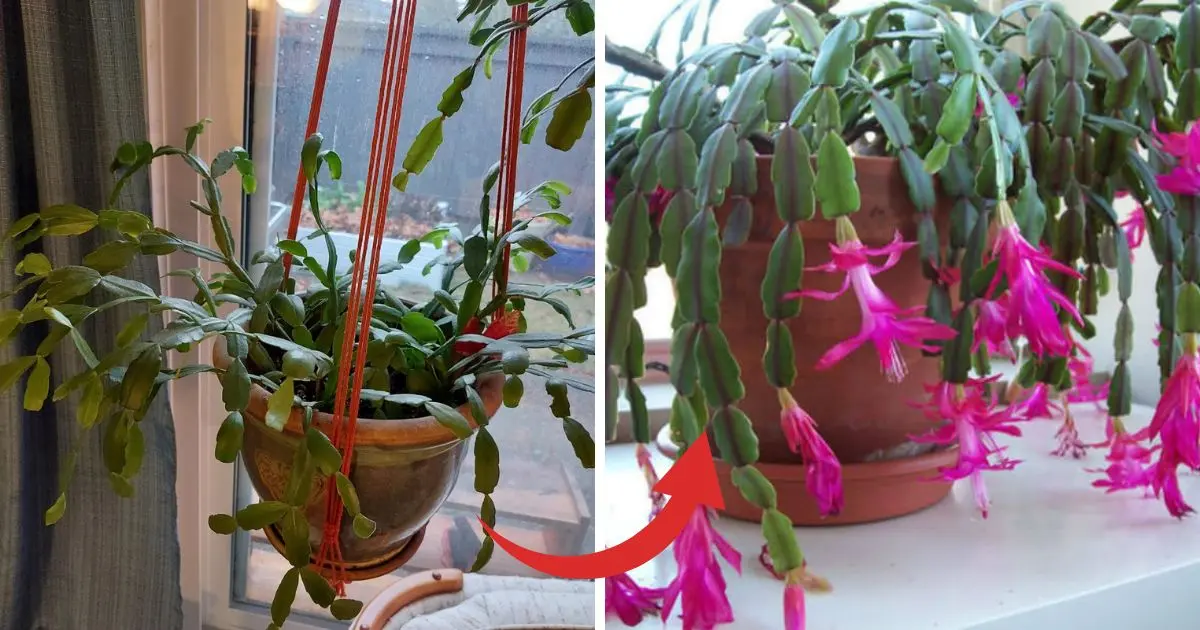
Christmas cactus is known for its colorful winter blooms, but getting it to flower reliably depends on the conditions it receives before and during its blooming season.
If your plant looks healthy but isn’t producing flowers—or its buds are dropping before they open—one of these common problems may be to blame.
1. It’s Getting Too Much or Too Little Light
Christmas cactus needs a careful balance of light to set flower buds. Too much light in fall can interfere with flowering, while too little light during the day can limit the energy the plant needs to produce blooms.
Starting in mid-October, give your plant about 12 to 14 hours of uninterrupted darkness each night for roughly eight weeks. During the day, place it in bright, indirect light for 4 to 6 hours.
If artificial light reaches the plant after dark, move it to a room that stays dark in the evening or cover it at night, then uncover it in the morning.
2. Fall Temperatures Are Too Warm or Unstable
Christmas cactus flowers better in cooler fall temperatures, but sudden or intense temperature changes can also stress the plant and interfere with flowering.
During fall, aim for daytime temperatures around 65 to 70°F and nighttime temperatures between 55 and 65°F.
Keep the plant away from heating vents, fireplaces, radiators, drafty doors, and cold windows, and never expose it to freezing temperatures.
3. You’re Watering Too Much or Too Little
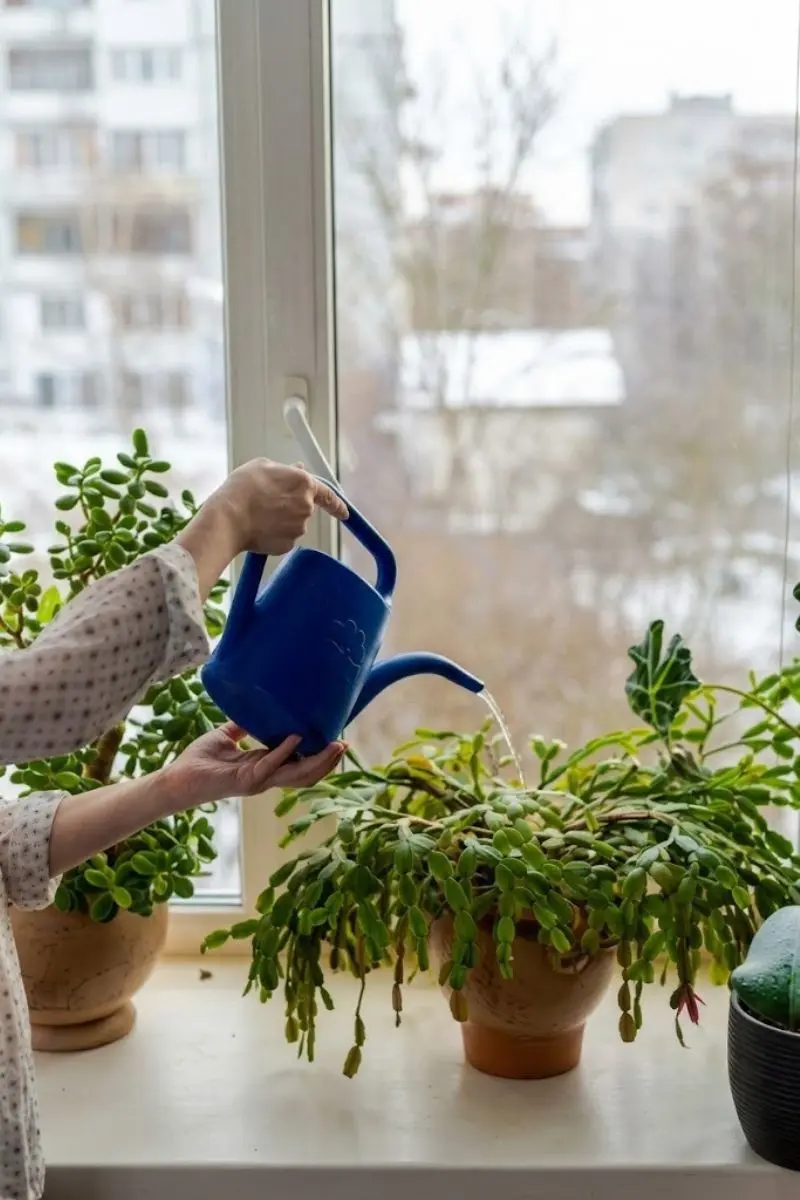
Christmas cactus needs more water than many desert succulents, but both overwatering and underwatering can interfere with flowering. Waterlogged soil can lead to root problems, while allowing the plant to dry out too much can cause stress, particularly during winter.
Its water needs also change with the seasons. From spring through fall, let the top inch of soil dry before watering, then water thoroughly without leaving the soil soggy.
During the November-to-February blooming period, the plant generally needs more frequent watering, with the soil kept consistently moist but not wet.
4. You’re Fertilizing at the Wrong Time
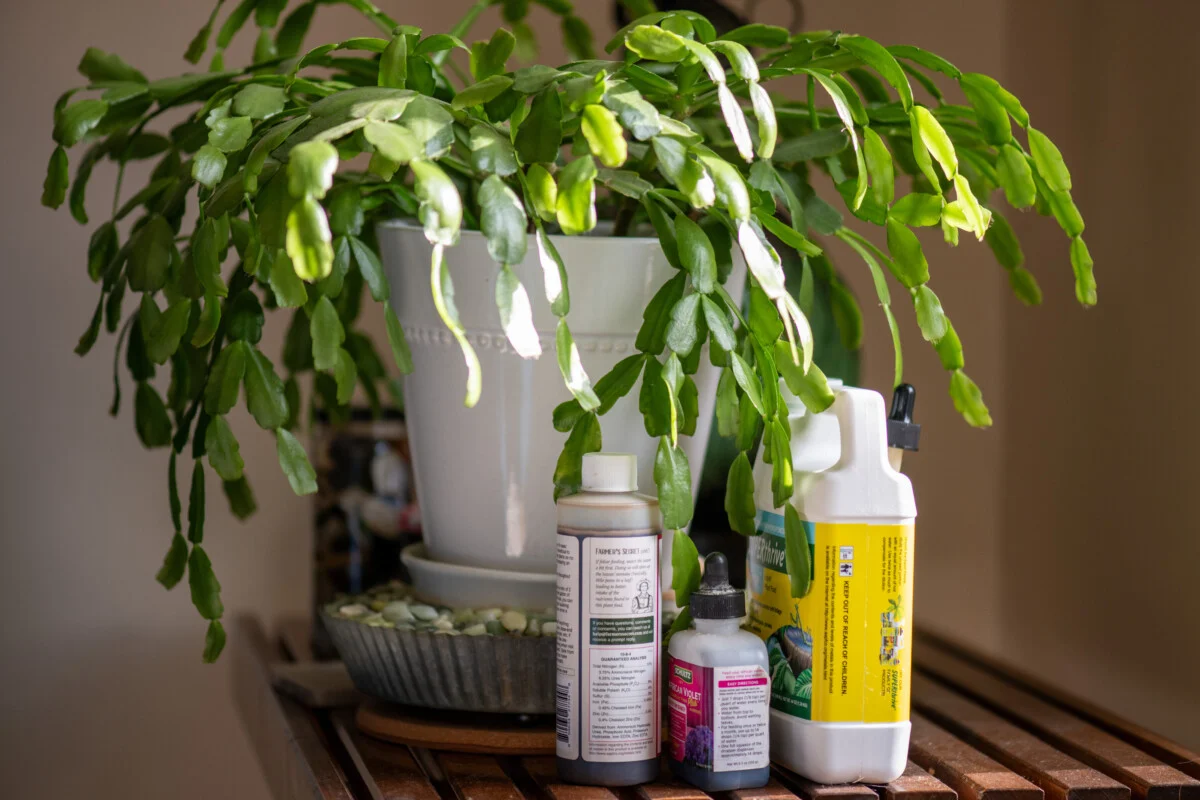
Christmas cactus benefits from regular feeding while it’s actively growing, but fertilizer applied too late in the year can interfere with flowering. Continuing to feed the plant through fall and winter can encourage new growth when it should be preparing to bloom.
Feed your plant from spring through about the end of August, then stop as fall approaches.
Use a balanced houseplant fertilizer diluted to half strength, and resume feeding when new growth appears in spring.
5. The Air Is Too Dry
Although it’s called a cactus, Christmas cactus is a tropical succulent and prefers more humidity than desert cacti. Very dry indoor air can cause flower buds to drop or keep the plant from flowering well.
Aim for about 50 to 70% humidity. If your home is especially dry, use a humidifier or place the plant in a naturally more humid, well-lit room, such as a bathroom or kitchen.
6. The Potting Mix Is Too Dense or Depleted
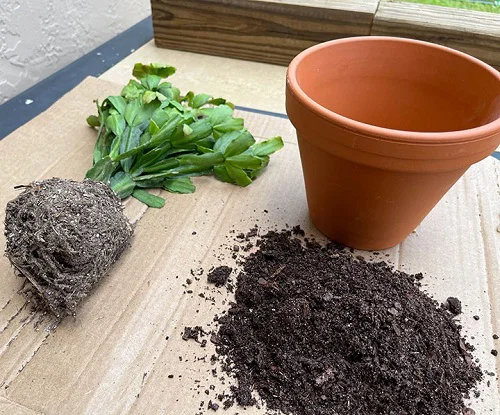
Christmas cactus needs well-draining soil that holds some moisture without becoming waterlogged. Over time, potting mix can become depleted or too dense, which can affect drainage and the plant’s overall health.
When it’s time to repot, use a high-quality potting mix with good drainage. Adding perlite and a moisture-retaining material such as coconut coir or shredded pine bark can help provide the loose, well-draining conditions Christmas cactus prefers.
Repot in spring rather than immediately before the flowering season, when transplant stress can cause buds to drop.
7. You’re Moving It After Buds Form
Once flower buds appear, changing the plant’s location can stress it and cause the buds to drop before they open. This is especially important if you’ve moved the plant to a darker location in fall to provide the long nights it needs for flowering.
Once buds have formed, leave the plant where it is as much as possible.
Wait until the flowers begin to open before moving it back to a brighter display location, and keep it away from fireplaces and heating units while the buds develop.
FAQs
What triggers a Christmas cactus to bloom?
Short winter days trigger flowering in Christmas cactus.
To encourage buds, give the plant about 12 to 14 hours of uninterrupted darkness each night for about eight weeks in fall, while still providing bright, indirect light during the day.
When should a Christmas cactus bloom?
Christmas cactus typically blooms from November through January, although the exact timing can vary depending on the plant and its growing conditions.
Individual flowers can last four to six weeks.
Why does my Christmas cactus have buds but not flowers?
If your Christmas cactus has formed buds but they aren’t opening, avoid moving the plant and check for sudden changes in temperature, light, watering, or humidity.
Keeping conditions stable while the buds develop can help prevent them from dropping before they open.