Table of Contents
Starting an indoor garden from a packet of seeds is a completely different experience than just buying a potted plant from the nursery.
It forces you to pay closer attention to soil moisture, humidity, and light right from the very beginning of the plant’s life.
While it takes longer than growing from cuttings, specific indoor plants are classified as “easy” not just for their reliable germination, but because they combine straightforward sowing requirements with a reasonable tolerance for beginner setups on a regular windowsill.
1. Coleus (Coleus scutellarioides)
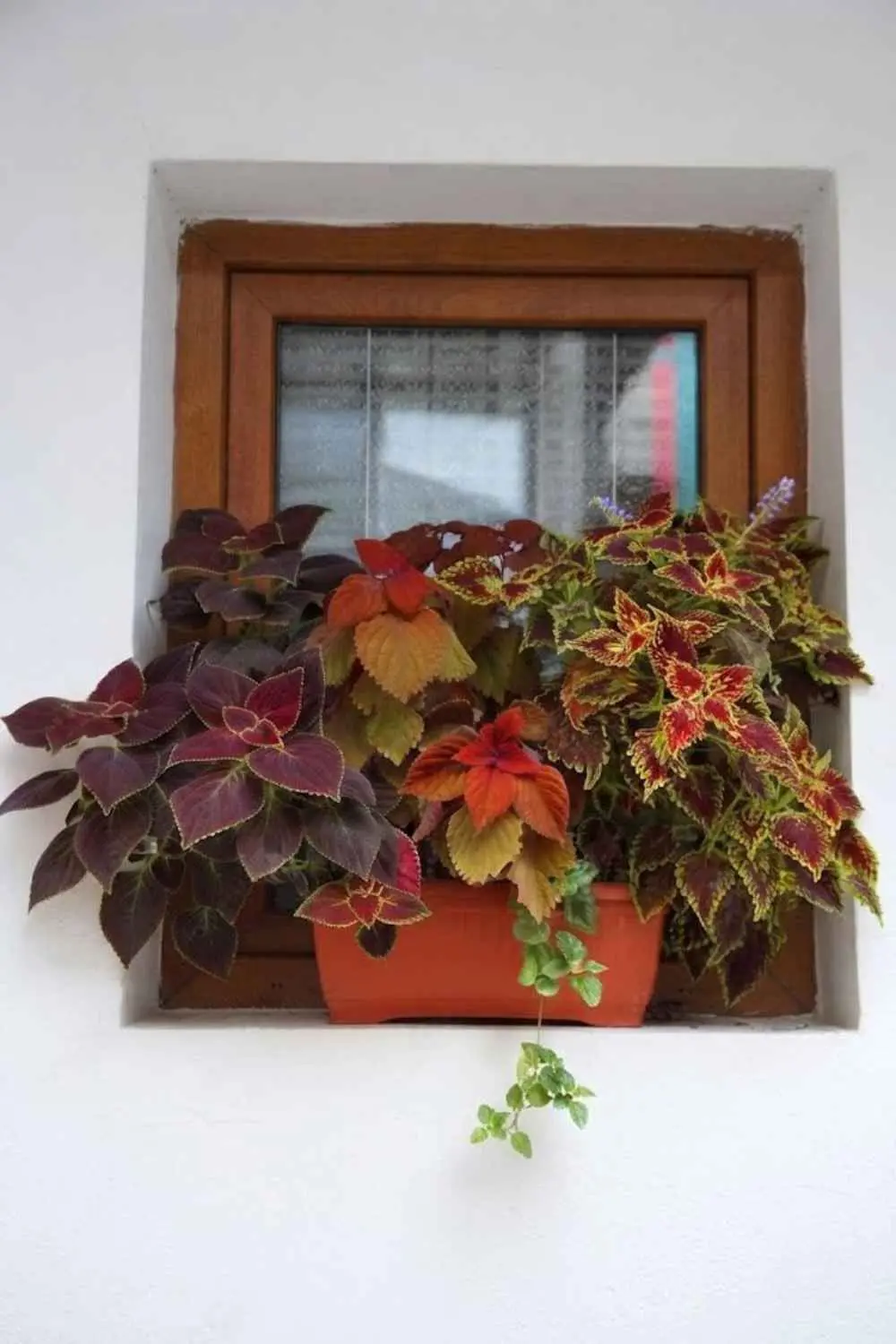
Coleus is a reliable starting point because the seeds germinate steadily under typical indoor warmth.
Sprinkle the tiny seeds directly on top of damp potting mix—they need direct light to sprout and won’t grow if you cover them with soil.
Avoid overwatering, as excessive moisture can lead to damping-off, a common fungal issue where the young stems weaken and tip over right at the soil line.
- Sowing Method: Surface sow, do not cover.
- Expected Germination: 10 to 14 days.
2. Asparagus Fern (Asparagus aethiopicus)
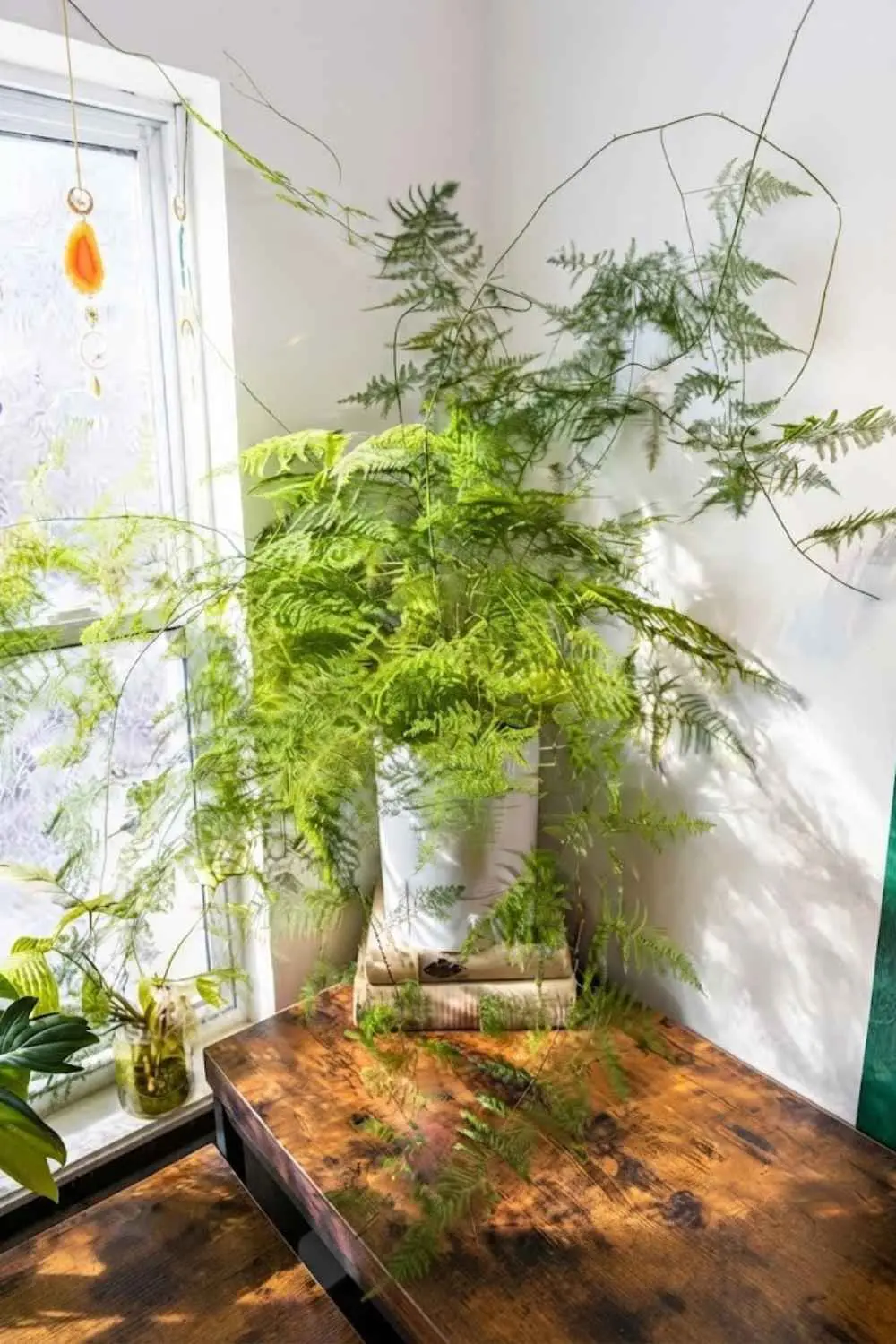
Credit: instagram @easygrowing_
Although germination is slower than many beginner-friendly houseplants, the extra patience is rewarded with an exceptionally resilient houseplant.
The hard, black seeds can benefit from a 24-hour soak in room-temperature water to soften the outer coat before planting.
Keep the soil continuously damp, and expect a slow germination period that often takes four to six weeks of patience.
- Sowing Method: Optional overnight soak before sowing; plant 1/4 inch deep.
- Expected Germination: 30 to 45 days.
3. Sensitive Plant (Mimosa pudica)
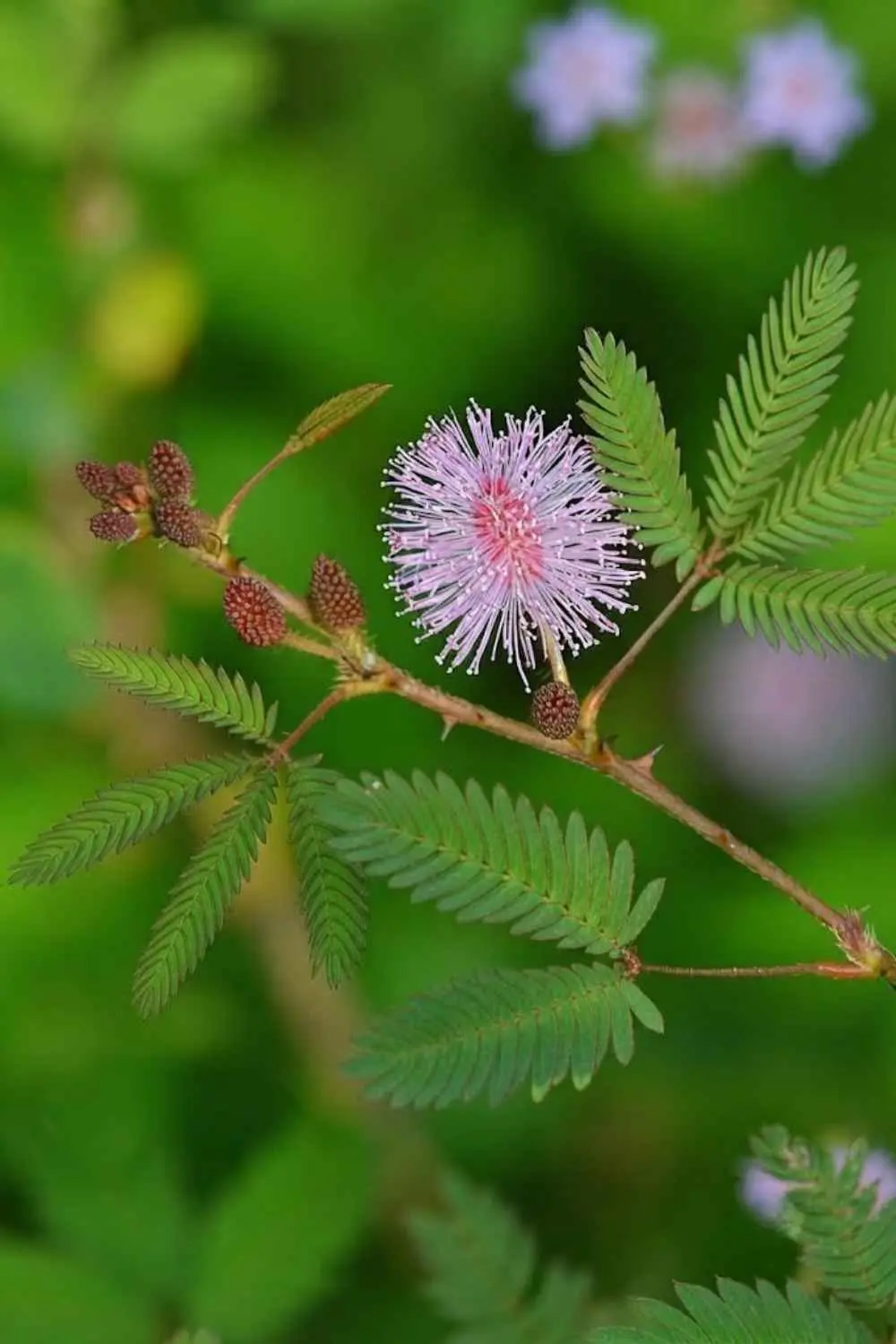
This is one of the most rewarding indoor plants to start from seed because the seedlings grow quickly and develop interactive, touch-sensitive leaves within their first month.
The flat, hard seeds can benefit from an overnight soak in warm water to help break dormancy before you plant them a quarter-inch deep.
Keep the starter potting mix warm and consistently damp to ensure steady early growth.
- Sowing Method: Optional overnight soak before sowing; plant 1/4 inch deep.
- Expected Germination: 7 to 14 days.
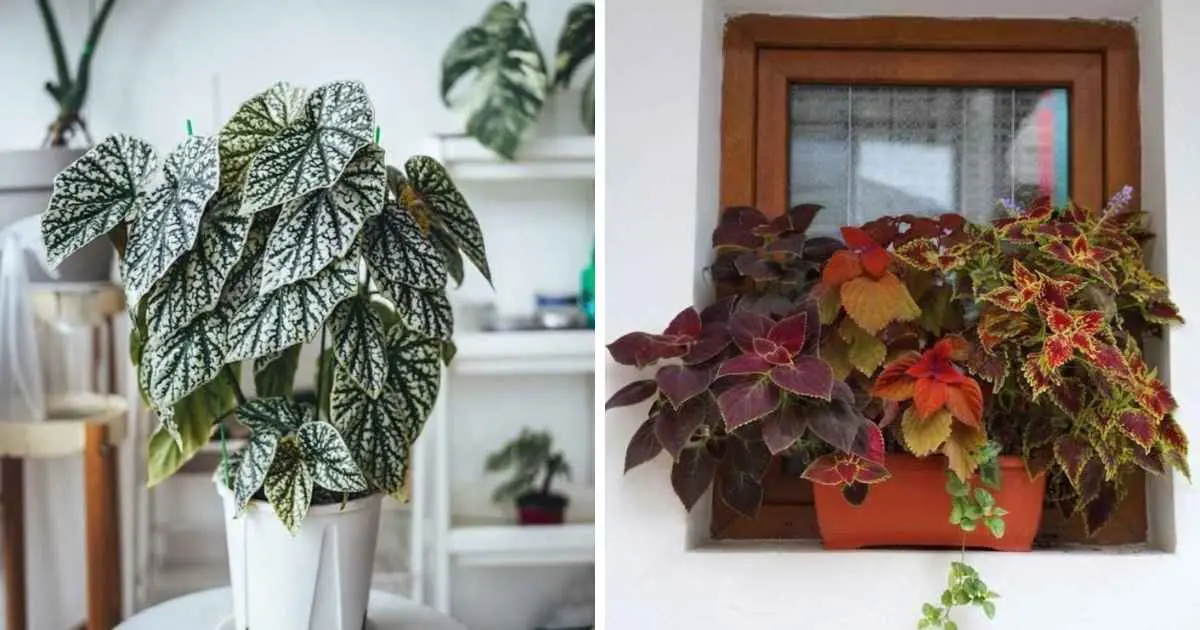
4. Begonia (Begonia spp.)
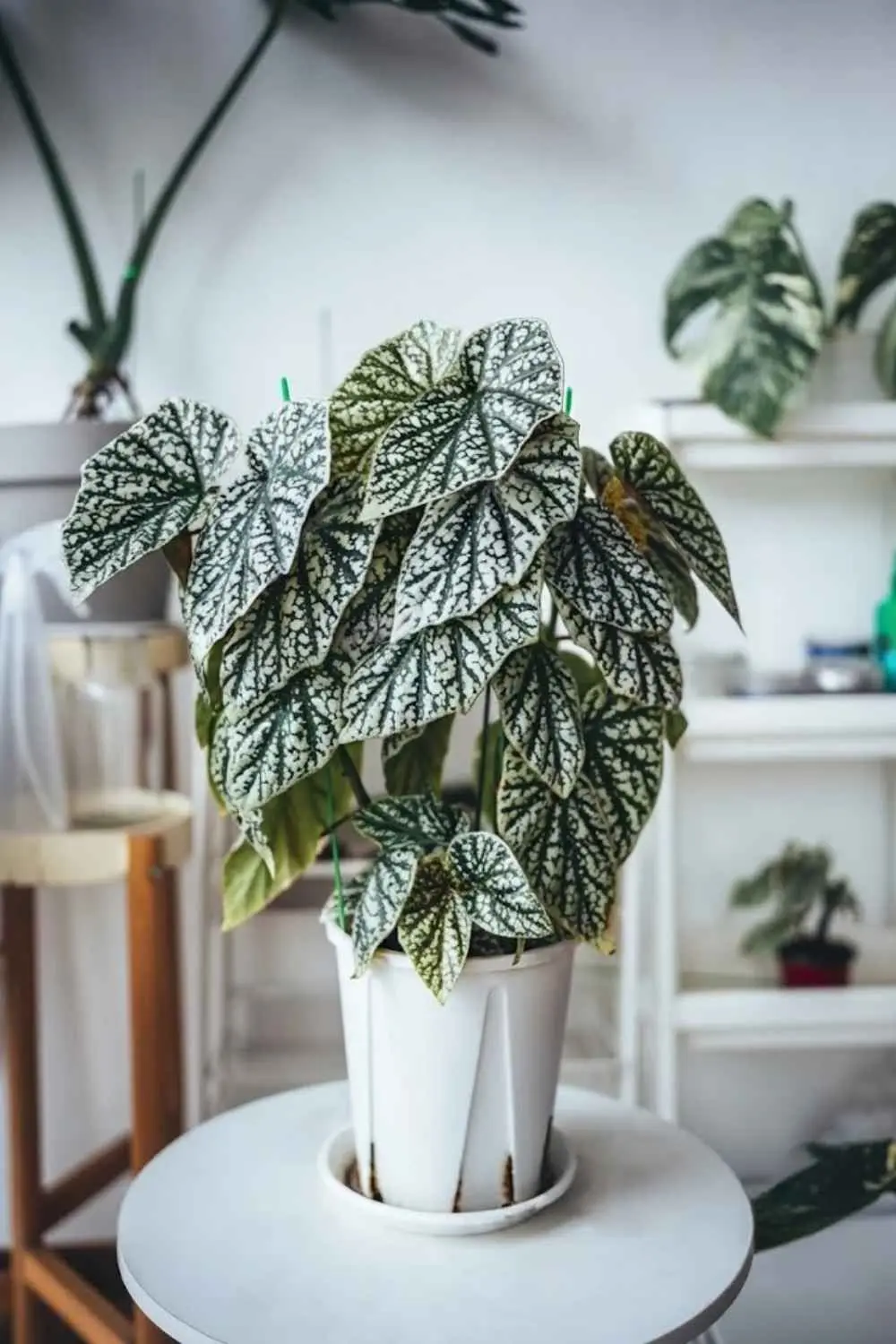
Growing begonias from seed gives you a much wider selection of unique varieties than you’ll ever find potted at the store.
Because the seeds are as fine as dust, scatter them evenly across the surface of damp soil without covering them.
While the young seedlings are slow-growing and require consistent, bright light to establish, they are highly resilient once they mature.
Avoid standard overhead watering, which can dislodge the tiny seeds; instead, use a fine misting bottle or water the tray from the bottom.
- Sowing Method: Surface sow, use a fine mist.
- Expected Germination: 15 to 25 days.
5. Polka Dot Plant (Hypoestes phyllostachya)
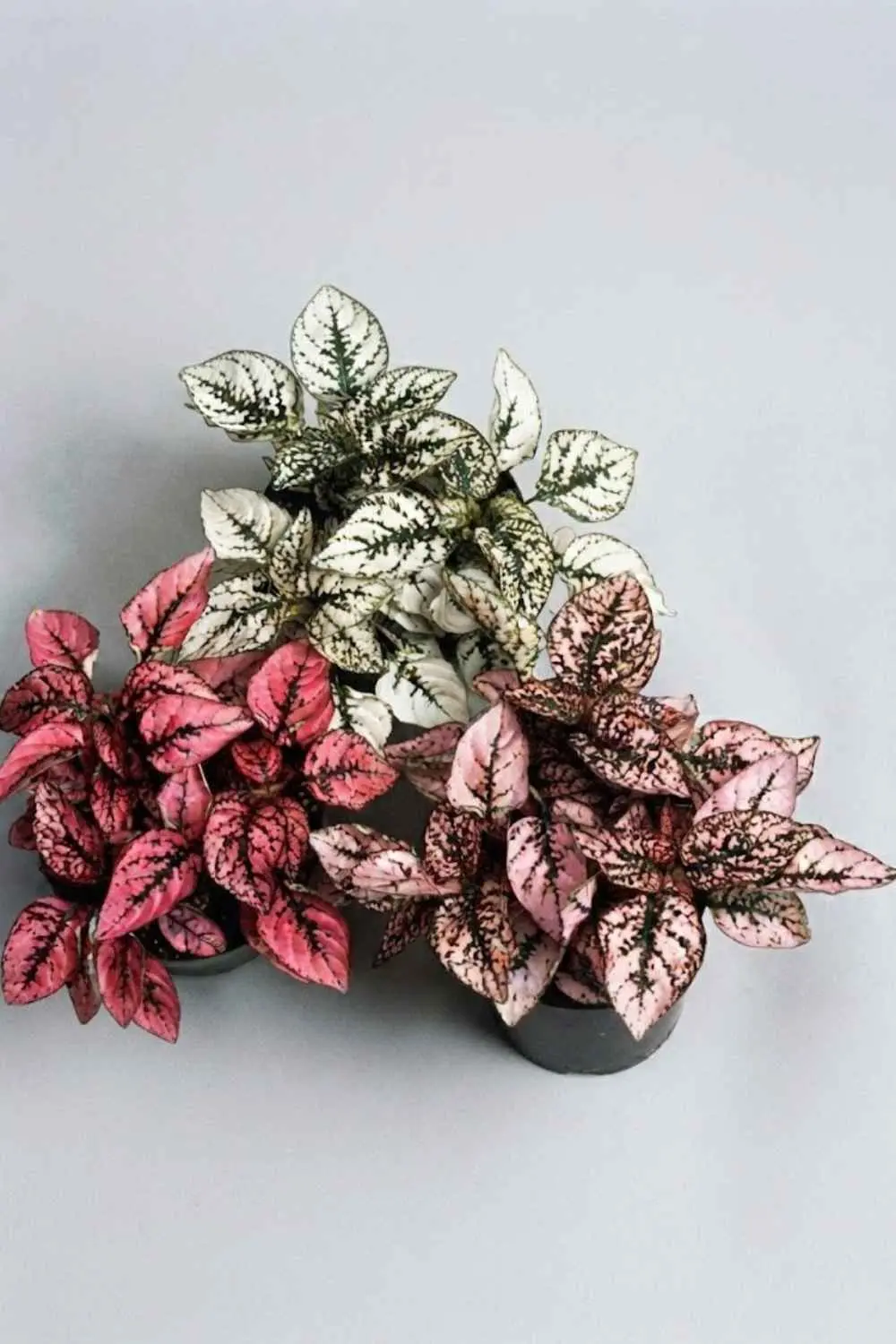
The polka dot plant sprouts quickly in a warm room, giving you compact mounds of foliage splashed with bright pink or red.
The seeds require light to trigger growth, so they must remain uncovered on the surface of the soil mix.
Provide bright, indirect light immediately after sprouting to keep the stems sturdy and compact.
- Sowing Method: Surface sow, compress lightly into soil.
- Expected Germination: 5 to 10 days.
6. Desert Rose (Adenium obesum)
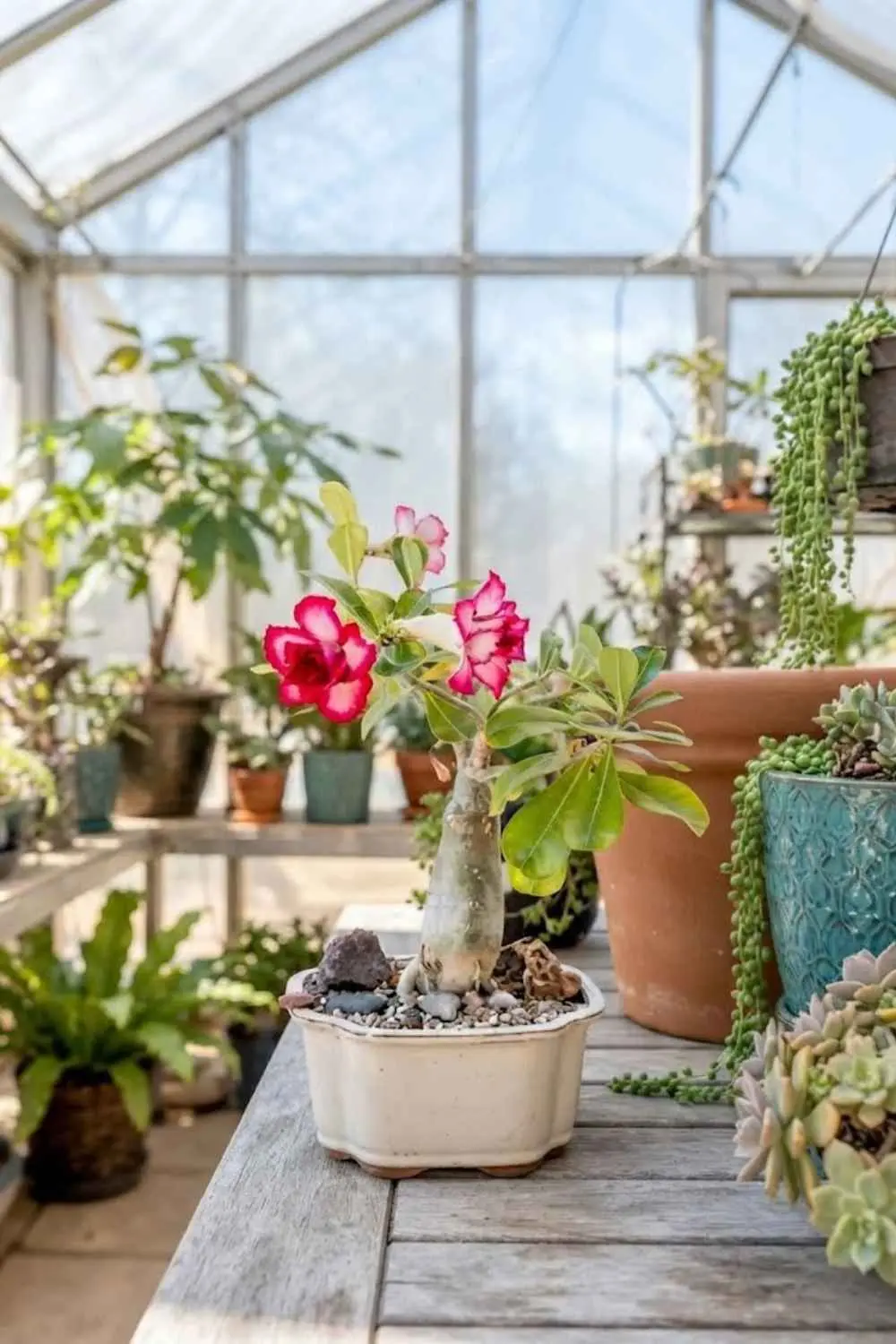
This succulent slowly develops a thick, water-storing stem that makes the mature plant naturally drought-tolerant.
One reason it’s so satisfying from seed is watching the swollen caudex begin forming within the first growing season.
Lay the cylindrical seeds horizontally on a gritty cactus mix and cover them with a thin layer of sand.
Maintain indoor warmth, as prolonged exposure to cold moisture can increase the risk of root decay.
- Sowing Method: Plant horizontally, cover with sand.
- Expected Germination: 7 to 14 days.
7. Cat Grass
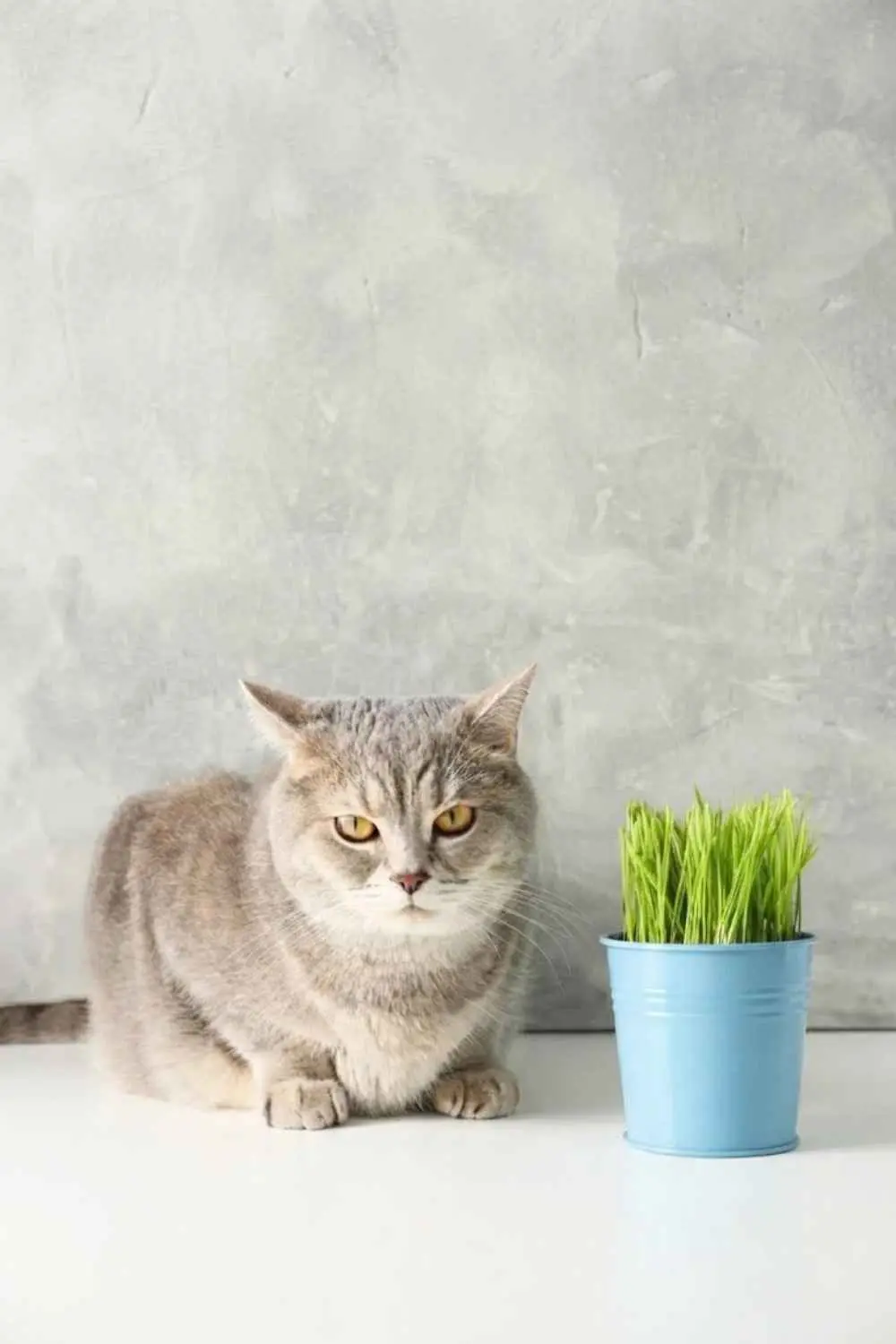
As an excellent confidence-builder for beginners, cat grass sprouts in just a few days and needs almost zero effort.
You just cover the seeds with a thin layer of soil and water them thoroughly.
While it lacks the long-term lifespan of standard tropical houseplants, the green blades grow rapidly and serve as a safe addition for households with indoor pets.
- Sowing Method: Cover with a thin layer of soil, water thoroughly.
- Expected Germination: 2 to 4 days.
Quick Seed Selector
- Fastest Results: Cat Grass (the ideal confidence-builder that sprouts within days).
- Easiest Surface Sowers: Coleus, Begonia, and Polka Dot Plant (all sprout reliably but require direct light on the soil surface).
- Can Benefit from Pre-Treatment: Asparagus Fern and Sensitive Plant (an overnight soak helps soften the seed coats).
- Most Drought-Tolerant: Desert Rose (develops a water-storing stem once established).
FAQs
Do I need a heat mat or specialized grow lights to start houseplant seeds?
A heat mat is helpful but not required if indoor temperatures stay consistently between 70°F and 75°F (21°C to 24°C).
However, indoor window light can be weak during winter; utilizing a basic LED light placed a few inches above your trays prevents seedlings from stretching and weakening.
Why did my seeds split open but stop growing entirely?
This typically happens when the soil surface dries out during the initial germination phase.
Once a seed splits its coat, the exposed embryo relies on continuous moisture; if that moisture disappears even briefly, the developing root can dry out and fail to establish.
When should I move my seedlings out of the starter tray?
Wait until the seedlings have developed at least two pairs of true leaves, which are the mature-looking leaves that appear after the initial seed leaves.
Their root systems should also be developed enough to hold the starter soil block together when lifted.
Conclusion
Starting houseplants from seed shifts the practical focus from decorating a room to participating in the actual lifecycle of the plant.
Beginning with responsive varieties like Coleus or Cat Grass lowers the technical barrier, allowing you to watch an indoor garden establish itself from the very first root.