Table of Contents
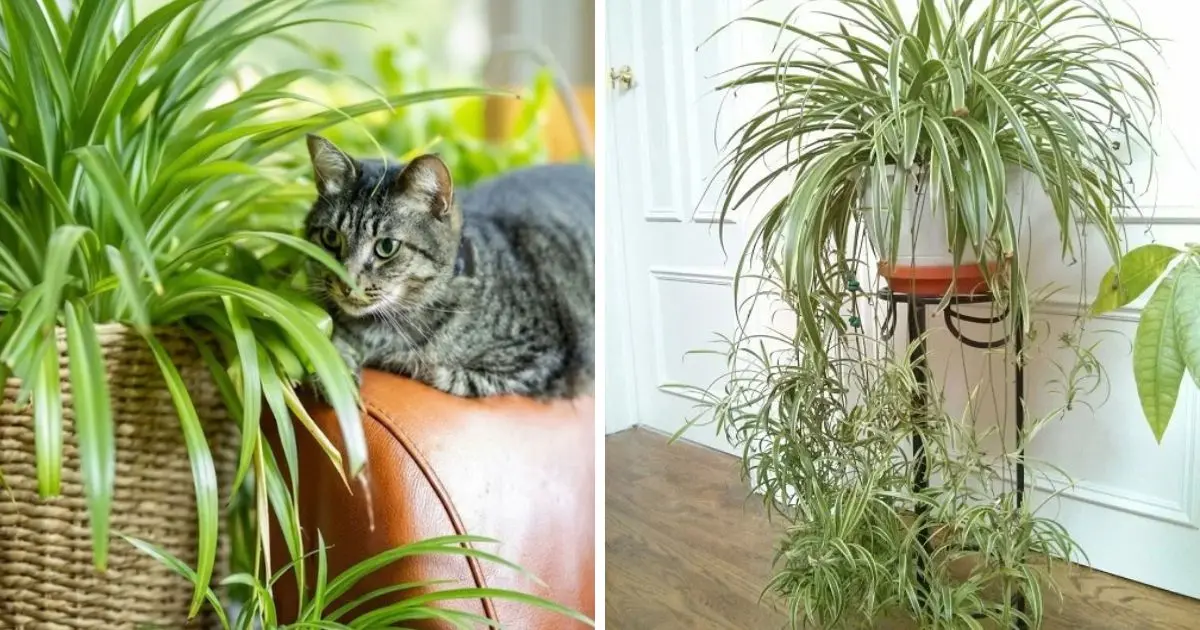
Looking for a houseplant that adds plenty of greenery without demanding a complicated care routine? Spider plant (Chlorophytum comosum) is an easygoing choice that can fit into a range of indoor spaces.
Here are 10 reasons to make room for one.
1. Easy Care Without a Fussy Routine
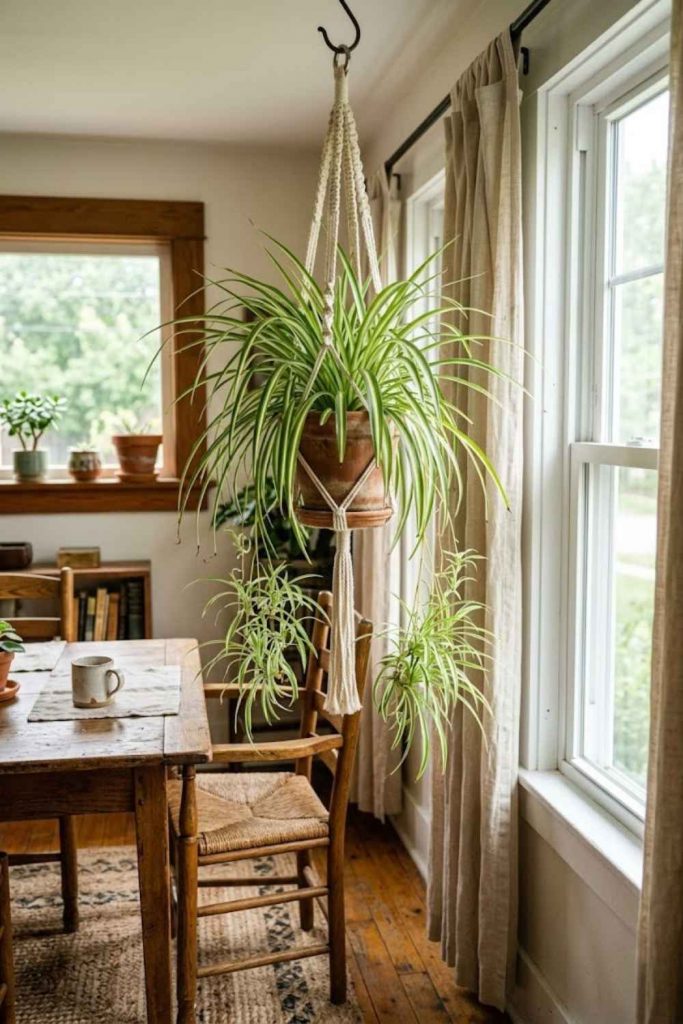
Spider plant is one of the easier houseplants to grow, adapting to a range of indoor conditions and tolerating a little neglect.
You still need to give it appropriate light and water, but it doesn’t require a complicated care routine to stay healthy and attractive.
2. Less Stress When You Miss a Watering
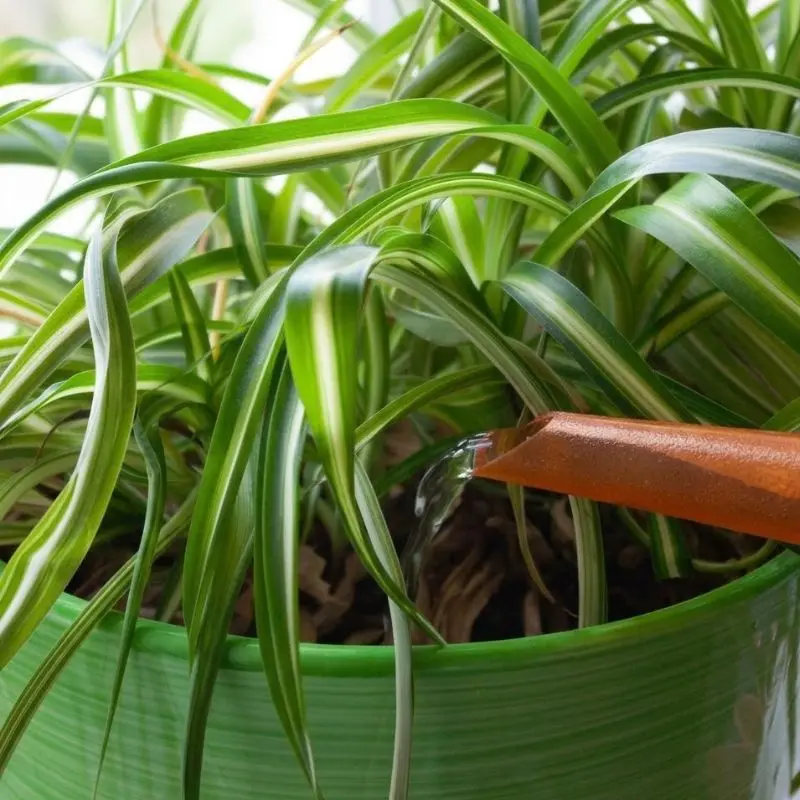
Spider plant prefers moist soil, but it can tolerate periods of dry soil. Its fleshy roots also help it cope with inconsistent watering.
That doesn’t mean you can ignore it indefinitely, but a missed watering is less likely to be a problem. Let the soil dry slightly between waterings, then water thoroughly.
3. More Flexibility With Light
Finding the right spot for a houseplant can be half the battle. Spider plant does well in medium to bright, indirect light and can tolerate lower-light conditions.
That doesn’t mean it belongs in a windowless room, though. Bright, indirect light is a reliable choice, while strong direct sun can scorch the foliage.
4. A Natural Fit for Hanging Baskets
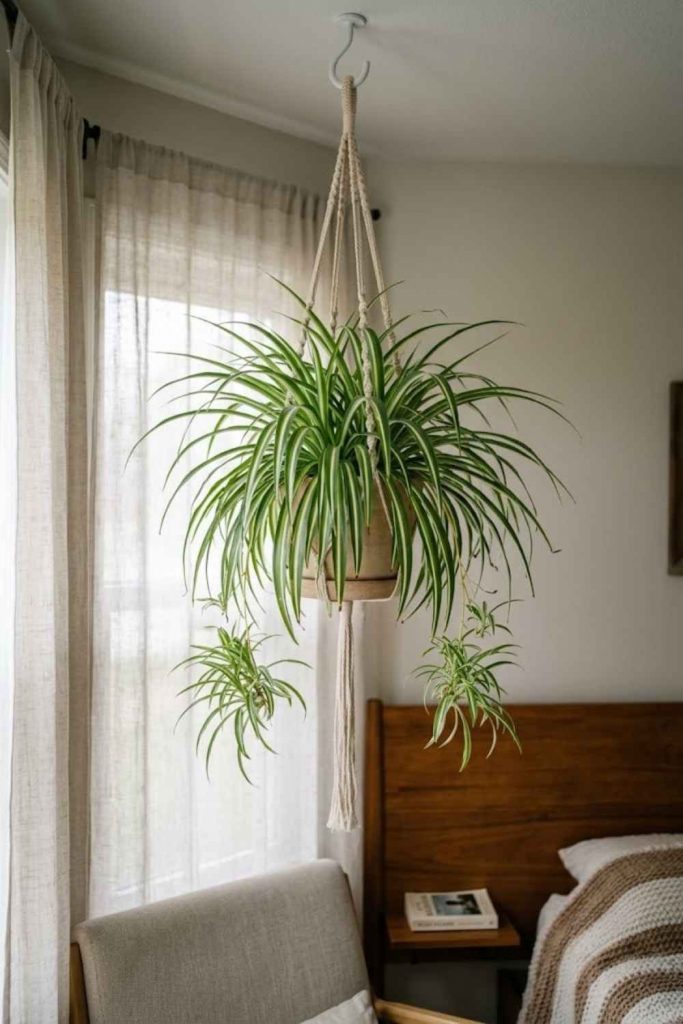
Spider plant’s long, arching leaves and trailing stems make it particularly well suited to hanging containers. As the plant matures, the foliage spills over the sides instead of taking up valuable floor or tabletop space.
Use one to add greenery to a bare corner, near a bright window, or anywhere you want a softer vertical display.
5. Quick Growth Means a Fuller Plant Sooner
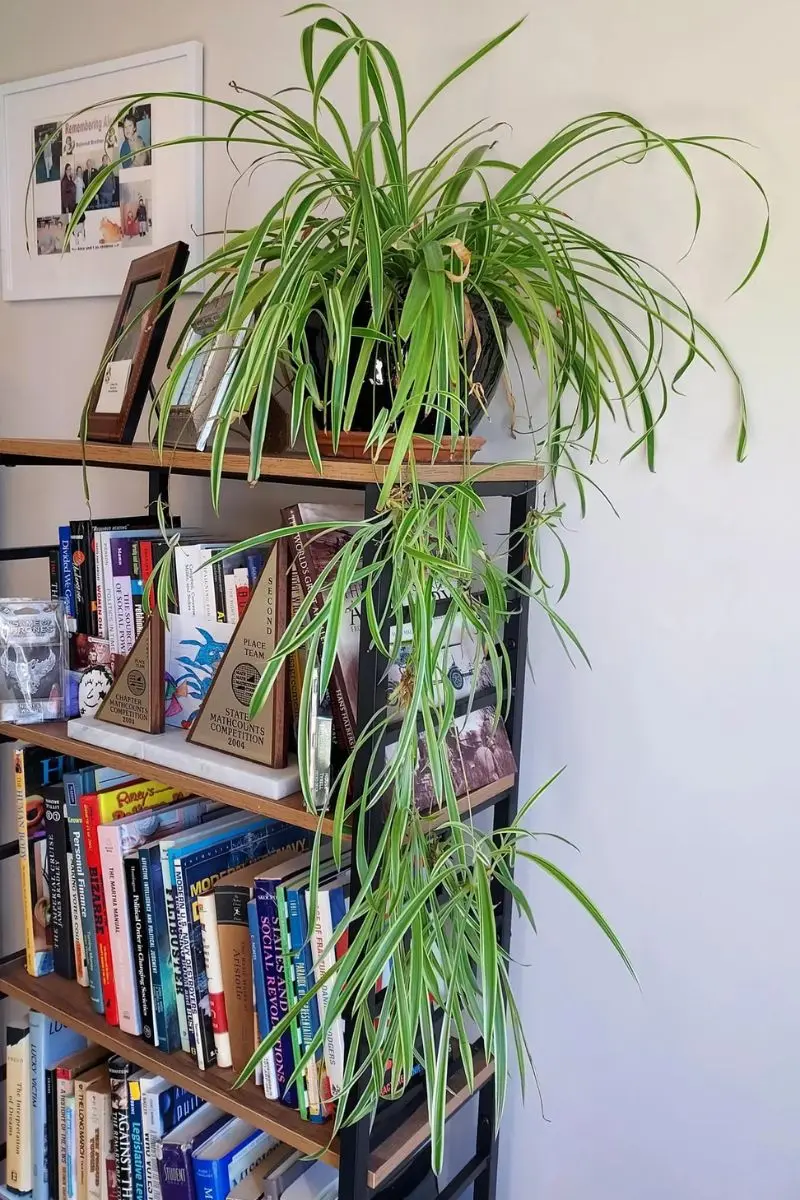
Spider plant is relatively fast-growing and can produce numerous plantlets as it matures.
That quicker growth can be useful when you want a fuller-looking plant without a long wait.
6. Variegated Leaves Add Color Without Flowers
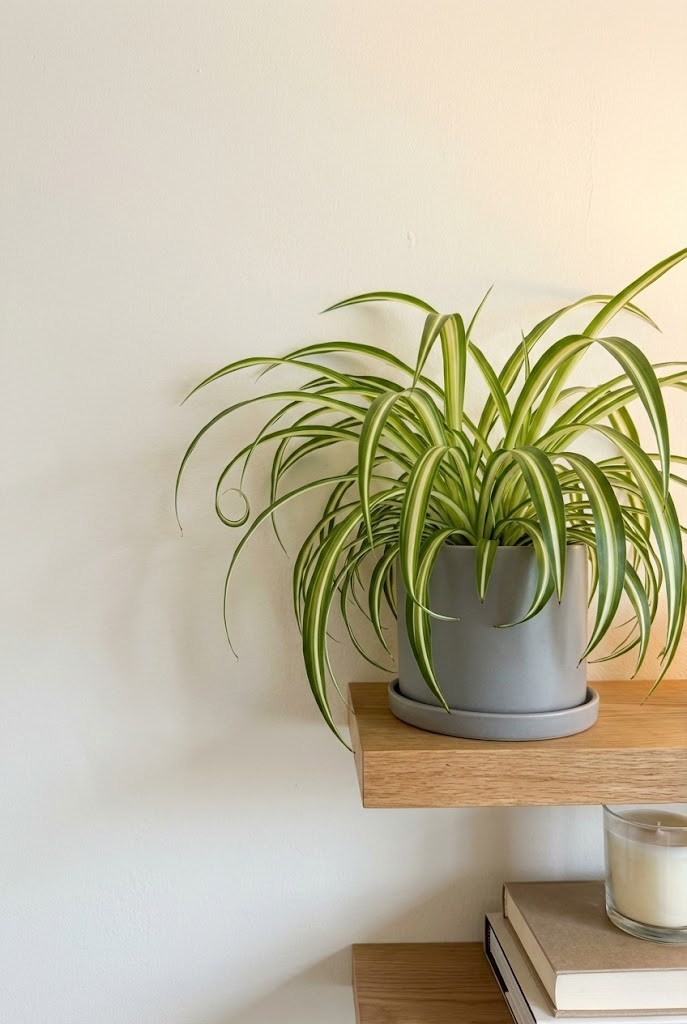
Spider plant can bring visual interest even when it’s not blooming. Popular cultivars feature different combinations of green, white, cream, and yellow on their narrow leaves.
Whether you prefer crisp white stripes or a softer variegated pattern, there’s a spider plant to suit the look of your space.
7. One Plant Can Give You Plenty of New Ones
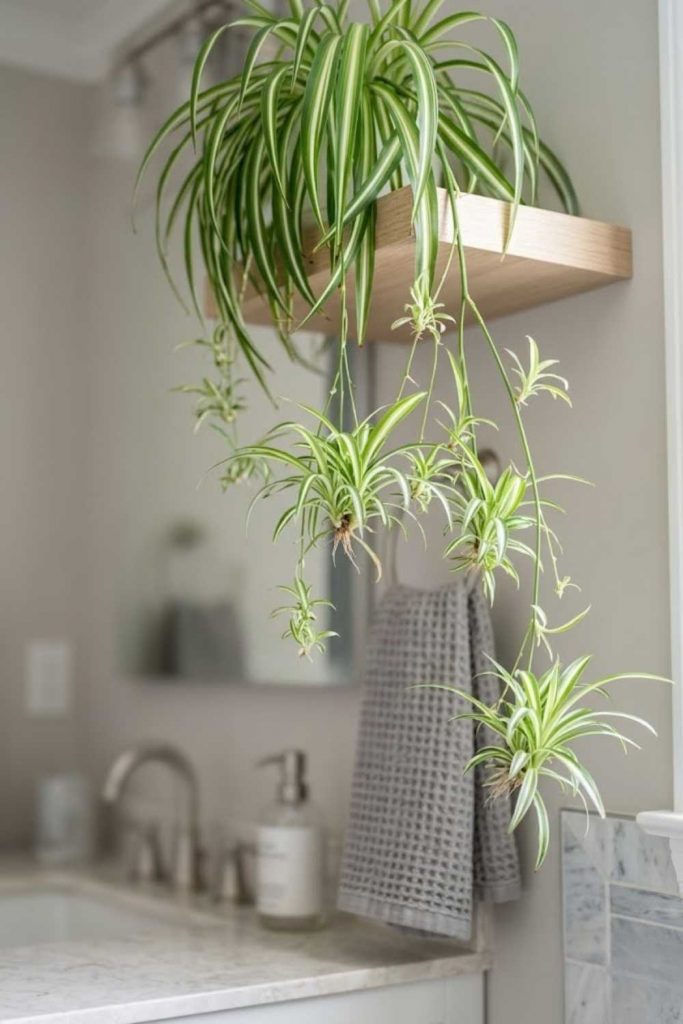
Mature spider plants produce long stems with small plantlets. These baby plants can root while still attached to the mother plant or be removed and potted once they’ve developed roots.
A healthy spider plant can eventually give you new plants to keep, trade, or share—without another trip to the garden center.
8. A Pet-Friendly Choice for Cats and Dogs
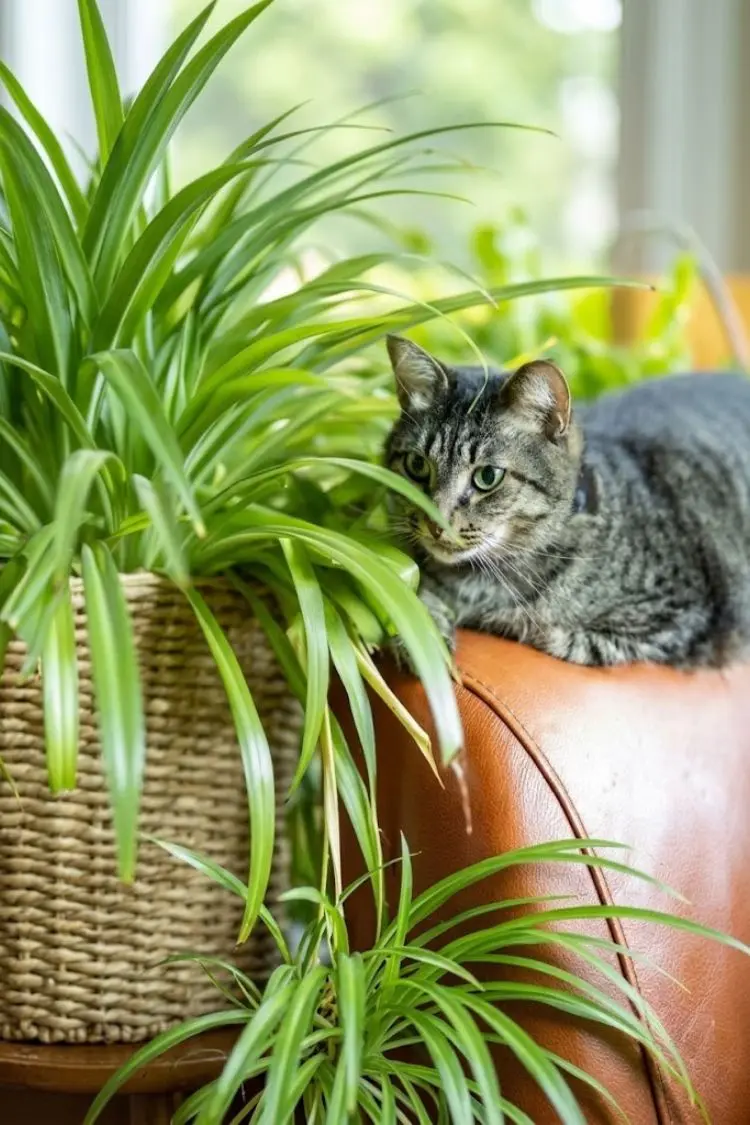
For homes with curious pets, spider plant has another practical advantage: It is considered non-toxic to cats and dogs.
No plant should be treated as a snack, but choosing a non-toxic houseplant can remove one important concern when you’re adding greenery to a pet-friendly home.
9. It May Add Some Humidity Indoors
Spider plant releases water vapor through its leaves, which can contribute to indoor humidity under certain conditions. Research on spider plants found that their evapotranspiration could influence humidity levels in an interior environment, particularly under dry conditions and bright interior light.
How much it affects a room depends on factors such as the number and size of plants, light, and the surrounding environment. One spider plant isn’t a replacement for a humidifier.
10. Its Leaves Can Collect Indoor Particles
Spider plant has been studied for its interaction with indoor air pollution. Research conducted in five different indoor rooms found that spider plants accumulated particulate matter on their leaves, including particles in multiple size ranges.
That doesn’t make a spider plant a substitute for ventilation or an air purifier. Think of particulate collection as an interesting characteristic of the foliage, not a promise to clean your home’s air.
Conclusion
Spider plant brings together several qualities that are genuinely useful in a home: easy care, flexible light requirements, attractive cascading growth, quick growth, easy propagation, and pet-friendly status. Its variegated foliage adds another layer of visual interest, while its ability to produce plantlets means one plant can eventually become several.
If you want a houseplant that looks good in a hanging basket, doesn’t demand a fussy routine, and can give you more plants along the way, a spider plant is a practical choice for your home.